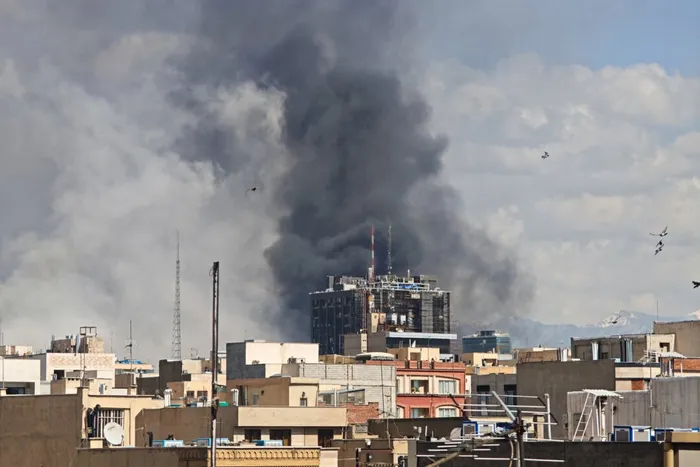
Energy security isn't a theoretical debate when your entire industrial base depends on a single pipe. For Hungary and Slovakia, the Druzhba pipeline is the only thing keeping the lights on and the cars moving. While the rest of Western Europe tries to scrub every molecule of Russian energy from its grid, Budapest is taking a different path. They aren't just staying the course. They’re actively doubling down on securing Russian crude despite the heavy political pressure from Brussels.
The situation is messy. It's high-stakes. It's exactly the kind of geopolitical friction that makes the European Union's unified front look more like a collection of desperate neighbors looking out for their own basements. If you liked this piece, you should check out: this related article.
The Druzhba Pipeline Reality Check
You can't just flip a switch and replace millions of barrels of oil. The Druzhba pipeline, which translates to "Friendship," was built during the Soviet era specifically to feed refineries in landlocked nations like Hungary, Slovakia, and the Czech Republic. These refineries are calibrated for a specific grade of Russian Urals. Switching to Brent or Middle Eastern light sweet crude isn't a simple swap. It requires massive infrastructure overhauls that take years and billions of euros.
Ukraine recently hiked the pressure by sanctioned Lukoil, one of Russia's biggest exporters. This move effectively throttled the flow of oil passing through Ukrainian territory toward the MOL Group refineries in Hungary and Slovakia. Budapest didn't blink. Instead of pivoting away, the Hungarian government reached a deal to take ownership of the oil at the Belarus-Ukraine border. For another look on this development, check out the recent coverage from BBC News.
This is a clever legal loophole. By the time the oil enters Ukraine, it's technically Hungarian property, not Russian. It makes the transit safer from a legal standpoint, but the source remains exactly the same.
Why Brussels Can't Stop the Flow
The EU's sixth sanctions package included a ban on most Russian oil imports, but it had a massive, glaring exception. Landlocked countries were given a "temporary" reprieve because their economies would literally collapse without the pipeline. Hungary, led by Viktor Orbán, has turned this temporary hall pass into a long-term strategy.
Critics call it a betrayal of European solidarity. Budapest calls it survival.
When you look at the numbers, the motivation is clear. MOL, the Hungarian energy giant, operates the Százhalombatta refinery in Hungary and the Slovnaft refinery in Bratislava. These sites are the heart of Central European industry. If those refineries go dry, gas prices at the pump in Budapest and Bratislava wouldn't just rise—they’d vanish along with the fuel itself.
The Problem With Alternative Routes
Could they get oil from elsewhere? Sure, in theory. The Adria pipeline comes up from the Croatian coast. But there's a catch. Croatia has significantly increased transit fees, a move Hungary views as opportunistic price gouging. Plus, the Adria pipeline doesn't have the capacity yet to fully replace the volume coming through Druzhba.
You’re looking at a classic bottleneck. On one side, you have a cheap, established supply from the east. On the other, you have a costly, technically difficult, and politically charged alternative from the south. For a country like Hungary, which is already battling high inflation and economic stagnation, the choice is basically a non-starter.
The High Cost of Energy Sovereignty
The political price of this oil is getting steeper. By maintaining this relationship with Moscow, Hungary is becoming an island within the EU. It's not just about the oil anymore; it's about the fundamental disagreement over how to handle Russia.
- Economic Stability: Russian crude is often sold at a discount compared to global benchmarks. This allows Hungarian and Slovakian energy prices to remain lower than their neighbors, giving their businesses a competitive edge.
- Refinery Specs: The technical cost of "de-Russifying" the refineries is estimated in the hundreds of millions. MOL has started the process, but they aren't rushing it.
- Political Leverage: Orbán uses energy as a bargaining chip in Brussels. By being the "difficult" member, he often extracts concessions on other issues like EU funding.
This isn't just about being "pro-Russia." It’s about a cold, hard calculation of national interest. If you're a factory worker in a Slovakian town, you don't care about the geopolitics of the pipeline. You care if your factory can afford the electricity bill.
What Happens When the Contract Ends
The current transit agreement between Russia and Ukraine expires at the end of 2024. While that primarily concerns natural gas, the atmosphere for oil transit is just as toxic. Ukraine has zero desire to help Russia earn "blood money," but they also need the transit fees that Hungary and Slovakia pay.
It’s a bizarre triangle. Ukraine needs the money and the support of its European neighbors. Hungary needs the oil. Russia needs the revenue.
The deal to move the "point of delivery" to the Belarus-Ukraine border is the most significant development in this saga. It shifts the risk. If Ukraine blocks the oil now, they aren't blocking Russian oil—they're blocking Hungarian oil. That puts Kyiv in a tough spot with its EU allies. It's a masterful, if cynical, piece of legal engineering.
The Impact on the Regional Market
The ripple effects are felt across the border. The Czech Republic is also tied to this system, though they've been more aggressive about seeking alternatives. Still, Central Europe remains an energy peninsula.
We’re seeing a fragmenting of the European energy market. While the North Sea and Atlantic coasts are transitioning to LNG and renewables, the center of the continent remains anchored to the old Soviet grid. This creates two different "Europes" with two different sets of economic realities.
Realities of the 2026 Energy Landscape
We're now seeing the long-term results of these decisions. The "temporary" exemption for pipeline oil has become a permanent fixture of the regional economy. There’s no sign that the Druzhba pipeline will be shut down by the users anytime soon. In fact, the infrastructure is being reinforced.
If you're tracking the energy markets, don't expect a sudden shift. The legal workarounds established by Hungary have created a blueprint for other nations that find themselves caught between geopolitical mandates and physical reality.
To understand where this goes next, keep your eyes on the transit fee negotiations between Budapest and Zagreb regarding the Adria pipeline. If those fees don't drop, the Druzhba pipeline stays the primary artery. You should also watch the technical upgrades at the Slovnaft refinery. The speed of those upgrades tells you exactly how much—or how little—Slovakia intends to actually move away from Russian crude.
The next step for anyone invested in European stability is to monitor the volume of "border-delivered" oil. If this model works for Lukoil and Hungary, expect other Russian firms to try the same trick to bypass the remaining friction points in the sanctions regime. Energy independence is a nice slogan, but in Central Europe, the pipes still run east.