The mainstream financial press is obsessed with a fairy tale. They look at the recent uptick in Russian crude flows to India and see a "resurgence" or a "strategic masterstroke" triggered by Middle Eastern instability. They see Vladimir Putin "back in the saddle."
They are wrong.
What we are witnessing is not a commercial partnership or a geopolitical triumph. It is a fire sale. India is not a loyal customer; it is the global economy’s most ruthless liquidator. If you think the Kremlin is winning because its tankers are docking in Mundra or Jamnagar, you are fundamentally misreading the balance sheet of the 21st century.
The Myth of the Rebound
The lazy consensus suggests that because Russia has reclaimed a massive share of the Indian market, it has bypassed Western sanctions. This narrative relies on the elementary mistake of equating volume with value.
In the oil business, volume is vanity. Profit is sanity.
When Rosneft or Lukoil ships a barrel to Vadinar, they aren't selling it at Brent prices. They are selling it at a massive, structural discount that has become a permanent feature of the Russian export model. I have sat in rooms where traders laugh at the "official" discount figures reported by agencies. The real cost of doing business—the "sanction tax"—is buried in inflated shipping rates, shadow-fleet insurance premiums, and the nightmare of non-convertible currency.
Russia isn't "back." It is bleeding out, one discounted barrel at a time, to an Indian refining sector that knows exactly how much leverage it holds.
The Rupee Trap
Let’s talk about the money—or the lack of it.
Most analysts ignore the plumbing. Russia is currently sitting on a mountain of Indian Rupees that it cannot spend, cannot convert, and cannot repatriate. Imagine selling your house but being paid in gift cards that only work in a store three thousand miles away that doesn’t sell anything you actually need.
That is the Russian reality.
Russia’s central bank is choking on billions of Rupees. India, quite brilliantly, has no intention of making those Rupees easy to swap for Dollars or Dirhams. New Delhi has effectively forced Russia to fund India’s own domestic infrastructure and industrial growth. When Russia "sells" oil to India, it is often just providing a zero-interest loan to the Indian economy.
To call this a "successful pivot to the East" is a joke. It’s a hostage situation where the hostage is the Russian treasury.
The Middle East Distraction
The competitor narrative claims that conflict in the Middle East "pushed" India back to Russia. This implies that India has a choice and is choosing Russia out of strategic necessity.
The truth is more cynical. India buys Russian oil because it is the cheapest energy on the planet. Period.
Indian refiners—both the state-owned giants and private players like Reliance—have reconfigured their entire operational DNA to process the specific sulfur-heavy grades coming out of the Urals. They didn't do this because they like the weather in Moscow. They did it because their margins on Russian crude are obscene compared to the thin spreads they get from Saudi or Iraqi barrels.
If the Middle East stabilized tomorrow and prices dropped, India would drop Russia the second the math stopped working. There is no loyalty in the energy transition. There is only the spread.
The Shadow Fleet Fallacy
Common wisdom says the "Shadow Fleet" is a brilliant workaround.
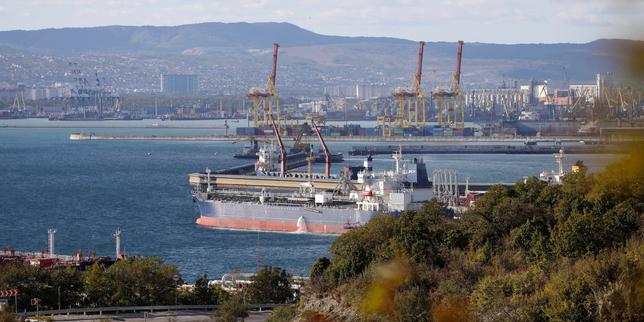
I’ve seen how these aging rust-buckets operate. They are a ticking environmental and financial time bomb. By relying on a fleet of uninsured, 20-year-old tankers with questionable ownership, Russia has significantly increased its per-barrel logistics cost.
When you ship via a Tier 1 Greek owner with standard P&I insurance, your costs are transparent and efficient. When you ship via a shell company in Dubai using a vessel that should have been scrapped in 2018, you are paying a massive "secrecy premium."
Russia’s "resurgence" in the Indian market is being subsidized by the Kremlin’s own margins. They are cannibalizing their future to fund a present that looks good only on a spreadsheet at the Ministry of Energy.
The Refined Product Laundromat
Here is the part the "geopolitical experts" hate to admit: The West knows exactly what is happening, and they are fine with it.
The G7 price cap was never designed to stop Russian oil from flowing; it was designed to stop Russia from making money on it. By that metric, the policy is a staggering success. The oil stays on the global market, which prevents a global price spike (keeping inflation in check in Washington and Brussels), but the profit stays in Mumbai.
India takes the discounted Russian crude, refines it into diesel and jet fuel, and sells it back to Europe at a premium.
- Step 1: Russia loses the profit.
- Step 2: India takes the middleman cut.
- Step 3: Europe gets its fuel.
Russia is the only loser in this triangle. They are the grunt workers of the global energy market, doing the dirty work of extraction and transport while India and the West split the financial upside.
The Hard Truth About Indian Sovereignty
People ask: "Is India's reliance on Russian oil a risk to its ties with the US?"
The premise of the question is flawed. India isn't "relying" on Russia. Russia is relying on India.
If India stopped buying today, the Russian economy would collapse within months. If Russia stopped selling, India would simply pivot back to the Gulf, pay a bit more, and pass the cost to consumers or adjust its fiscal policy. India is the superpower in this relationship. It is exercising a brand of cold-blooded realism that makes the Cold War look like a schoolyard spat.
Stop Reading the Headlines
If you see a headline saying Russia is "winning" the energy war in Asia, ignore it.
Russia is a distressed asset. India is the private equity firm buying it for cents on the dollar, stripping the value, and leaving the seller with a pile of useless paper currency.
The "War in the Middle East" didn't put Russia back in the saddle. It just gave the liquidators a better excuse to tighten the screws.
Don't confuse a desperate fire sale with a strategic recovery. Russia is selling its soul to India, and India is buying it at a 30 percent discount, paid in a currency Russia can’t use.
That isn't a victory. It’s an eviction.