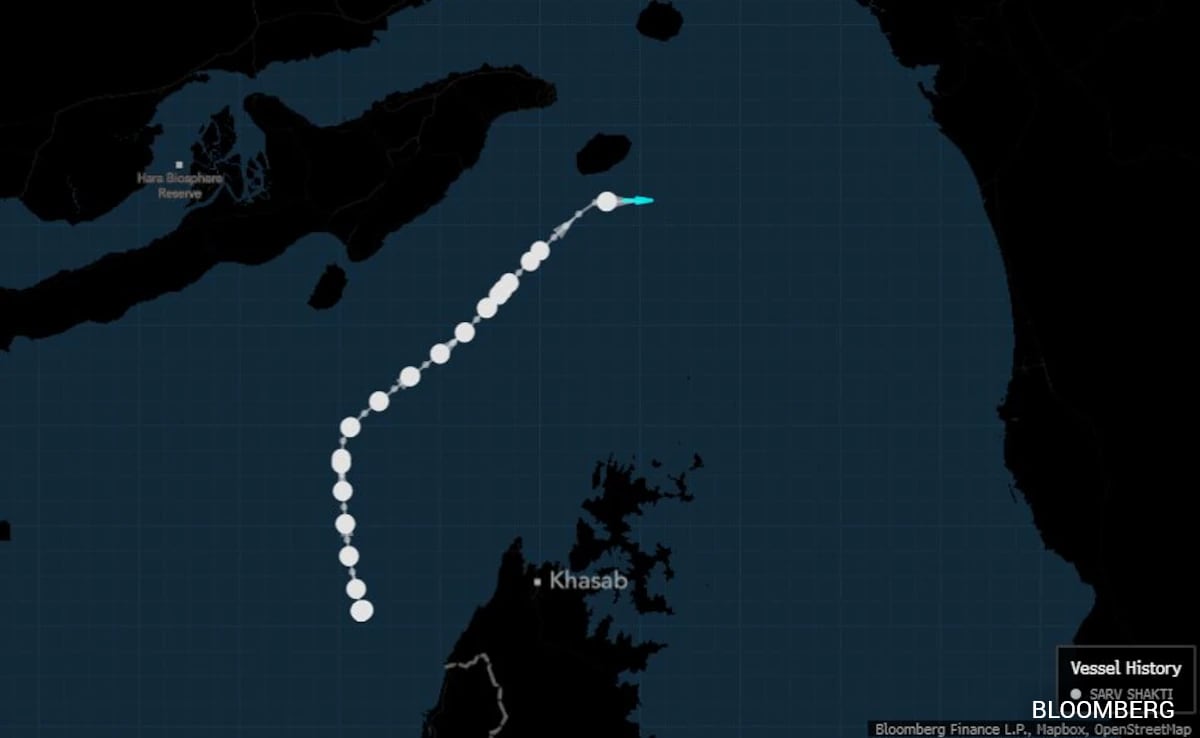
The maritime world just held its collective breath as the Sarv Shakti, a massive LPG tanker, slipped through the Strait of Hormuz. On the surface, it’s just one ship. In reality, it’s a high-stakes middle finger to the most aggressive naval blockade we’ve seen in decades. While the U.S. and Iran have basically turned the world's most important energy chokepoint into a no-go zone, India just proved that national interest usually beats geopolitical posturing.
If you’ve tried to order food or pay your gas bill in Delhi or Mumbai lately, you know why this matters. India is the world’s second-largest consumer of LPG. We aren't talking about abstract "energy security" here; we’re talking about whether millions of households can actually cook dinner. With the U.S. blockade choking off Iranian exports since April 13 and ship-tracking data showing traffic through the Strait has tanked to a measly 5% of its usual volume, the Sarv Shakti’s successful transit is a massive relief.
The gutsy move of the Sarv Shakti
This wasn't a standard commercial run. The Marshall Islands-flagged vessel, carrying 45,000 tonnes of LPG for Indian Oil Corporation (IOC), didn't just stumble through. It broadcasted "India/Indian crew" on its AIS (Automatic Identification System) like a neon sign. In a region where ships are getting struck by drones and sea mines, that broadcast is the maritime equivalent of holding up a diplomatic passport in a riot.
The ship didn't take the middle channel. It hugged the Iranian coastline, passing right by Larak and Qeshm islands. This tells us two things. First, New Delhi has clearly been on the phone with Tehran to ensure safe passage. Second, the "blockade" isn't as airtight as the Pentagon might want you to believe. If you have the right flag and the right crew, there's still a way through the fire.
Why India couldn't wait any longer
Let’s look at the numbers because they're brutal. India imports about 90% of its LPG through this specific waterway. Since the "Hormuz Shock" started in February, our domestic supply has been in a death spiral.
- Pre-war consumption: 80,000 tonnes daily.
- Current domestic production: Scaled up to 54,000 tonnes (a 60% jump, but still not enough).
- The gap: 26,000 tonnes missing every single day.
That’s why the Sarv Shakti is such a big win. That single cargo covers about half a day of national consumption. It sounds small, but when people are standing in miles-long queues for cooking cylinders, every tonne is gold. The ship is expected to hit Visakhapatnam by May 13. Honestly, the port authorities will probably treat it like a returning war hero.
The U.S. blockade and the OFAC warning
There’s a reason other ships aren't following suit yet. The U.S. Treasury’s Office of Foreign Assets Control (OFAC) basically dropped a hammer on May 1. They warned every shipping company on the planet: if you pay Iran "transit fees" or seek "assurances" for safe passage, you’re getting sanctioned. Period.
It’s a classic catch-22. If you don't talk to Iran, your ship might get hit by an IRGC drone boat. If you do talk to them, the U.S. might freeze your bank accounts. India is walking a razor-thin wire here. By using a vessel with an Indian crew and broadcasting their identity, they’re betting that the U.S. won't dare sanction its most important strategic partner in Asia over a boatload of cooking gas.
What this means for your gas bill
Don't expect prices to drop tomorrow. Even with the Sarv Shakti breaking the drought, the "Geopolitical Risk Premium" is baked into every liter of fuel right now. Brent crude is still hovering in that uncomfortable $120+ range, and insurance rates for the Strait have gone up six times over.
But this transit creates a blueprint. If India can successfully move eight LPG vessels—which they've reportedly done through quiet bilateral deals—it proves that "energy realism" is the new world order. Countries aren't going to let their economies collapse just to satisfy a blockade that isn't even legally binding under international law.
The immediate next steps for India
If you're watching the energy markets, keep an eye on these three moves from New Delhi over the next two weeks:
- More AIS-identified transits: Watch for more tankers broadcasting "Indian Crew" to test if the U.S. actually intercepts a non-Iranian ship.
- Visakhapatnam and Mangalore turnarounds: Port priority is now 100% focused on LPG. Any vessel carrying gas will skip the line, bumping crude and dry bulk.
- The "Bridge to Russia" expansion: Since the Strait is a mess, expect a massive push to increase imports via the International North-South Transport Corridor (INSTC) to bypass the water entirely where possible.
The Sarv Shakti isn't just a ship; it’s a test case. It proves that despite the carrier groups and the drone swarms, physical goods still have to move. If you’re waiting for your next LPG cylinder, this is the first sign of life the supply chain has shown in weeks.
Monitor the arrivals at Visakhapatnam. If the Sarv Shakti docks without a hitch on May 13, expect a convoy of followers to try the same route. The blockade just got its first real crack.