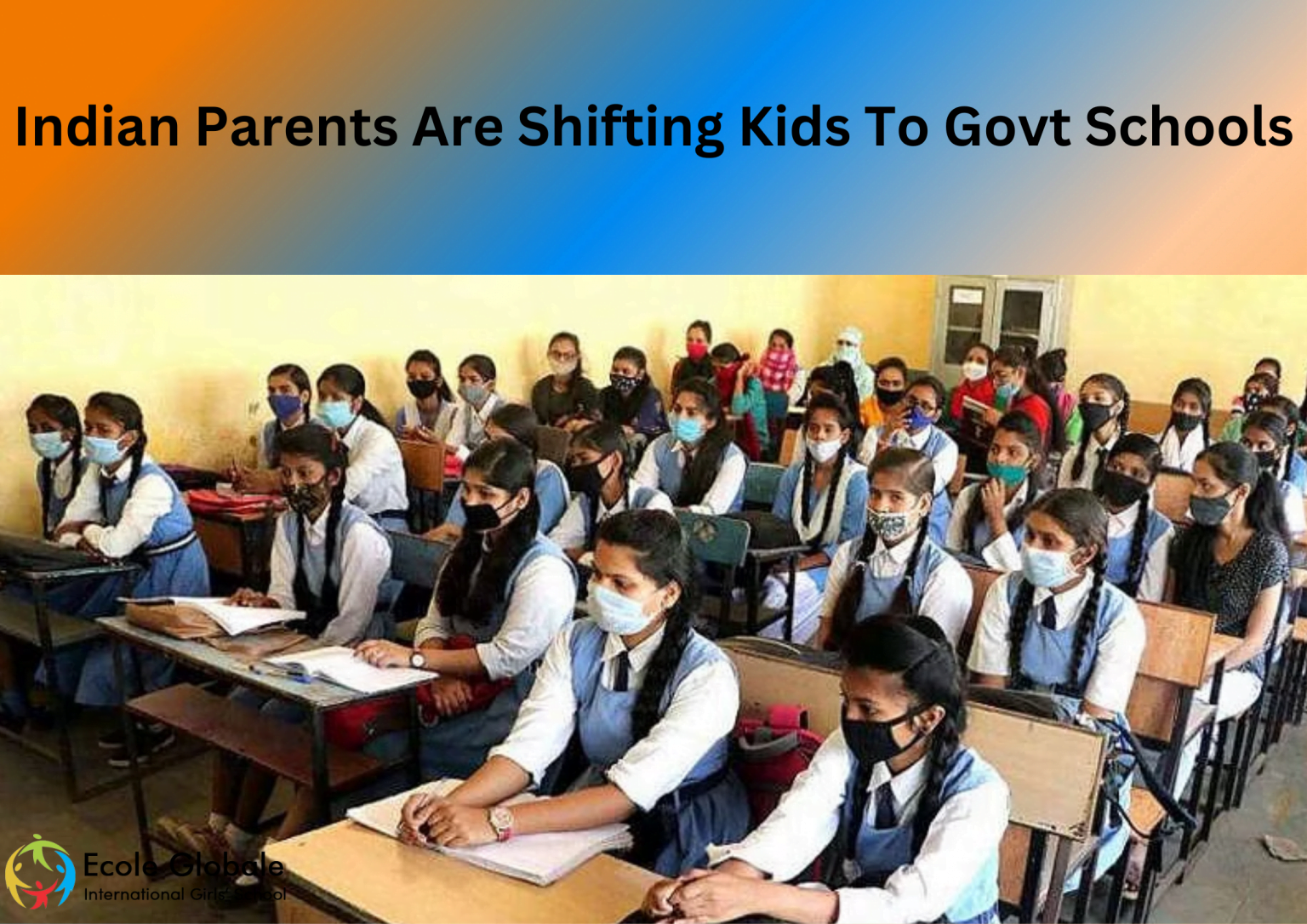
Indian parents aren't just worried about their kids' screen time anymore. They're ready to hit the kill switch. A massive new global survey from the UK-based Varkey Foundation has revealed a startling trend: 75% of Indian parents want a total social media ban for anyone under the age of 16. That puts India right at the front of the pack, second only to Malaysia, in a worldwide push to reclaim childhood from the clutches of infinite scrolls and predatory algorithms.
This isn't just about "stranger danger" or avoiding the odd mean comment. It's a fundamental shift in how families view the digital world. For years, social media was treated like a playground that just needed better supervision. Now, it's increasingly seen as a toxic environment that shouldn't be accessible to children at all.
The numbers behind the movement
The "Family First" analysis didn't just talk to a few dozen people. They interviewed over 18,000 people across 15 countries, including parents, children, and even grandparents. While countries like the US (51%) and the UK (40%) are still debating the logistics, Indian households are showing a level of consensus that's rare in the digital age.
What’s even more surprising is the support from Gen Z. You’d think the "digital natives" would fight tooth and nail for their apps. Instead, 73% of Gen Z respondents in India back the ban. They’re the first generation to grow up entirely online, and they’re essentially saying, "We wish we hadn't." They've seen the impact on their own mental health and focus, and they don't want the next generation following the same path.
Why India is bucking the global trend
In many Western countries, there’s a massive gap between what parents want and what kids want. In Australia, the gap is 34 points. In Sweden, it's 33. But in India, the divide is much smaller. Indian kids—62% of them—actually agree with their parents that under-16s shouldn't be on these platforms.
This alignment suggests that the harms of social media aren't just a parental "moral panic." They are lived experiences for the kids themselves. We’re talking about:
- Compulsive scrolling: The feeling of being unable to stop even when you're bored or tired.
- Constant comparison: The mental toll of weighing your real life against someone else's highlight reel.
- Sleep disruption: The blue light and the notification pings that eat into the 9 hours of rest a teenager actually needs.
- Erosion of real-world skills: The struggle to hold a face-to-face conversation or focus on a book for more than ten minutes.
The Indian Economic Survey 2025-26 recently flagged digital addiction as a serious public health concern. It wasn't just a footnote. It linked excessive social media use directly to worsening mental health for the 15-24 age bracket. When the government starts treating TikTok and Instagram like a health crisis, you know the vibe has changed.
The Australian blueprint and the UK's next steps
Australia already took the plunge, becoming the first country to legally ban social media for under-16s. Now, the UK is watching closely. The British government is currently running a three-month consultation to see if they should follow suit. They’re even testing "digital curfews" and time limits in 300 homes to see if these restrictions actually help or just make kids better at hiding their phones.
The UK's Online Safety Act is already in play, forcing tech giants to scrub illegal content. But a ban is a different beast. It moves the responsibility from "monitoring" to "prohibiting." For Indian parents, this is the only logical step left. They've tried parental controls. They've tried "talking about it." None of it works when the apps are literally designed by the world's smartest engineers to be as addictive as possible.
Beyond the ban: What happens next?
A legal ban sounds great on paper, but enforcement is a nightmare. Tech companies aren't exactly famous for their rigorous age verification. Most "age gates" are just a button that says, "Yes, I am 13."
If you're a parent waiting for the law to catch up, don't hold your breath. You can start making moves today.
- Model the behavior: If you’re scrolling through Reels at the dinner table, a ban for your 14-year-old will never stick.
- The "Wait Until 16" pact: Talk to other parents in your kid's friend group. Peer pressure is the biggest reason kids want social media. If the whole group doesn't have it, the "FOMO" disappears.
- Focus on "active" vs "passive": Using the internet to learn a skill or create something is fine. Passively consuming 30-second clips for three hours is where the damage happens.
The data is clear. The support is there. We're moving toward a world where "kids on social media" might eventually look as weird to us as "kids smoking in a restaurant" looks today.