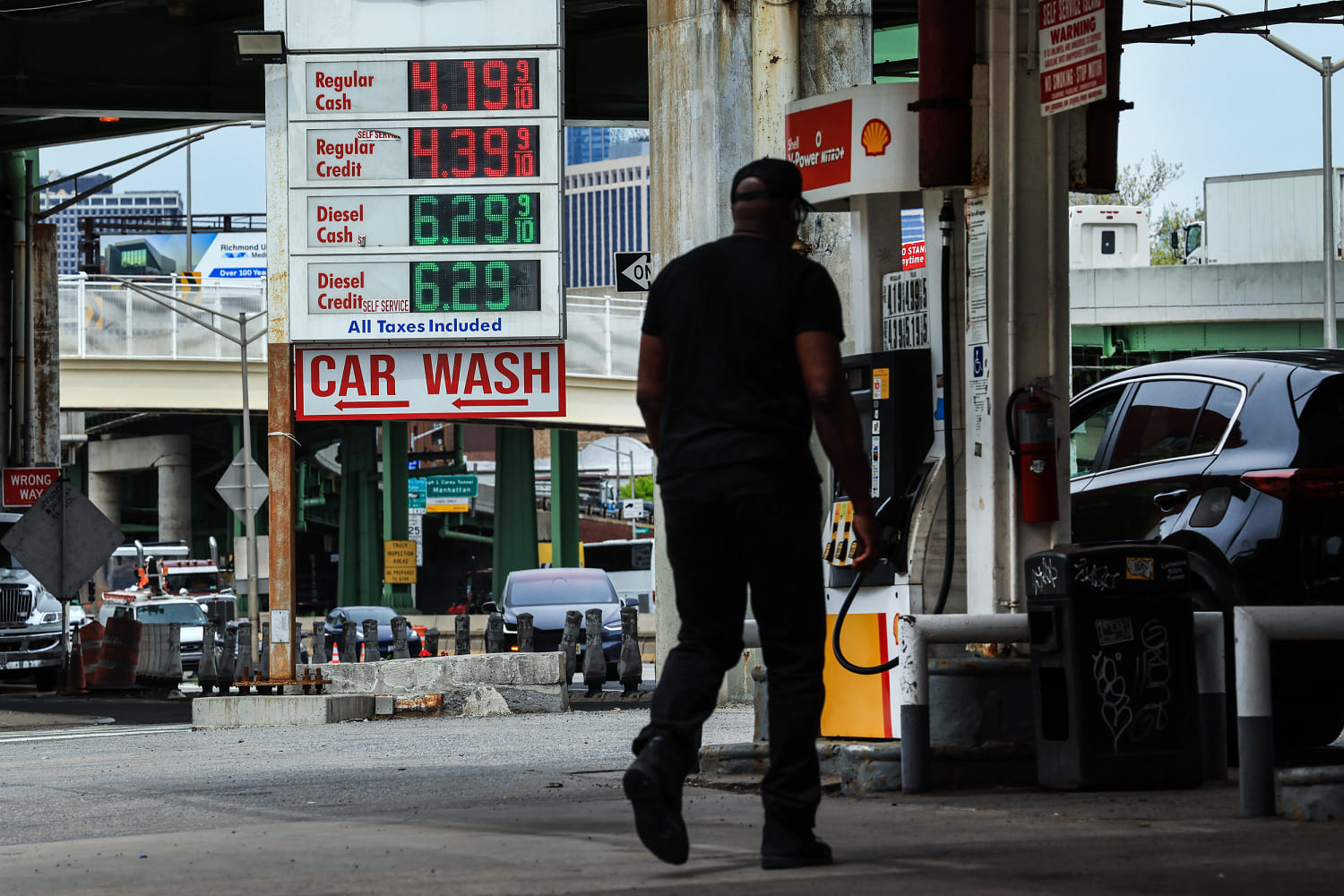
American drivers are currently staring at a $4.23 national average that feels like a gut punch. While headlines focus on the surface-level shock of the price tag, the real story is a volatile cocktail of Middle Eastern supply chokepoints, a shrinking domestic refinery map, and a Wall Street risk premium that prices in disaster long before it actually happens. We aren't just paying for the fuel in the tank; we are paying for the fear of a closed Strait of Hormuz and the cost of a domestic energy infrastructure that is running at its absolute limit.
The Strait of Hormuz Standoff
The primary engine behind the April 2026 price surge isn't a lack of oil in the ground, but the precariousness of the paths it takes to get to market. Following the military escalations in late February, the de facto closure of the Strait of Hormuz became a reality that the global market was unprepared to absorb.
When twenty percent of the world’s liquid petroleum passes through a single thirty-mile-wide waterway, any localized conflict becomes a global tax. Brent crude prices didn’t just tick up; they exploded from $61 a barrel in January to nearly $120 by the end of March. Even as a temporary two-week ceasefire between the U.S. and Iran offered a brief reprieve in mid-April, the market remains on a hair-trigger. Traders are no longer valuing oil based on current supply, but on the catastrophic "what if" of a permanent regional shutdown.
The Ghost of Refinery Capacity
While the crude oil price sets the floor, refinery margins—the "crack spread"—determine how much of that pain makes it to your local station. The U.S. is currently fighting a war of attrition with its own refining hardware.
By the end of 2025, major facilities like the Phillips 66 Wilmington refinery in California ceased operations, removing 138,000 barrels per day from the ecosystem. When capacity disappears, the remaining refineries have to run harder. This creates a fragile "high-utilization" environment where even a minor mechanical failure at a Gulf Coast plant can trigger a price spike in Ohio or Oregon.
We are currently seeing the lowest transportation fuel inventories since the year 2000. This isn't an accident; it is the result of a deliberate shift where companies are hesitant to invest billions into new refineries that may become "stranded assets" as the world pivots toward electrification. This leaves the current fleet of refineries aging and prone to the very "turnarounds" and maintenance cycles that are currently squeezing the spring supply.
The Spring Switch and Summer Blends
Every year, the EPA mandates a transition from winter-grade fuel to a more expensive summer-grade gasoline. This summer blend has a lower Reid Vapor Pressure (RVP) to reduce smog-contributing evaporative emissions during hot weather.
- Production Costs: Refining summer-grade fuel is more complex and yields less gasoline per barrel of crude.
- Logistics: Pipelines must be fully purged of winter stock before the May 1st deadline for terminals, creating a localized supply crunch.
- The Premium: This seasonal mandate typically adds between 10 and 15 cents per gallon to the retail price, arriving exactly when families begin planning road trips.
Why Domestic Production Can’t Save the Day
There is a common argument that record-breaking U.S. crude production—currently hovering around 13.5 million barrels per day—should act as a shield against global price spikes. This is a misunderstanding of how the global market functions.
Oil is a fungible global commodity. Even if a barrel is pulled out of the Permian Basin in Texas, its price is dictated by the global equilibrium. If European markets lose access to Middle Eastern crude, they bid up the price of American oil, pulling it toward the Atlantic. Furthermore, much of the oil produced in the U.S. is "light sweet" crude, while many American refineries are specifically configured to process the "heavy sour" crude that typically comes from overseas. We are, in effect, exporting what we produce and importing what we can actually refine.
The Psychological Premium
Speculation is the invisible hand at the pump. For every cent added by a physical shortage, another two cents are often added by paper trading. Commodity hedge funds and institutional investors use oil as a hedge against inflation and geopolitical instability.
When drone exercises are reported in the Persian Gulf, the price at the pump often moves within 48 hours, long before any "expensive" oil has actually been refined and shipped to your town. This forward-looking mechanism means the American consumer is effectively paying an "insurance premium" on global peace. As long as the Middle East remains a powder keg, that premium isn't going away, regardless of how much we drill at home.
The current $4.23 average is a symptom of a world that has run out of spare capacity. There is no "slack" left in the system—not in the shipping lanes, not in the refineries, and certainly not in the strategic reserves, which have been tapped repeatedly to blunt previous crises. We are moving into a summer where the only thing thinner than the profit margins for independent truckers is the supply of fuel itself.
The path back to three-dollar gas requires more than just a ceasefire; it requires a massive, coordinated reinvestment in the "boring" parts of the energy sector—the pipes, the tanks, and the refineries—that the world has spent the last decade trying to move past. Until then, every global tremor will continue to feel like a seismic shift at the nozzle.
Check the current average in your ZIP code and compare it to the regional refinery utilization rates. If your local refinery is undergoing a "turnaround" or maintenance, expect a 20% localized premium that the national average won't show.