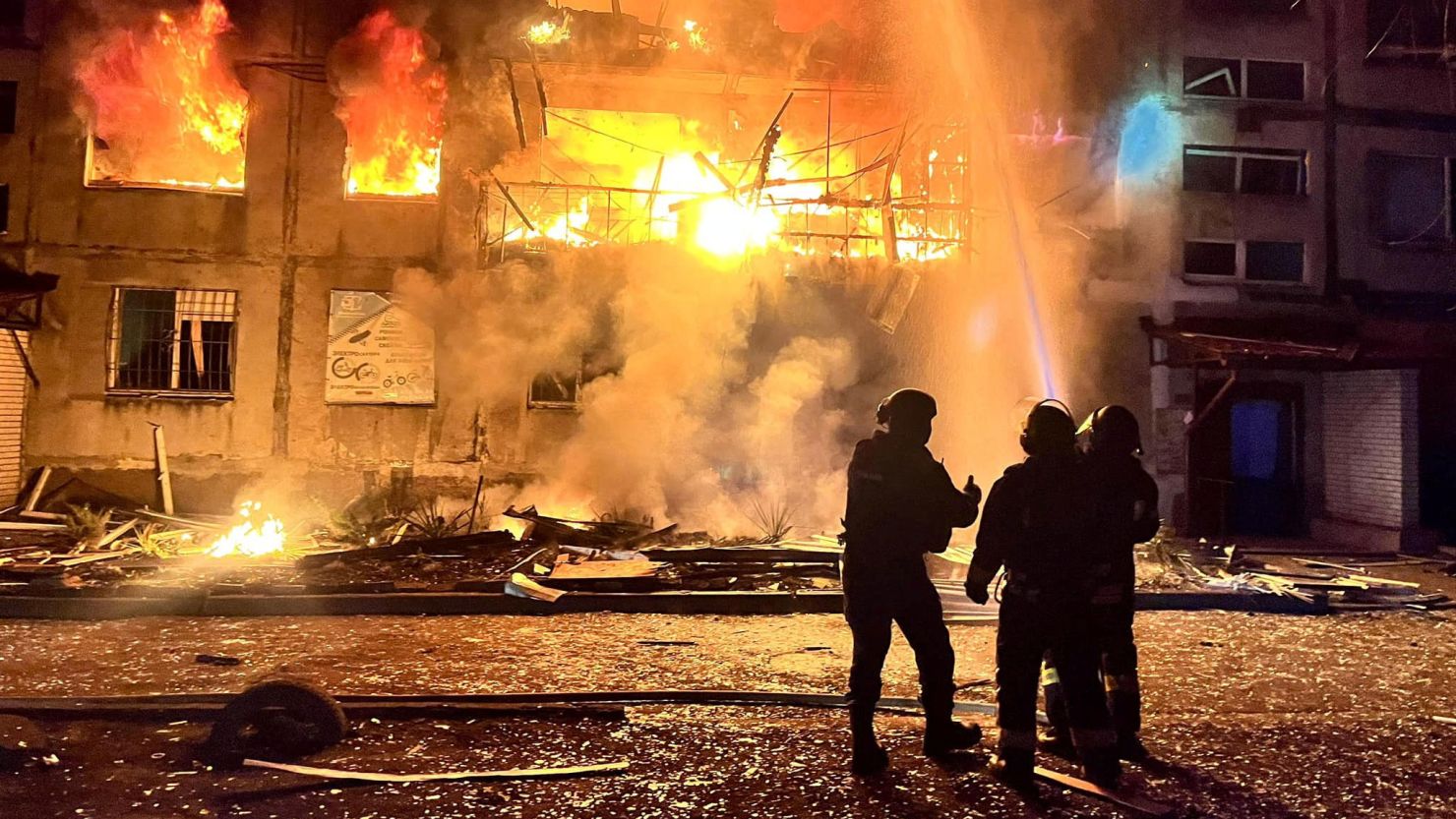
On March 4, 2026, the United States Senate officially chose to let the executive branch dictate the terms of a new Middle Eastern war. In a narrow 47-53 vote, lawmakers rejected a war powers resolution that would have forced the Trump administration to seek congressional approval for its ongoing military campaign against Iran. This wasn't just a procedural hiccup; it was a deliberate abdication of constitutional duty.
The resolution, led by Senator Tim Kaine, aimed to halt "Operation Epic Fury," a sprawling air and naval offensive that has already claimed the lives of six American service members and an estimated 1,500 Iranians. While the headlines focus on the partisan split—with nearly all Republicans siding with the President and most Democrats opposed—the real story lies in the terrifying precedent being set in real-time. By failing to pass this measure, Congress has effectively handed a blank check to a White House that is already operating without a defined endgame or a clear public rationale.
The Epic Fury Mirage
The administration’s branding of the conflict as "Operation Epic Fury" suggests a decisive, swift strike. The reality on the ground is far messier. Just five days ago, a joint U.S.-Israeli operation resulted in the death of Iran’s Supreme Leader, Ayatollah Ali Khamenei. While Defense Secretary Pete Hegseth claimed at a Pentagon press conference that "America is winning," he was notably evasive when questioned about the bombing of an Iranian girls' elementary school that killed 175 civilians.
The administration’s logic for bypassing Congress rests on the claim of "imminent threats" and the President’s inherent authority as Commander-in-Chief. However, an examination of the official war powers notification reveals that the word "imminent" is conspicuously absent. This is a war of choice, launched after months of stalled nuclear negotiations, yet it is being framed as an unavoidable defensive necessity. By the time the House votes on a similar resolution tomorrow, the window for meaningful oversight may have already closed.
The Loneliest Vote in the Chamber
In the Senate, party discipline was nearly absolute, making the few outliers particularly significant. Senator Rand Paul was the lone Republican to join Democrats, arguing that the decision to go to war is the most important vote a legislator can take. On the other side of the aisle, Senator John Fetterman stood alone among Democrats to block the resolution, claiming that reining in the President mid-campaign would signal weakness to Tehran.
These two senators, standing on opposite ends of the political spectrum, highlight the deep-seated confusion over what the War Powers Resolution of 1973 actually requires. The law was intended to prevent "forever wars" by mandating that presidents withdraw troops within 60 days unless Congress authorizes the action. But in practice, the 60-day clock is often treated as a suggestion rather than a mandate. The administration is currently betting that by the time the legal deadline arrives, the conflict will be too "hot" for Congress to dare pulling the plug.
The Mechanics of Oversight Failure
- The 48-Hour Notification Loophole: Presidents frequently submit reports that provide only the barest details, citing "executive privilege" to keep the true scope of operations hidden from the public.
- The Veto Trap: Even if both the House and Senate pass a resolution, it requires a two-thirds majority to override a presidential veto—a mathematical impossibility in today’s hyper-polarized environment.
- The Funding Gap: While some lawmakers talk about using the "power of the purse" to stop the war, history shows that once troops are in the field, few are willing to vote against the funding that keeps them supplied and protected.
The Cost of Silence
While Washington debates legal semantics, the regional fallout is accelerating. Iran has already retaliated against U.S. bases and Israeli targets, and there are mounting concerns that the conflict will trigger massive refugee flows into Turkey and the UAE. Domestically, the economic ripples are starting to show. Energy prices are fluctuating wildly, and the Department of War—a term resurrected by the administration—is already scheduling "dignified transfers" for the fallen.
The House of Representatives is expected to take up its own version of the war powers resolution, sponsored by Representatives Ro Khanna and Thomas Massie, on Thursday. Speaker Mike Johnson has already signaled its defeat, labeling the effort as "siding with the enemy." This rhetoric effectively shuts down the debate before it begins. It turns a constitutional question—who has the authority to send Americans to die?—into a loyalty test.
The 1973 Act was born from the trauma of the Vietnam War and the secret bombings of Cambodia. It was a tool meant to ensure that no single person could commit the nation to blood and debt without a public debate. Today, that tool appears blunt and discarded. As the Senate vote proves, the struggle isn't just between the U.S. and Iran; it is a fundamental struggle for the soul of American governance.
If the House fails to act tomorrow, the 60-day clock will continue to tick, but the significance of the time will be lost. The President will have effectively redefined the limits of executive power, not through a change in law, but through the simple reality of an uncontested war. Congress isn't being outmaneuvered; it is choosing to stay in the shadows.
Every day the conflict continues without a vote is a day the Constitution is treated as a secondary document. The "Epic Fury" might be directed at Tehran, but the collateral damage is the very system of checks and balances that defines the American republic.