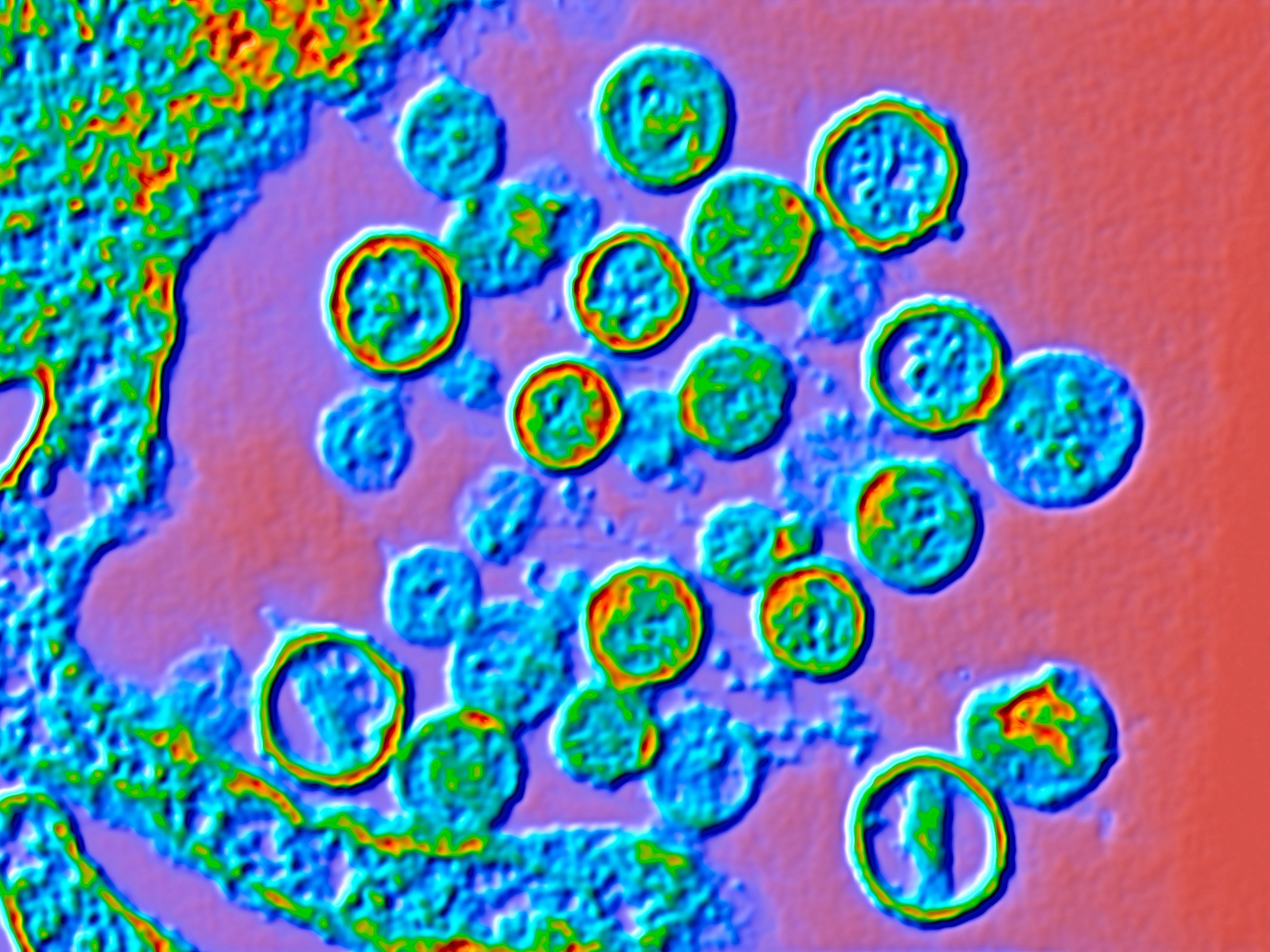
The recent map highlighting Hantavirus activity across 13 countries isn't a forecast of a new pandemic, but it is a stark indictment of how we’ve mismanaged the interface between human expansion and wild frontiers. While headlines scream about "deadly rat diseases," the reality is more nuanced and, in many ways, more concerning for those living on the fringes of developing suburban sprawl. Hantavirus Pulmonary Syndrome (HPS) and Hemorrhagic Fever with Renal Syndrome (HFRS) are not spreading because the virus changed; they are surging because we have changed the map.
Hantavirus is a family of viruses spread mainly by rodents. People get it through contact with infected urine, droppings, or saliva. Most often, this happens through aerosolization—when you sweep up a dusty shed or crawlspace, you breathe in the microscopic particles. It is a brutal, unforgiving illness. In the Americas, the respiratory version carries a mortality rate of roughly 35% to 40%. Discover more on a related topic: this related article.
The current geographic spread—spanning from the Four Corners of the American Southwest to the rural stretches of Germany, Chile, and China—reveals a pattern of ecological disruption. As we push housing developments into previously undisturbed grasslands and forests, we aren't just moving into nature. We are moving into a high-traffic viral exchange.
The Ecology of an Outbreak
To understand why 13 countries are now seeing elevated numbers, you have to look at the rain. In many regions, particularly the Americas, Hantavirus spikes follow a specific boom-and-bust cycle of local flora. More analysis by Medical News Today explores similar views on the subject.
When a region experiences unusually heavy rainfall after a prolonged drought, the ecosystem overreacts. Plants produce an abundance of seeds and fruit. This surplus of food leads to a population explosion among "reservoir" species like the deer mouse in North America or the long-tailed pygmy rice rat in South America. The more rodents there are, the more they compete for space. That competition eventually pushes them into human structures: barns, garages, and suburban homes.
This isn't a theory. It is a biological certainty. In 1993, the first major recognized HPS outbreak in the United States occurred in the Four Corners region. It followed a period of heavy snow and rain attributed to El Niño. We are seeing the same environmental triggers today on a global scale. Climate instability is making these "mast years" for vegetation more frequent and more erratic.
The Hidden Logistics of Infection
The virus doesn't want to kill humans. In fact, we are a dead-end host. The virus thrives in the rodent population without making the animals noticeably sick. It is a silent passenger. The danger to humans is purely accidental, a byproduct of our shared breathing space.
- Sin Nombre Virus: Found in North America, primarily carried by the deer mouse. It targets the lungs.
- Andes Virus: Found in South America. It is the only strain known to occasionally spread from person to person.
- Puumala Virus: Common in Europe. It usually causes a milder form of kidney-related illness.
- Hantaan Virus: Prevalent in East Asia, often leading to severe hemorrhagic fever.
Each of these strains has carved out a specific niche. The reason the map is expanding is that these niches are being disturbed. When we clear-cut forests or fragment habitats, the larger predators that keep rodent populations in check—hawks, owls, snakes, and foxes—are the first to disappear. Without those natural checks, the rodent population doesn't just grow; it becomes unstable.
Why the Healthcare System is Unprepared
If you walk into an emergency room in a major city with early Hantavirus symptoms, there is a high probability you will be misdiagnosed. The initial signs are annoyingly vague: fever, muscle aches, and fatigue. It looks like the flu. It looks like COVID-19. It looks like a dozen other common respiratory bugs.
By the time the "leakage" phase begins, the situation is dire. Hantavirus causes the capillaries in the lungs to leak fluid. This isn't a traditional pneumonia caused by infection; it’s a physical drowning from the inside out. Because there is no specific cure—no "Hantavirus pill"—treatment is entirely supportive. Patients need high-level ICU care, often involving extracorporeal membrane oxygenation (ECMO) to oxygenate the blood while the lungs are incapacitated.
The geographic "spread" reported in recent data is partly an improvement in diagnostics, but it also reflects a lack of physician awareness in newly affected areas. Doctors in rural New Mexico know what to look for. Doctors in a rapidly expanding suburb in the Pacific Northwest or a new development in the German countryside might not. This lag in recognition is where the mortality rate finds its grip.
The Urban-Rural Blur
The traditional view of Hantavirus as a "wilderness disease" is becoming obsolete. We are seeing a blurring of the lines between wild ecosystems and urban environments.
In South America, the Andes virus has shown that it doesn't stay in the woods. Changes in land use for agriculture have brought workers into direct contact with infected rodents at a scale never seen before. In Europe, the bank vole—the carrier of the Puumala virus—has adapted remarkably well to managed forests and suburban parks.
We often talk about "encroachment" as if it’s a one-way street where humans are the only actors. But animals adapt. Rodents are the ultimate opportunists. When we provide them with warmth, shelter, and a lack of predators, they move in. The 13 countries currently flagged are just the most visible examples of a global trend where human infrastructure is becoming a playground for opportunistic carriers.
The Cost of Ignorance
Preventing Hantavirus isn't about high-tech vaccines or massive chemical interventions. It’s about boring, low-tech maintenance. It’s about sealing cracks in foundations, using bleach when cleaning out a garage, and wearing a respirator when handling potentially contaminated materials.
The problem is that these measures require a level of public awareness that doesn't exist in most of the "newly affected" countries. People don't fear what they don't recognize. As long as the public perceives this as a "rat disease" relegated to the deep woods or distant lands, they will continue to sweep out their sheds with nothing but a t-shirt over their faces.
A Failure of Surveillance
We are currently flying blind. Most countries do not have a robust, nationwide surveillance system for Hantavirus in wildlife. We wait for people to die before we check the local rodent population. This reactive approach is a recipe for the exact "surprises" that make headlines.
A proactive model would involve regular testing of rodent populations in areas identified as high-risk due to climate patterns or land development. If we know the viral load in the local deer mouse population is spiking, we can issue public health warnings before the first patient hits the ICU. Instead, we rely on the body count to tell us where the virus is.
The data from these 13 countries should be viewed as a warning shot. The virus isn't invading; it was already there. We simply invited it into our homes by failing to understand the ecological consequences of our expansion.
Managing the Risk
If you live in an area with known Hantavirus activity, your defense is structural.
- Seal Entrances: Any hole larger than a pencil eraser is a door for a mouse. Use steel wool and caulk.
- Ventilate First: If you are opening a cabin or shed that has been closed for the season, open the doors and windows and leave for 30 minutes before working.
- Wet Cleaning: Never sweep or vacuum rodent droppings. Use a 10% bleach solution to soak the area. This kills the virus and prevents it from becoming airborne.
- Predator Support: Stop using rodenticides that kill the owls and hawks that naturally manage rodent numbers.
The map of Hantavirus is a map of our own environmental footprint. It tracks where we have disrupted the balance of the natural world and failed to account for the biological fallout. As the climate becomes more volatile and our cities continue to bleed into the wild, the number of countries on that list will inevitably grow.
The danger is not the "rat disease" itself. The danger is the persistent belief that we can reshape the planet without ever having to share the air with the things that lived there first. Stop sweeping the dust and start looking at the foundation.