Sarah stands at the checkout of a mid-sized grocery store, her eyes darting between the digital readout and the dwindling space in her reusable bags. She is a hypothetical composite of the millions currently feeling a phantom weight on their shoulders, but her anxiety is very real. Today, she put back the brand-name cereal. She swapped the fresh berries for a bag of frozen ones that feel like gravel in the palm of her hand. Despite these small surrenders, the total at the bottom of the screen is higher than it was last month.
We are told this is the result of a global supply chain ripple, a war half a world away, or the lingering shadows of a pandemic. These are true. But there is another factor, one that feels more like a betrayal than a market fluctuation. As the cost of milk, bread, and fuel climbs, the government is quietly harvesting a windfall.
The mechanism is simple, mechanical, and devastatingly effective. It is called fiscal drag, and it is the silent engine of a growing state.
The Taxman’s Unearned Payday
When inflation pushes prices up, it doesn't just empty the consumer's wallet; it fills the treasury's coffers. Most consumption taxes, like Value Added Tax (VAT) or sales tax, are percentages. If a loaf of bread rises from $2.00 to $3.00, a 10 percent tax yield jumps from 20 cents to 30 cents. The government hasn't provided a better service. They haven't paved more roads or hired more teachers to earn that extra dime. They simply sat back and watched the price of survival go up, and in doing so, their take increased by 50 percent.
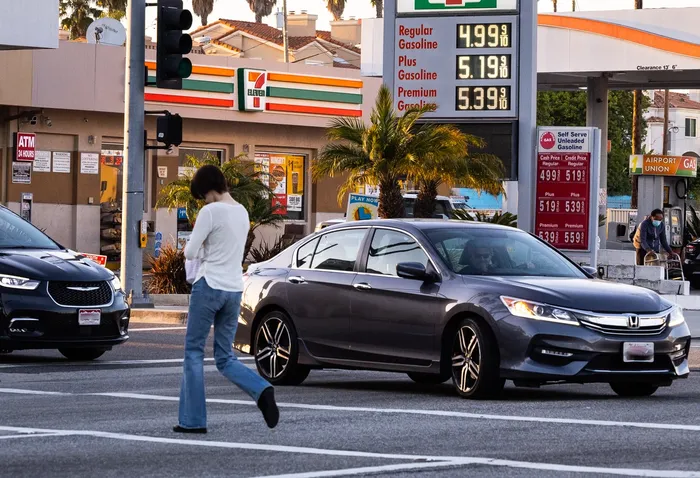
Consider the energy crisis. As heating bills doubled for families huddled in drafty living rooms, the tax revenue on those bills surged in lockstep. There is a profound moral dissonance in a system where the state grows wealthier specifically because its citizens are struggling to afford the basics.
It feels like a penalty for existing.
But the profit isn't limited to the checkout line. It follows Sarah back to her job. Let’s say Sarah gets a 5 percent raise to help her keep up with the 7 percent increase in the cost of living. On paper, she’s still falling behind. In reality, she’s falling even further than she thinks. Because tax brackets are often frozen in place, that modest raise can push her into a higher tax tier.
The government takes a larger slice of her "increase," even though her actual purchasing power has shriveled. This is the "stealth tax" at its most cynical. The state benefits from the very inflation that is eroding the public’s standard of living.
The Myth of the Flat Ledger
Governments often argue that they need this extra revenue to cover their own rising costs. They, too, must buy fuel, pay for construction materials, and meet higher wage demands. It sounds logical. It sounds fair.
It isn't.
The government has levers that the average household does not. When the state’s debt is massive—and in our current era, it is gargantuan—inflation is actually a friend to the debtor. As the value of currency drops, the real value of the debt the government owes shrinks. They are paying back yesterday's loans with today's "cheaper" dollars.
While you are struggling to pay for a dozen eggs, the treasury is watching the "real" weight of its multi-billion dollar deficit evaporate. They are being bailed out by the devaluation of the money in your pocket.
Imagine a bank where, every time the price of gas went up, the bank lowered your mortgage. You’d think it was a miracle. That is essentially the position the state finds itself in during inflationary periods. They win twice: once through increased tax receipts and again through the erosion of their debt.
The Human Cost of the Windfall
Why does this matter beyond the spreadsheets? Because trust is a finite resource.
When people see record tax hauls reported in the same news cycle as food bank shortages, the social contract begins to fray. The "we’re all in this together" rhetoric of the last few years starts to sound like a hollow joke. There is a psychological toll to knowing that as you tighten your belt, the institution meant to protect you is letting theirs out a notch.
If the government were truly a partner in this struggle, they would move to neutralize these windfall gains. They could "index" tax brackets, automatically shifting them upward so that a cost-of-living raise doesn't result in a tax hike. They could temporarily slash consumption taxes on essential goods like fuel and groceries to offset the price spikes.
Instead, many choose to keep the "extra" money, folding it into general spending or using it to fund new projects that win votes but don't lower the price of bread. It is a form of profiteering that would be condemned in any private corporation.
A Choice of Mirrors
The debate often gets bogged down in partisan bickering about "big government" versus "small government." That is a distraction. This is a question of transparency and basic fairness.
The state should not be a beneficiary of its citizens' misfortune.
When the sun goes down and Sarah sits at her kitchen table with a calculator, she isn't thinking about macroeconomic theory. She is thinking about the $40 that seemed to vanish into thin air between the grocery store and her front door. She is thinking about the fact that she is working harder just to stay in the same place.
The money isn't just vanishing, though. It’s moving. It’s flowing from the tables of people who are worried about their heating bills into the accounts of a state that is growing fat on the very heat of the inflation fire.
We are told that rising costs are an act of God or a whim of the markets. But the fact that the government takes a bigger cut of your struggle is an act of policy. It is a choice. Every time a budget is passed without adjusting for the reality of the street, that choice is made again.
The true cost of inflation isn't just the price on the tag. It is the quiet, steady transfer of wealth from the individual to the state, performed while the individual is too tired and too stressed to notice the hand in their pocket.
The grocery store doors hiss shut behind Sarah. She walks to her car in the cold air, her bags lighter than they should be, her bank balance lower than it was, and the machinery of the state humming along, fueled by the difference.