The taxi driver in West Texas doesn’t know Sarah, but he is currently deciding whether she can afford to fly home for her mother’s sixtieth birthday. He is tightening a valve on a Permian Basin wellhead, squinting against a sun that turns the dust into liquid gold. Thousands of miles away, a trader in a glass-walled office in London stares at a flickering green line on a Bloomberg terminal, betting on the stability of a pipeline he will never see.
Sarah is sitting in a cramped apartment in Chicago, staring at a travel site that just refreshed. The price for a round-trip ticket to Orlando jumped eighty dollars in the time it took her to find her credit card. She thinks it’s a glitch. She clears her cookies. She reloads the page. The price stays.
It isn't a glitch. It is the physics of a global machine that has begun to groan under its own weight.
The Liquid Currency of Distance
We like to think of air travel as a service, a ticket to a memory, or a bridge to a business deal. In reality, an airline is little more than a massive, sophisticated hedge fund that happens to own some aluminum tubes. Their primary business isn't hospitality; it’s the management of energy.
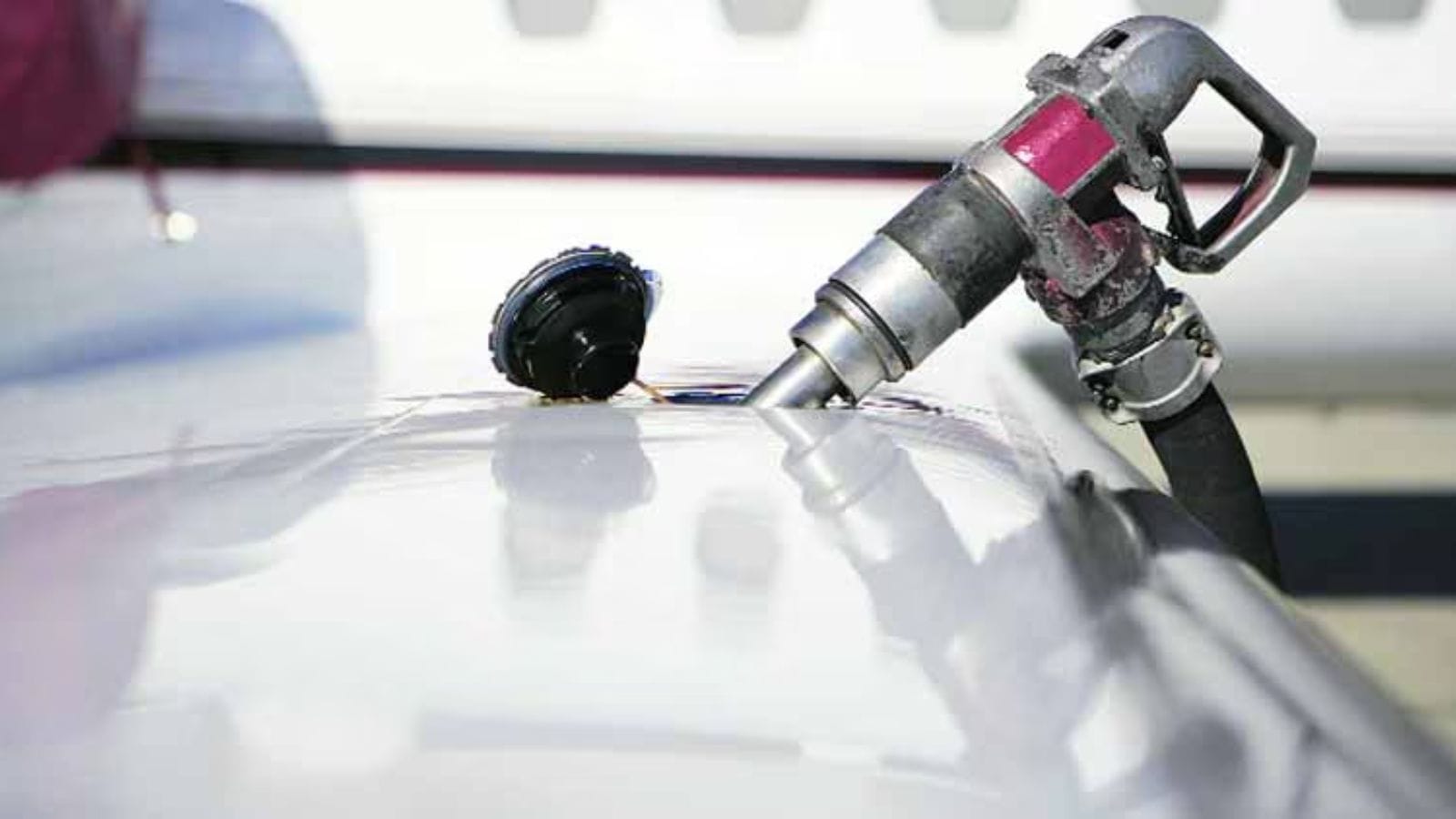
When you look at a Boeing 737, you see a miracle of engineering. An airline CFO sees a thirsty beast. Fuel typically accounts for twenty to thirty percent of an airline's total operating costs. It is the single most volatile variable in their entire ledger. Unlike labor contracts, which are negotiated over years, or airport landing fees, which are relatively static, the price of "Jet A" fuel can swing violently based on a rumor of war in the Middle East or a hurricane spinning toward the Gulf Coast.
Consider the sheer scale of the thirst. A standard long-haul flight might carry 30,000 gallons of fuel. When the price of oil creeps up by just ten dollars a barrel, the math for that single flight starts to bleed. Multiply that by a fleet of five hundred planes making several trips a day, and you aren't looking at a "business challenge." You are looking at a hole in the hull of the ship.
Why Your Ticket Costs More Than the Oil
You might wonder why a ten percent increase in oil prices often results in a twenty percent jump in your fare. This isn't just corporate greed—though the optics are never great. It’s about the "lag" and the "hedge."
Airlines practice something called fuel hedging. They buy "insurance" against rising prices by locking in rates months or years in advance. If an airline guessed right and locked in low prices, they can keep their tickets cheap while their competitors drown. But if they guessed wrong, or if their hedges expire just as a global crisis hits, they are forced to play a desperate game of catch-up.
They don't just raise the price to cover the extra fuel. They raise it to cover the risk of the next jump.
Then there is the weight of the fuel itself. This is the great irony of aviation: to carry the fuel needed to fly across the ocean, the plane must burn fuel just to lift the weight of that very fuel. It is an exponential spiral of energy. When the price of oil rises, that spiral becomes more expensive to maintain.
The Quiet Displacement of the "Maybe" Traveler
But this isn't just a business story. It is a story about the things we no longer do.
Every ten-dollar increase in a plane ticket isn't just a number on a screen. It is a filter. It is a person deciding they can't afford to see their nephew’s graduation. It is a small business owner deciding that a Zoom call will have to suffice, even though the real work happens over a handshake at a bar in Kansas City.
We are living through a "tax on distance." For forty years, the world got smaller. Now, as the volatility of the oil market increases, the world is beginning to expand again. The miles between us are becoming more expensive to traverse.
The Invisible Stakes of the Empty Middle Seat
When an airline can't cover its fuel costs, it doesn't just raise prices. It cuts routes.
A route between two major hubs—say, New York and London—is rarely in danger. It is the "thin" routes, the connections between a mid-sized city and a regional hub, that vanish first. This is where the human stakes are highest. When an airline pulls out of a regional airport because the fuel-to-revenue ratio no longer works, a whole community is suddenly untethered from the global economy.
The businesses in that city find it harder to attract talent. The families find it harder to stay connected. The ripples of a rising oil price don't just hit the traveler's wallet; they hit the map.
The airline industry is currently chasing the phantom of "Sustainable Aviation Fuel" or electric regional planes. They are trying to decouple their survival from the whims of a Texas oil field or a Saudi refinery. But that future is decades away. For now, we are all tethered to the ground by a price per barrel.
Sarah is still staring at her computer screen. She decides to buy the ticket. She will skip a few dinners out, or maybe delay the new shoes she was eyeing. She pays the invisible tax, not because she wants to, but because her mother only turns sixty once.
But the next time, or the time after that, she might not. And that is the true cost of a rising oil price: the slow, quiet erosion of the moments that make a life.