The plastic handle of the gas pump is cold, slightly oily, and smells of old chemical spills. You stand there in the mid-morning sun, watching the red numbers on the display blur into a dizzying streak. They aren’t just numbers. They are a ticking clock, counting down the remains of your grocery budget for the week.
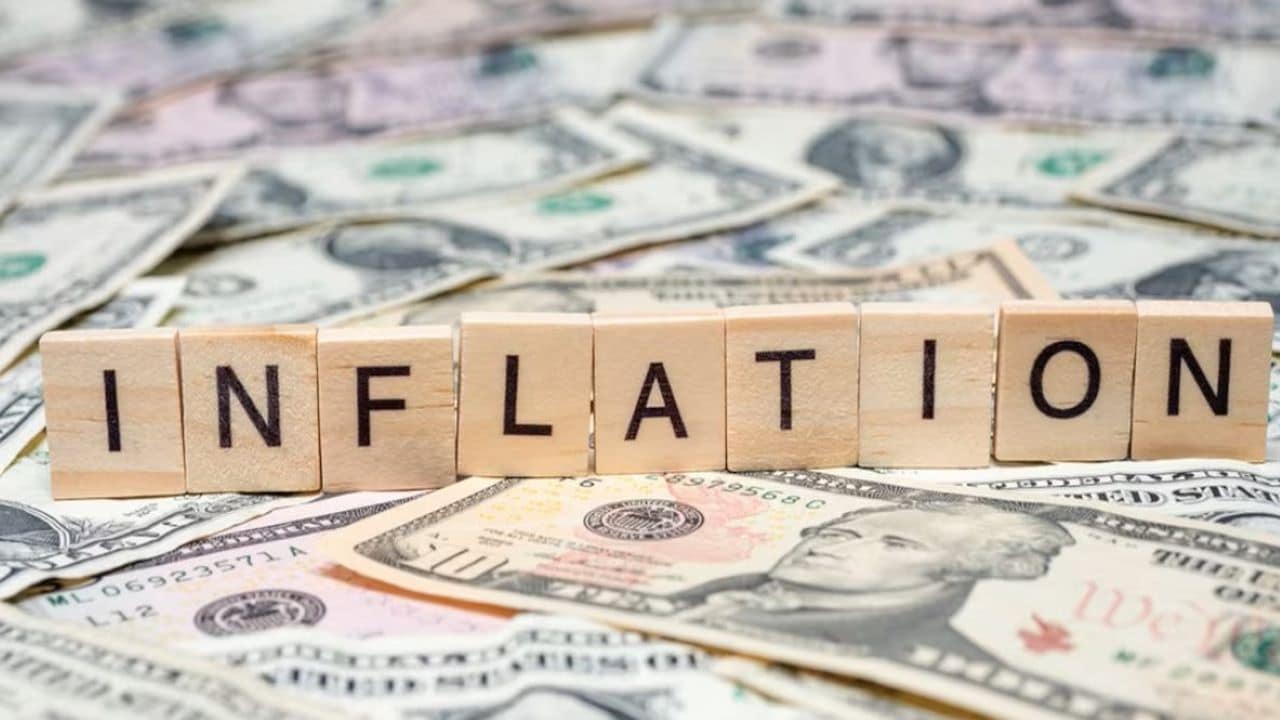
We focus on the total at the bottom, but the real story is in the speed. In one month, the cost of living didn’t just nudge upward; it sprinted. The Consumer Price Index (CPI) just recorded a 0.9% jump—the sharpest monthly increase we have seen since the volatility of 2022. To a statistician in a climate-controlled office, 0.9% is a data point on a line graph. To someone trying to fill a minivan to get to a shift at the hospital, it is a betrayal.
Everything is connected by a thread of petroleum.
The Ghost in the Engine
Consider a hypothetical commuter named Elias. He drives a decade-old sedan that requires a full tank every six days. Last month, that tank cost him enough to notice. This month, it cost him enough to hurt.
When gasoline prices spike, they act like a regressive tax that nobody voted for. It is a ghost that haunts every transaction. Because the truck that delivers the organic kale needs diesel, the kale gets more expensive. Because the plastic packaging for the kale is a byproduct of oil refining, the wrapper gets more expensive. By the time Elias reaches the checkout counter, he isn't just paying more for the gas in his car; he is paying for the gas in everyone else’s car, too.
The 0.9% surge isn't evenly distributed. It is weighted heavily on the things we cannot opt out of. You can choose not to buy a new television or a pair of designer sneakers. You cannot choose to stop heating your home or driving to work. This is where the emotional core of inflation sits: in the loss of agency.
Why the Leap Happened Now
The mechanics of this jump are deceptively simple, yet they feel like a conspiracy when you're looking at your bank statement.
Energy costs were the primary engine behind this specific surge. Global supply chains, still reeling from geopolitical tremors and refinery bottlenecks, hit a wall. When the supply of energy tightens while the demand remains stubborn, the price acts like a pressurized valve. It blows.
But it wasn't just the pumps. If we look closer at the CPI data, we see "core" inflation—the stuff that stays after you strip away the volatile food and energy sectors—also showing signs of a fever. Shelter costs, the literal roof over our heads, continue to climb with a relentless, rhythmic thump.
Think of the economy as a massive, aging boiler. For a while, the gauges stayed in the yellow. We grew used to the hiss of steam. But a 0.9% monthly jump is the needle hitting the red zone. It suggests that the "transitory" narratives we were fed a year ago were more like wishful thinking than a forecast.
The Kitchen Table Calculus
Inflation changes how we think. It shifts our psychology from long-term planning to short-term survival.
Imagine a family sitting down to look at their monthly spreadsheet. For years, they’ve had a rhythm. Rent, insurance, utilities, a little for the kids' soccer league. Suddenly, the math doesn't work. The "miscellaneous" category—the small joys of life—is being devoured by the "necessities" category.
- The $4 gallon of milk.
- The $50 jump in the heating bill.
- The $80 fill-up.
These aren't just expenses. They are subtractions from a family’s future. Every extra dollar spent on a gallon of 87-octane is a dollar that isn't going into a college fund or a retirement account. Inflation is a thief that doesn't just steal your present; it picks the pocket of your future self.
We often talk about the "economy" as if it is a weather system, something far above our heads that we can only watch through a window. But the economy is nothing more than the sum of billions of human decisions. When the CPI surges, those decisions become fearful. People stop dining out. They delay repairs. They hold onto their old clothes a little longer.
The momentum of the country slows down.
The Ripple and the Wave
There is a specific kind of vertigo that comes with watching prices rise while your paycheck remains a stagnant pool. You feel like you are walking on a treadmill that someone is slowly turning up. You are running faster just to stay in the same place.
The 0.9% jump tells us that the Federal Reserve’s battle against the rising tide is far from over. It means interest rates—the cost of borrowing money for a house or a car—will likely stay high, or even go higher, to try and "cool" the economy.
But cooling an economy is a polite way of saying "making people spend less by making them feel poorer." It is a blunt instrument. It doesn't distinguish between the person buying a yacht and the person buying a used alternator. It hits everyone, but it bruises the vulnerable most of all.
We are living through a period of profound recalibration. For decades, we lived in a world of "cheap"—cheap goods from overseas, cheap energy from the ground, cheap debt from the bank. That world is evaporating. In its place is a landscape where every resource is contested, and every price tag is a negotiation.
The Weight of the Penny
Economics is often taught as a series of cold equations ($MV = PY$), but that is a lie. Economics is actually the study of human desire and human struggle.
When you see the headline that the CPI has jumped nearly a full percent in thirty days, don't look at the stock market tickers. Look at the faces of the people in the grocery store aisle. Look at the way they pick up a box of cereal, look at the price, and then slowly put it back.
That hesitation is the real inflation.
It is the moment a parent realizes they have to say "no" to something small because the "big" things—the gas, the light, the rent—have demanded more than their fair share. It is a quiet, eroding stress that sits in the back of the neck.
The numbers on the gas pump finally stop spinning. You pull the nozzle out, a few stray drops of fuel falling onto the pavement, shimmering like a rainbow in a puddle of oil. You hang it up and get back into the car. The engine turns over, burning through the very money you just spent, carrying you toward a job that feels a little less rewarding than it did an hour ago.
The thief is still there, riding in the passenger seat, silent and invisible, waiting for the next time you have to pay the price of just existing.