The International Olympic Committee (IOC) just dropped a bombshell that's rippling through the sports world. On May 7, 2026, the Executive Board announced it's officially lifting the restrictions on Belarusian athletes. This isn't just a minor rule change. It's a massive shift in how global sports bodies handle the intersection of war and competition.
For the last few years, if you were a Belarusian athlete, you were basically a ghost. You couldn't wear your colors. You couldn't hear your anthem. You were tucked away under the "Individual Neutral Athlete" (AIN) label, provided you passed a rigorous vetting process to prove you weren't actively supporting the invasion of Ukraine. Now? The IOC says those days are over for Belarus. Read more on a similar issue: this related article.
The end of neutral status for Belarus
The core of this decision is simple but heavy. The IOC Executive Board no longer recommends any restrictions on Belarusian athletes. This includes teams. That's a huge distinction because, until now, team sports were completely off-limits. If you were a Belarusian hockey player or a relay runner, you were out of luck.
This move clears the path for Belarus to return to the global stage with its full national identity. We're talking flags, anthems, and national uniforms. This is specifically aimed at the qualification cycles for the Los Angeles 2028 Olympics. While the Paris 2024 and Milano Cortina 2026 Games saw a tiny handful of "neutral" Belarusians, LA28 is looking like it'll see the full return of the Belarusian delegation. Additional reporting by NBC Sports explores related perspectives on the subject.
Why now and what changed
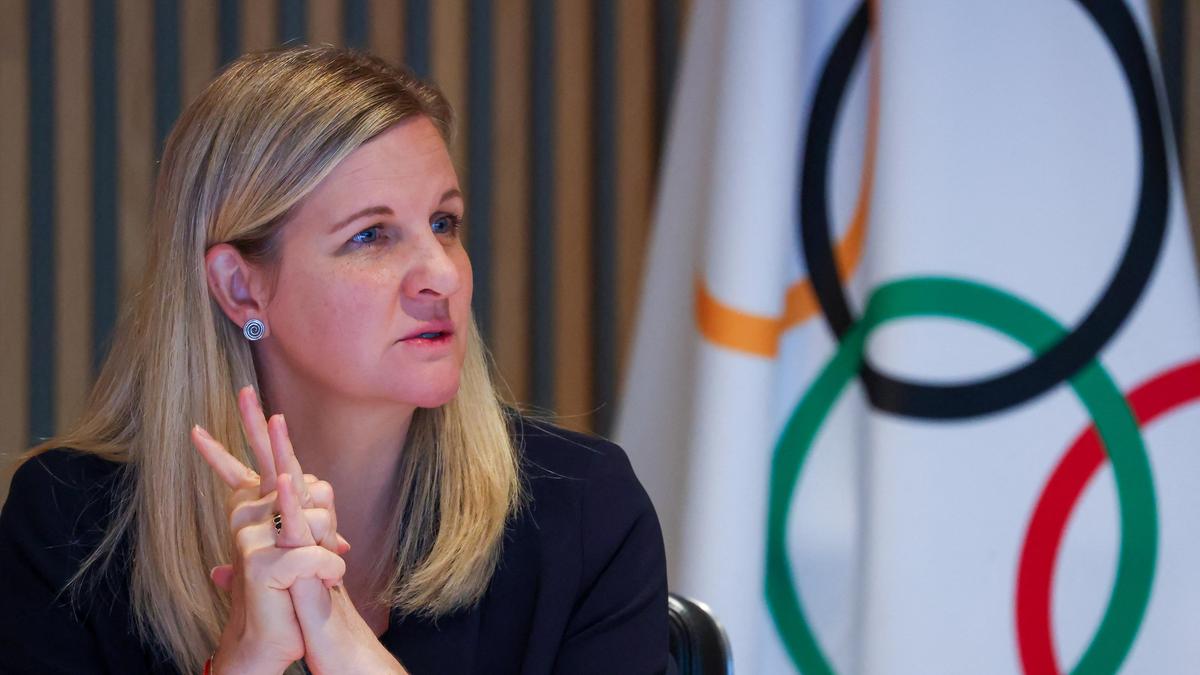
You might be wondering why the IOC decided today was the day to flip the script. The war in Ukraine is still very much a reality. However, the IOC is leaning hard into its "Fit for the Future" process. This initiative, championed by IOC President Kirsty Coventry—who took the reins from Thomas Bach—reaffirms a pretty bold stance: athletes shouldn't be punished for the actions of their governments.
The IOC’s logic is that the "protective measures" introduced in 2022 were always meant to be temporary. They argue that over the last two years, Belarusian athletes have competed as neutrals in various events without "incident on or off the field." Basically, since there weren't any massive protests or fights in the Olympic Village, the IOC feels the experiment proved that athletes can coexist even when their leaders are at odds.
A tale of two neighbors
It's important to be clear: this does NOT apply to Russia. Not yet, anyway. The IOC is drawing a very sharp line between Minsk and Moscow right now.
- Belarus: The National Olympic Committee (NOC) of Belarus is considered "in good standing." They haven't breached the Olympic Charter in the same way the Russians have.
- Russia: The Russian Olympic Committee (ROC) remains suspended. Why? Because they tried to absorb regional sports organizations from occupied Ukrainian territories. That’s a direct violation of territorial integrity under the Olympic Charter.
So, while Belarusian athletes are getting their flags back, Russian athletes are still stuck in neutral territory, waiting for the Legal Affairs Commission to finish its review.
The pushback is already starting
Don't think for a second that this decision is getting a standing ovation across the board. The sports world is fractured.
World Athletics, the group that runs track and field, immediately fired back. They’ve made it clear that their sanctions against Belarusian and Russian athletes aren't budging. Their stance is much more rigid: until there's "tangible movement towards peace," the ban stays. This creates a messy situation where an athlete might be "Olympic eligible" but still banned from the World Championships in their own sport.
Northern European and Baltic countries aren't happy either. The Swedish sports confederation called the IOC's advice "deeply unfortunate." There's a real fear that this move undermines the unified front the sporting world tried to build in 2022.
The doping shadow
Just to make things more complicated, the timing of this announcement was... awkward. Only hours before the IOC released its statement, news broke that Belarusian weightlifter Yauheni Tsikhantsou—a bronze medalist from Paris—tested positive for a growth hormone.
While the IOC wants to talk about geopolitical neutrality and the "right to sport," the reality of doping remains a massive hurdle. It reminds everyone that Belarus and Russia have a history here that isn't just about the war. The International Testing Agency (ITA) is handling the case, but it’s a bad look for a country that just got its "good standing" status reaffirmed.
What this means for the road to LA28
If you're an athlete in Belarus, your world changed today. You're no longer looking at a "neutral" future. You’re looking at qualifying for Los Angeles under your own flag.
- Qualifiers start now: Most of the LA28 qualifying cycles begin later this year. Belarusian teams will now be entered into these draws.
- Team sports are back: Expect to see Belarus in soccer, basketball, and volleyball qualifiers. This is where the tension will be highest.
- Vetting is gone: The strict background checks into an athlete’s social media or military ties to see if they "support the war" are being scrapped for Belarusians.
Honestly, the IOC is taking a massive gamble here. They're betting that the world is ready to see the Belarusian flag again, even while the geopolitical situation remains a powderkeg. It's a "sports-first" approach that treats the athlete as an individual separate from the state, but in a country where the state and sports are so tightly linked, that's a tough sell.
Whether this leads to a more peaceful Olympic movement or just more boycotts and tension remains to be seen. But one thing is for sure: the "neutral" era for Belarus is effectively over. Keep an eye on the upcoming European qualifying draws; that's where we'll see the first real-world impact of this policy shift.