The Strait of Hormuz is basically the carotid artery of the global energy market. If it gets squeezed, the whole world feels the lightheadedness of rising oil prices and supply chain chaos. Iran just upped the ante. After recent US signals about tightening the grip on the Hormuz region, Tehran didn't just push back—they threatened to set the whole neighborhood on fire. Their latest warning claims that no port in the Middle East is safe if the US or its allies try to block Iranian interests. This isn't just typical saber-rattling. It’s a shift toward a "total regional insecurity" doctrine that should make every global trade analyst lose sleep.
You have to understand the geography to see why this matters. About 20% of the world's liquid petroleum passes through that narrow choke point. We're talking millions of barrels every single day. Iran knows it can't win a conventional blue-water naval war against the US Fifth Fleet. They aren't trying to. Instead, they use "asymmetric" threats. By claiming that no port is safe, they're signaling that they will use drones, missiles, and fast-attack boats to hit infrastructure in the UAE, Saudi Arabia, or even further afield. It’s a scorched-earth policy for maritime trade.
The Hormuz Trap and Why the US Can't Ignore It
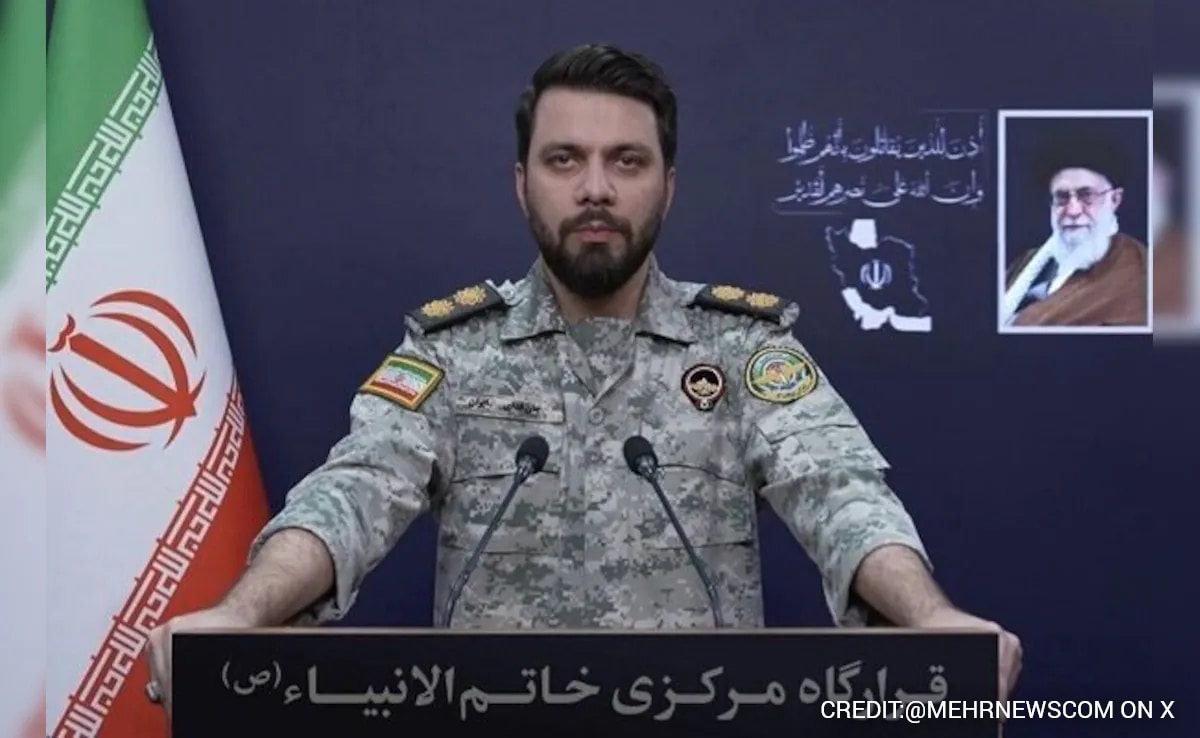
The US recently signaled a more aggressive stance toward monitoring and potentially intervening in the Strait to curb Iranian oil smuggling and protect commercial shipping. Iran’s response was immediate and visceral. General Hossein Salami and other high-ranking officials within the IRGC (Islamic Revolutionary Guard Corps) have been clear. If Iran can't export oil, they'll make sure nobody else can either. This "all or nothing" approach turns the entire Persian Gulf into a potential kill zone.
When Tehran says "no port is safe," they're talking about the massive DP World hubs in Jebel Ali or the sprawling Saudi terminals at Ras Tanura. These aren't just local docks. They are the engines of the global economy. A single drone strike on a loading terminal doesn't just sink a ship; it drives insurance premiums through the roof. Ships stop coming. The supply chain snaps. I’ve seen this play out before during the "Tanker War" of the 1980s, but today’s technology makes the risk much higher. Back then, you needed a navy. Now, you just need a $20,000 suicide drone.
Why Iran’s New Warning is Different This Time
Usually, these threats are localized. Iran says they'll close the Strait. They've said it a thousand times. But this new rhetoric expands the target list. They are moving away from just blocking the waterway to suggesting they will strike the ports themselves. This is a massive escalation.
- Precision Guidance: Ten years ago, Iranian missiles were famously inaccurate. Today? They can hit a specific warehouse from hundreds of miles away. Just look at the 2019 Abqaiq–Khurais attack on Saudi oil facilities. It was a wake-up call that many people chose to ignore.
- The Proxy Network: Iran doesn't have to pull the trigger themselves. They have "friends" in Yemen (the Houthis), Iraq, and Lebanon. If a port in the Red Sea gets hit, Iran can claim "plausible deniability" while still achieving their strategic goals.
- Economic Warfare: The goal isn't necessarily to sink the US Navy. It’s to make the cost of doing business in the Middle East so high that the West forces a diplomatic retreat.
The US Navy’s presence is supposed to be a deterrent, but deterrence only works if the other side cares about the consequences. Tehran seems to have decided that the status quo is worse than the risk of conflict. They feel backed into a corner by sanctions and a failing domestic economy. A cornered animal is always the most dangerous.
The Massive Misconception About Naval Power
Most people think a US carrier strike group can just "solve" this. It’s not that simple. I’ve talked to maritime security experts who point out that the Strait of Hormuz is barely 21 miles wide at its narrowest point. The shipping lanes are even narrower. In that kind of environment, a multi-billion dollar destroyer is actually quite vulnerable.
Swarm tactics are the real nightmare. Imagine fifty fast-attack boats coming from different directions while dozens of low-flying drones clog the radar. You can't shoot them all down before one or two get through. Iran’s strategy is built on this "death by a thousand cuts" philosophy. They don't need to win a battle; they just need to cause enough chaos to make the global markets panic.
What This Means for Global Energy Prices
If you think gas prices are high now, wait until a missile actually hits a major port terminal in the Gulf. We aren't just talking about a few cents at the pump. We're talking about a global shock that could trigger a recession. The markets hate uncertainty. When Iran threatens the safety of every port in the region, they are injecting a massive dose of uncertainty into the veins of the global economy.
Saudi Arabia and the UAE have spent billions on air defense systems like the Patriot and THAAD. They work well, but they aren't perfect. No defense system is 100% effective against a saturated attack. If Iran decides to follow through on its threat, even a "successful" defense that lets 5% of the projectiles through could be catastrophic for a port’s operations.
How to Prepare for the Shifting Security Environment
If you're involved in logistics, energy trading, or even just someone who keeps an eye on the news, you can't treat this as just another headline. This is a fundamental shift in regional security. The old rules of engagement are being rewritten in real-time.
You should watch the insurance markets. When Lloyd’s of London starts reclassifying certain zones in the Persian Gulf as "high risk," that’s your signal that the threat is being taken seriously by people with money on the line. Also, keep an eye on the movement of US assets. If we see a surge in minesweepers and small-surface combatants—rather than just big carriers—it means the Navy is preparing for the specific kind of "port-to-port" harassment Iran is threatening.
Diversifying energy sources has never been more important. Countries that rely heavily on the Gulf for their oil and gas are frantically looking for alternatives in Africa or the Americas. It’s a slow process, and it won't happen overnight. For now, the world remains tethered to a very volatile part of the map.
Keep your eyes on the "shadow war" at sea. Often, the real moves happen long before a formal declaration of hostilities. Small "accidents," mysterious limpet mine attachments, and GPS jamming are the precursors to the larger conflict Iran is hinting at. Don't wait for the official announcement to realize the game has changed. The safety of the Middle East’s ports is no longer a given—it’s a bargaining chip in a very dangerous game of high-stakes poker.