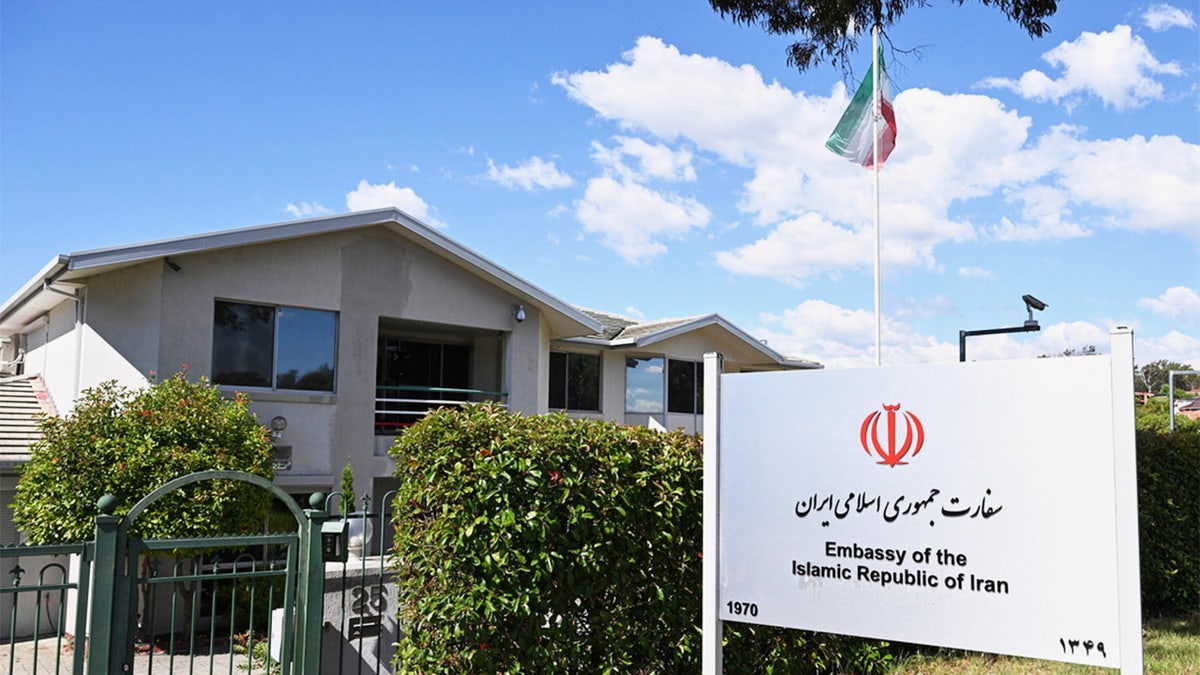
Imagine living in London, scrolling through Telegram, and seeing your embassy post a request for you to "give your body to be slain." It sounds like a scene from a dystopian thriller, but it's the current reality for the Iranian diaspora in the UK. This week, the British Foreign Office reached its breaking point, summoning Iran’s charge d'affaires, Seyed Ali Mousavi, after the embassy launched a recruitment campaign that can only be described as chilling.
The campaign, titled "Janfada" or "self-sacrifice," isn't just about patriotism. It’s an explicit call for Iranian expats to register their readiness to die for the homeland. Middle East Minister Hamish Falconer didn’t mince words when he hauled the envoy in, calling the rhetoric "completely unacceptable and inflammatory."
The Janfada campaign explained
Tehran’s "Janfada" initiative isn't a local London fluke. It’s part of a broader, state-sponsored drive that has reportedly seen over 14 million people register inside Iran. But bringing that recruitment drive to the streets of Kensington is a massive diplomatic gamble. The embassy's Telegram channel posted messages urging "brave and noble children of Iran" to be ready to sacrifice their lives rather than yield to the "enemy."
What makes this particularly dangerous is the context. We’re not just talking about poetry or symbolic gestures. The embassy provided a link to a consular services page where people could actually sign up. When a foreign mission on British soil starts acting like a military recruitment center for a "martyrdom" campaign, it stops being diplomacy and starts being a security threat.
Why the UK is losing its patience
The UK government's reaction was swift and sharp for a reason. For years, the Relationship between London and Tehran has been a tightrope walk. But recently, that rope has started to fray. The Foreign Office noted that the embassy must stop any communication that could be interpreted as "encouraging violence."
I’ve watched these diplomatic spats for years, and usually, they're handled with quiet, boring statements. Not this time. By summoning Mousavi, the UK is signaling that it won't tolerate the radicalization of its residents. Security experts are worried that this kind of "martyrdom" talk could inspire lone-wolf actors or lead to domestic unrest within the diaspora community itself.
A community divided and terrified
If you talk to Iranians living in London, the mood is a mix of anger and genuine fear. Many came to the UK to escape the very regime that’s now sliding into their DMs asking them to die. Protests outside the embassy have become a frequent sight, with many activists calling for the mission to be shut down entirely, labeling it a "house of terror."
On one hand, you have the regime’s supporters who see this as a legitimate call to defend against Western and Israeli pressure. On the other, you have a massive population of expats who see this as a direct threat to their safety in Britain. The embassy claims the campaign "does not promote hostility," but it’s hard to sell that line when your slogans involve giving up your body to be killed.
What this means for the future of UK Iran relations
Don't expect a "back to normal" anytime soon. This incident is just one piece of a much larger puzzle involving the IRGC, regional conflicts, and the ongoing crackdown on dissent within Iran. The UK is under increasing pressure to proscribe the IRGC as a terrorist organization—a move that would effectively end any hope of a functional diplomatic relationship.
For now, the British government is sticking to "summoning and condemning." But as the rhetoric from Tehran gets more desperate, the measures from London will likely get more restrictive.
If you’re following this story, keep an eye on how the UK handles the embassy's digital presence. If they continue to use Telegram and social media to bypass traditional diplomatic channels, we might see the first-ever "digital expulsion" of a diplomatic mission. For those in the diaspora, the advice is simple: stay vocal, stay safe, and remember that an embassy's job is to protect its citizens, not ask them to die.
Iran embassy recruitment controversy
This video provides a breakdown of how Iranian embassies globally are using social media to target the diaspora with sacrifice-themed messaging and the resulting international backlash.