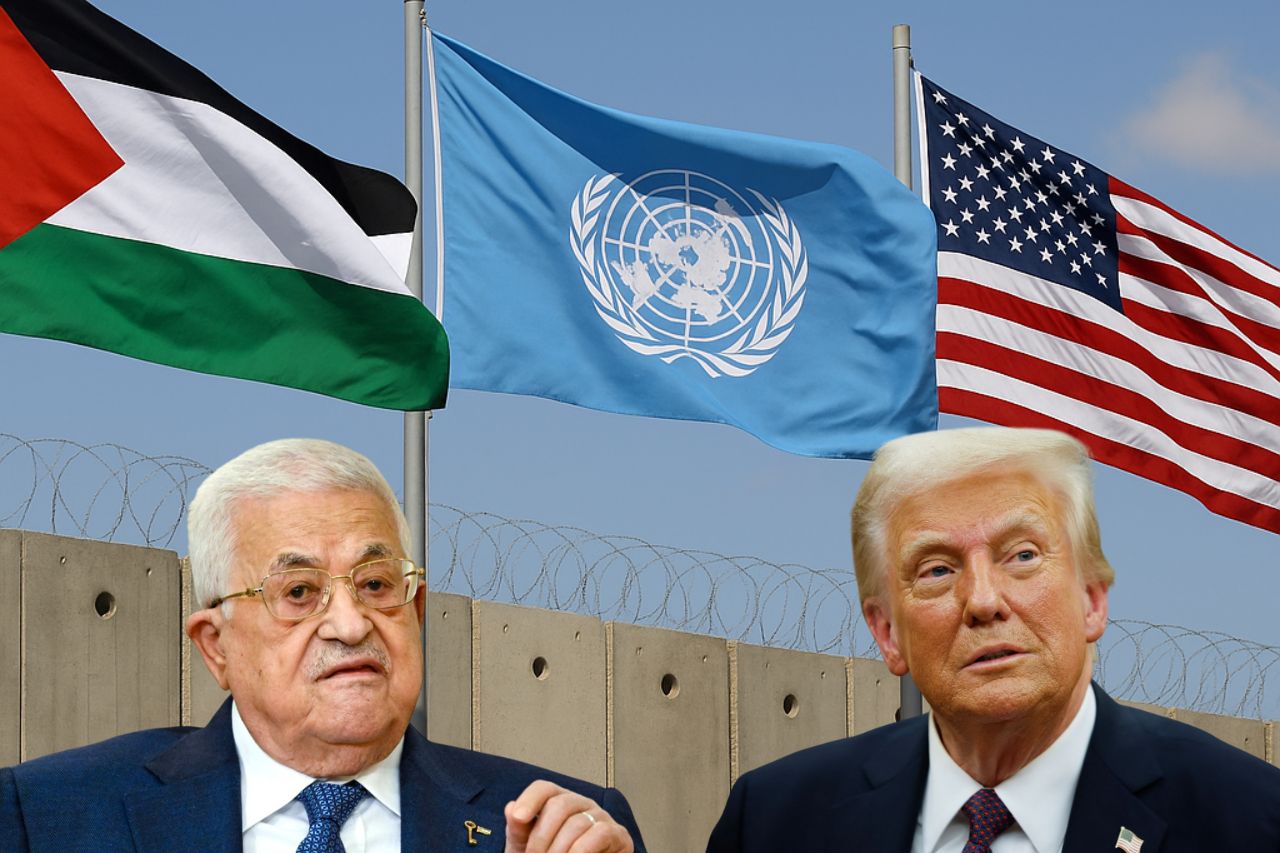
The headlines are screaming about a "fortress" in Islamabad. They want you to believe that shipping containers and paramilitary cordons are a sign of strength. They tell a story of JD Vance flying in to lay down the law to Tehran from a Pakistani podium. It is a neat, cinematic narrative of high-stakes diplomacy and iron-clad security.
It is also total fiction.
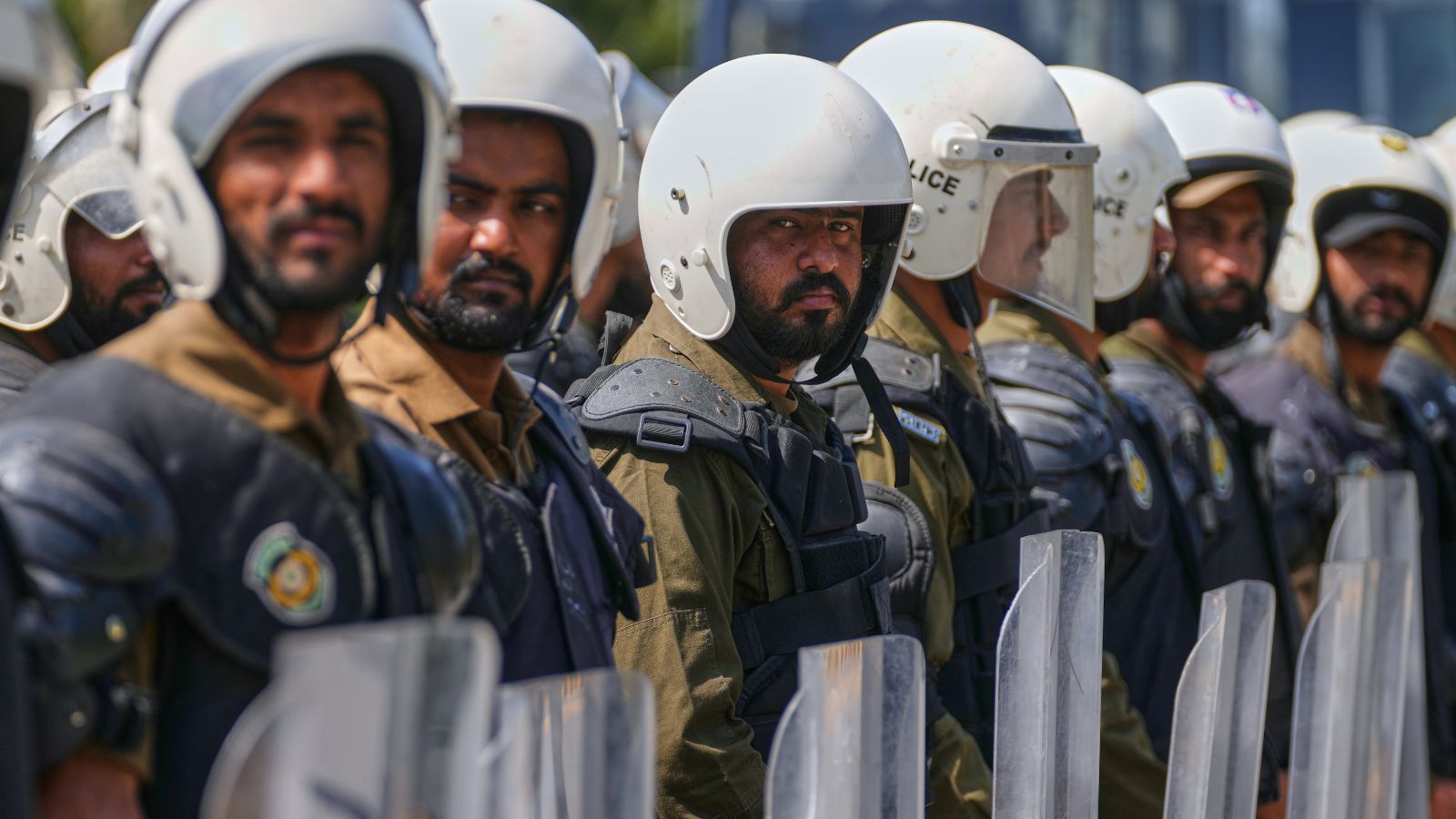
What we are actually seeing in Islamabad isn't a display of power. It is a frantic attempt to hide the fact that the Pakistani state has lost its grip on the streets. If you have to shut down a capital city of two million people just to host a meeting, you aren't in control. You are under siege by your own geography.
The media loves the optics of the "Red Zone." They focus on the barricades because it’s easier than analyzing the terminal decay of the regional security architecture. The "fortress" is a mask. Behind it is a desperate government trying to prove it can still provide a safe room for a superpower and a regional rival to bicker in.
The Vance Warning is a Paper Tiger
The mainstream press is obsessed with JD Vance’s rhetoric. They frame his arrival as a "warning to Tehran." This ignores the basic mechanics of how the IRGC (Islamic Revolutionary Guard Corps) operates.
Vance is playing to a domestic American audience. He is signaling toughness for the 24-hour news cycle. But in the corridors of power in Islamabad and Tehran, words are cheap. Iran does not respond to podium posturing; it responds to kinetic realities and economic leverage. Currently, the US has plenty of the former but is struggling with the surgical application of the latter in a multipolar environment.
I have spent years watching these diplomatic "showdowns." The pattern is always the same. A high-ranking official arrives, the host country shuts down the internet and the roads to prevent "incidents," and a joint statement is issued that says absolutely nothing.
The real story isn't the warning. It’s the venue. Why Islamabad? Because Pakistan is the only place left where both sides can still pretend the old rules of engagement apply. It’s a neutral ground by necessity, not by choice. Pakistan is so deeply indebted to the IMF—and by extension, Washington—while remaining physically tethered to Iranian energy interests that it has become the world's most stressed-out concierge.
The Shipping Container Fallacy
There is a technical term for the "fortress" strategy: security theater.
The use of shipping containers to block roads is the most primitive form of urban control. It is inefficient, it destroys local commerce, and it is easily bypassed by anyone with a basic understanding of Islamabad’s back-alleys.
- The Logistical Nightmare: By freezing the capital, the government is hemorrhaging millions in daily productivity. For a country with a debt-to-GDP ratio hovering near 70%, this is fiscal suicide.
- The Intelligence Failure: If your intelligence services are effective, you don't need to block the roads. You pick up the threats before they reach the city limits. Massive lockdowns are an admission that "we don't know who is coming for us."
If you are an investor looking at these images and seeing "stability," you are reading the tea leaves upside down. Stability looks like a quiet street where a diplomat can walk to a cafe. Instability looks like a city buried under corrugated steel.
Tehran is Not Listening to Islamabad
The competitor pieces suggest Pakistan is a "bridge." This is a fundamental misunderstanding of the Tehran-Islamabad-DC triangle.
Tehran views Pakistan through the lens of the Sistan-Baluchestan border conflict and the Jaish al-Adl insurgency. They don’t see a mediator; they see a neighbor that cannot keep its own house in order. When Vance warns Tehran from Pakistani soil, it actually undermines Pakistani sovereignty. It makes the host look like a megaphone for Western interests rather than a neutral arbiter.
The logic being sold to you is that "pressure works." History suggests otherwise. Every time a Western leader uses a neighboring Islamic republic as a stage for threats, it hardens the resolve of the hardliners in the target country. It provides them with the domestic "foreign interference" narrative they need to justify their own internal crackdowns.
The Debt Trap Behind the Diplomacy
Let’s talk about the money, because no one else is.
Pakistan isn't hosting this "summit" out of a sense of global duty. They are doing it for the optics of relevance. They need the US to stay invested in their survival so the IMF checks keep clearing. They need Iran to keep the border trade functional so the local economy in Balochistan doesn't completely implode.
This is a high-wire act performed by a country with no net.
I’ve sat in rooms with the analysts who calculate the "sovereign risk" of these events. Their takeaway isn't about Vance’s speech. It’s about the fact that the Pakistani rupee fluctuates every time a container is moved. The real "fortress" being built is a psychological one—an attempt to convince the world that the state hasn't been hollowed out by decades of mismanagement and proxy warfare.
Stop Asking if the Talks Will Work
People keep asking: "Will this lead to a breakthrough?"
Wrong question.
The talks are the "distraction." The "event" is the maintenance of the status quo. Neither the US nor Iran wants a full-scale war right now, but both need to look like they are winning the cold war. Pakistan is providing the stage for this theater.
The real question is: "How long can Pakistan afford to be the stage?"
The costs of these security measures are internal. Every time you lock down Islamabad, you alienate the professional class. You disrupt the supply chains. You remind the populace that their movement is a gift from the military, not a right.
The Strategic Miscalculation of "Toughness"
Vance’s strategy—and the media’s sycophantic reporting of it—assumes that Iran is a rational actor that fears a "tough" American stance.
In reality, the Iranian leadership thrives on this friction. It validates their "Arrogant Powers" thesis. By bringing the fight to Pakistan’s doorstep, Vance is actually giving Tehran more leverage in the region. He is forcing Pakistan to choose sides in a way that Pakistan simply cannot afford to do.
If you want to understand the region, stop looking at the podiums. Look at the trade balance. Look at the energy pipelines that aren't being built. Look at the youth unemployment rate in Rawalpindi.
The Reality of the "Fortress"
When you hear "fortress," think "bunker."
A fortress is a base for outward projection of power. A bunker is where you go when you’ve lost the field. Islamabad today is a bunker. The elites are hunkered down, protected by layers of steel and soldiers, while the rest of the country deals with 30% inflation and a crumbling power grid.
The "fortress" isn't there to keep the enemies out. It's there to keep the reality of the country's collapse from reaching the visiting dignitaries. It is a controlled environment designed to produce a specific set of photographs for the international wire services.
A New Framework for the Region
If we want to actually move the needle, we have to stop this cycle of performative diplomacy.
- De-securitize the Capital: If a state cannot host a visitor without shutting down its economy, it should host them at a remote airbase. Stop pretending the city is a functioning capital during these visits.
- Economic Pragmatism over Rhetoric: Vance should be talking about regional trade integration, not just "warnings." You can't eat a warning. Iran’s influence in Pakistan is economic and cultural; countering it requires a superior economic offer, not just more soldiers on the street.
- Acknowledge the Proxy Reality: Both the US and Iran use Pakistan as a playground for their interests. Until that is addressed, these summits are just pauses between rounds of a fight that everyone else is paying for.
The media will keep giving you the "Fortress Islamabad" story because it’s easy to write. It has heroes, villains, and clear visuals. But if you want to understand why the region remains a tinderbox, you have to look at the cracks in the walls of that fortress.
The shipping containers will eventually be moved. The soldiers will go back to their barracks. The "warnings" will fade into the noise of the next news cycle. And Pakistan will still be broke, Iran will still be defiant, and the "fortress" will be revealed for what it always was: a temporary cage for a dying status quo.
Stop buying the narrative of strength. The more containers they pile up, the weaker they actually are.