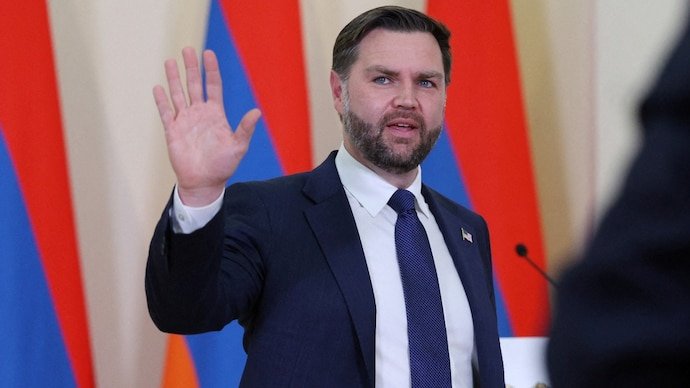
Vice President JD Vance touched down at Nur Khan Air Base on Saturday morning, stepping off Air Force Two into an Islamabad locked down by paramilitary cordons and the weight of a potential global catastrophe. He arrives not as a ceremonial figurehead, but as the lead architect for a high-stakes attempt to turn a fragile, six-week-old war into a permanent peace. The mission is blunt: force Iran to reopen the Strait of Hormuz and dismantle its nuclear ambitions, or face the "annihilation" President Trump has publicly threatened.
For Vance, this is the definitive test of his political life. While the administration’s more frequent faces, like Elon Musk or Marco Rubio, have dominated the domestic headlines, Vance has been handed the most toxic file in the West Wing. The Vice President, a man whose political identity was forged in skepticism of "forever wars," now finds himself trying to prevent one from consuming the global economy. Before departing, he issued a sharp warning that the U.S. negotiating team would not be "receptive" to stalling tactics.
The Mediterranean Chasm
The primary obstacle is not just what is happening in Tehran, but what is happening in Lebanon. A glaring discrepancy in the ceasefire terms threatens to derail the talks before the first file is opened. Iran and the Pakistani mediators insist the current two-week truce includes a total halt to Israeli operations against Hezbollah. Washington and Tel Aviv flatly disagree.
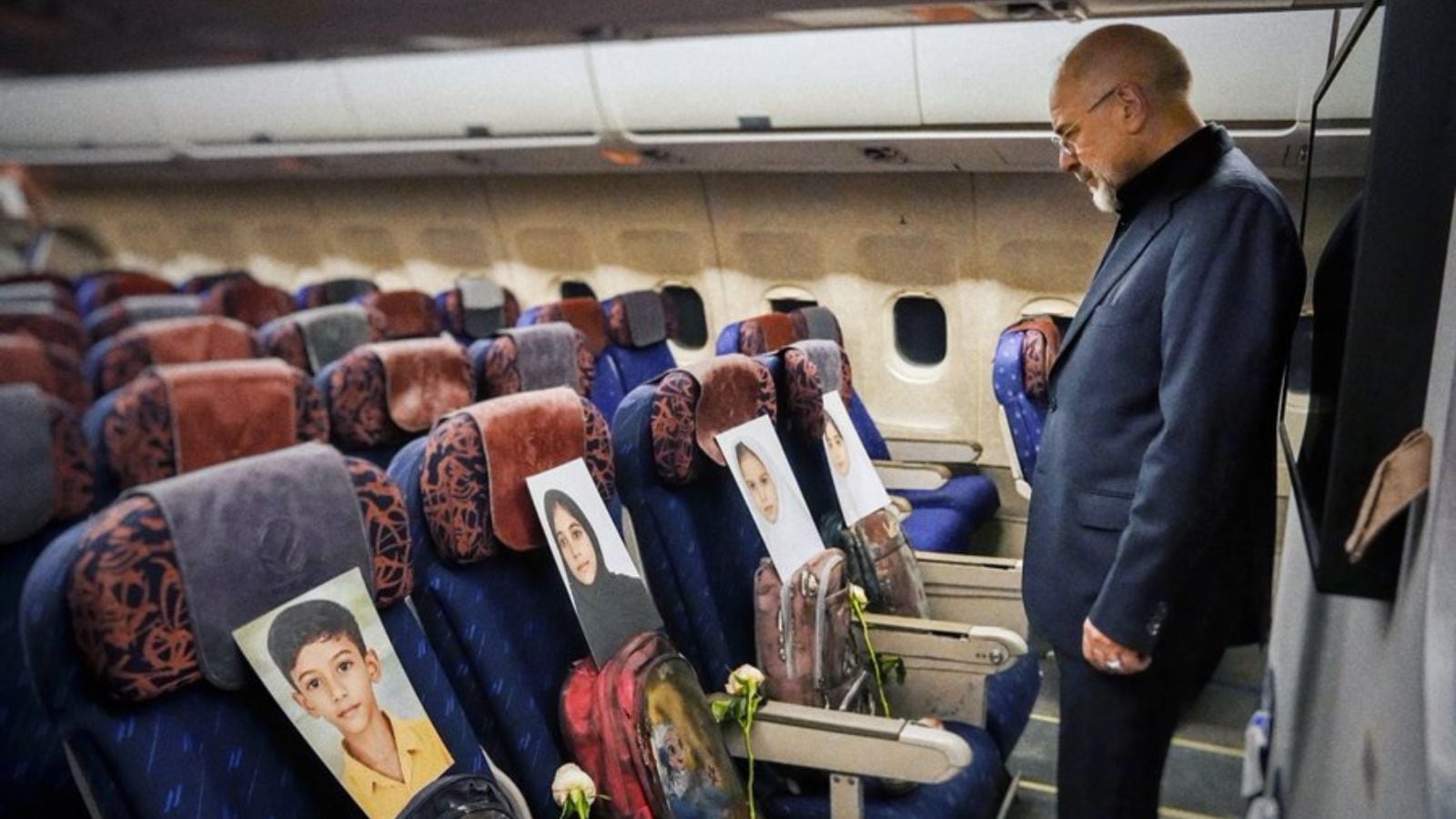
While Vance was in the air, Israeli "Operation Eternal Darkness" strikes continued to pound southern Lebanon. This isn't just a semantic dispute over a document; it is a fundamental breakdown in the "good faith" Vance claimed to be seeking. Iran’s delegation, led by Parliament Speaker Mohammad Bagher Ghalibaf and Foreign Minister Abbas Araghchi, has signaled they may refuse to sit at the table until the bombing stops and frozen assets are released.
Why Pakistan?
The choice of Islamabad as a venue is a calculated necessity rather than a preference. Pakistan remains one of the few nations capable of speaking to both the revolutionary guard in Tehran and the populist hawks in Washington. General Asim Munir, Pakistan’s military chief, has spent weeks acting as a back-channel conduit, relaying the 15-point U.S. proposal that demands a total freeze on Iran's missile programs.
Pakistan is looking for a diplomatic rebrand, but the risks are immense. If the talks fail on their soil, the fallout won't just be diplomatic. The global economy is already reeling from the closure of the Strait of Hormuz—a waterway responsible for 20% of the world’s oil and liquefied gas. With the U.S. congressional elections looming in November, the Trump administration needs the oil flowing again to stabilize domestic fuel prices.
The Negotiating Room
Vance is not alone. Beside him are Steve Witkoff and Jared Kushner, a team that signals this isn't a traditional State Department mission. This is a "deal-maker" delegation. They are looking for a grand bargain:
- The Reopening of Hormuz: The non-negotiable American demand.
- Nuclear De-escalation: A return to strict oversight, far beyond the original 2015 accords.
- Sanctions Relief: The only carrot big enough to move Tehran, provided they can prove they have reined in their regional proxies.
The skeptics, however, point to Vance’s lack of diplomatic seasoning. A former Marine and a two-year senator, he is navigating a labyrinth of Persian diplomacy that has swallowed more experienced statesmen. But his supporters argue his "America First" restraint is exactly what makes him a viable interlocutor. He isn't a neoconservative looking for regime change; he is a realist looking for a way out.
The Price of Failure
If Vance returns empty-handed, the path leads back to the cockpit. The President has already drafted the narrative on Truth Social: "The only reason they are alive today is to negotiate!" It is a chilling reminder that the "open hand" Vance offered at the airport has a heavy fist behind it.
The two-week ceasefire clock is ticking. Every hour spent arguing over the Lebanese front or the technicalities of asset releases is an hour closer to the resumption of a conflict that has already seen strikes near Isfahan and Tehran. The Islamabad talks are the final exit ramp before a localized war turns into a regional funeral.
Vance’s task is to find a middle ground that doesn't exist yet, between an Iranian leadership that feels it has nothing left to lose and an American president who refuses to lose. He must convince Tehran that the threat of total destruction is real, while convincing Washington that a partial win is enough. He has exactly nine days left to do it.
The city of Islamabad remains silent, the streets emptied by a public holiday and a two-mile security perimeter. Inside the Serena Hotel, the two delegations are in the same building for the first time in decades. The world is waiting for the first sign of movement, but for now, the only thing moving is the clock.