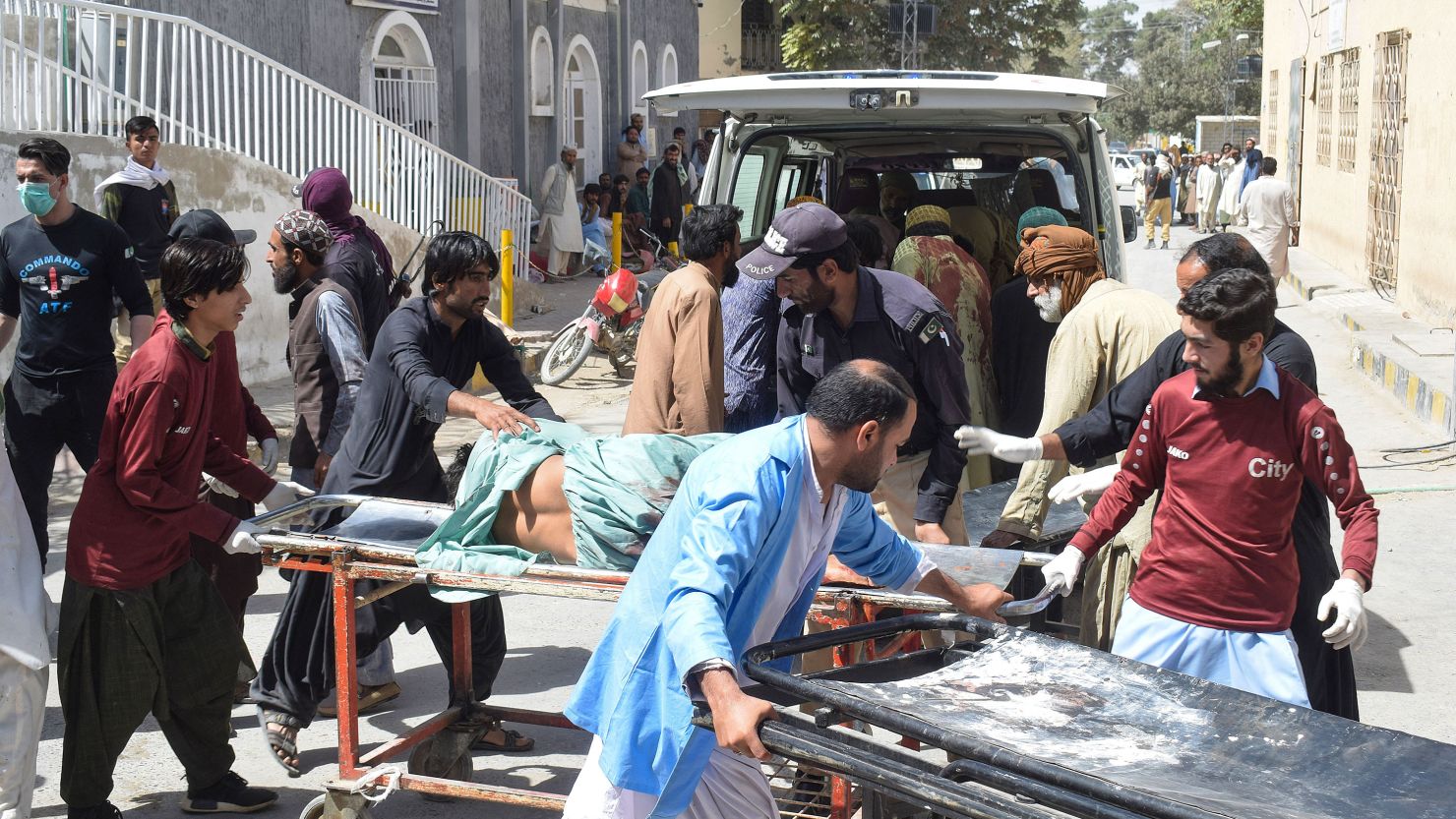
Two men die in a hail of bullets outside a place of worship in Italy. The headlines follow a weary, predictable script. They focus on the "shocking" nature of the violence, the "mystery" of the gunman, and the grief of the diaspora. It is a shallow, surface-level autopsy of a tragedy that is anything but a mystery.
If you think this is just a random act of street crime or a localized grudge, you are looking at the smoke while the building is already ash. This isn't a "news item." It is the inevitable byproduct of a brutal, underground economic machine that powers Europe’s dinner tables.
The media treats the death of Indian migrants in Italy as a tragic anomaly. I have tracked these labor patterns for years. The real story isn't the shooting; it is the system that made these men disposable long before a trigger was pulled.
The Caporalato Shadow Economy
We need to talk about Caporalato. Most people outside of Italy have never heard the term, yet they benefit from it every time they buy "Made in Italy" produce. It is an illegal recruitment system where "caporali" (gangmasters) act as intermediaries between farm owners and migrant workers.
This is not a business; it is a modern feudal state. These gangmasters control everything: transport to the fields, housing in dilapidated shacks, and even the "right" to work. They take a massive cut of the meager wages, often leaving workers with less than 3 Euros an hour.
When you see violence outside a gurdwara in the Pontine Marshes or the northern industrial hubs, you aren't seeing a religious conflict. You are seeing the friction of an illicit labor market. Competition for control over these human pipelines is fierce. Blood is spilled not over theology, but over the logistics of exploitation.
The Myth of the "Safe" European Dream
The competitor's narrative suggests that these men were simply "leaving a gurdwara" when tragedy struck. This framing creates a sense of random victimization. It ignores the reality that for thousands of Indian migrants—specifically from the Punjab region—the gurdwara is the only social safety net they have because the Italian state has utterly failed them.
The Italian agricultural sector relies on roughly 400,000 undocumented or exploited workers. Without them, the economy collapses. Yet, the legal framework, such as the Bossi-Fini law, ties residency permits to work contracts. This creates a "catch-22" that hands all the power to the employer.
If you complain about safety or the fact that a gangmaster is skimming your pay, you lose your job. If you lose your job, you lose your legal status. If you lose your status, you are deported. This isn't "organized crime" in the way Hollywood depicts it; it is a state-sanctioned vulnerability.
Why We Focus on the Gunman and Not the System
Focusing on the gunman is a convenient distraction. It allows the consumer and the politician to feel a sense of justice once an arrest is made. "We caught the bad guy," they say.
But the "bad guy" is a symptom. The real culprits are:
- The Supply Chain: Supermarkets that demand rock-bottom prices for tomatoes, olives, and dairy.
- The Regulatory Blindness: Authorities who look the other way because cheap labor keeps the "Made in Italy" brand competitive globally.
- The Migration Trap: A system that lures men with the promise of European wages but delivers them into the hands of predatory middlemen.
In my experience, when violence erupts in these communities, it is often tied to "debt bondage." Imagine a scenario where a migrant pays 15,000 Euros to a smuggler or a "travel agent" in Punjab to get to Italy. They arrive in debt. They work for years just to break even. If the "caporali" decide to hike their fees or if a worker tries to bypass the middleman, the response is rarely a legal filing. It is a warning. Or a bullet.
The Sikh Community as an Economic Target
The gurdwara is the heart of the Indian community in Italy, but it is also where the labor brokers find their marks. It is where the "caporali" observe who is working, who is talking to the authorities, and who is trying to organize for better rights.
By framing this as a "shooting at a gurdwara," the media creates a distance between the event and the listener. It feels like "their" problem. It is "their" violence.
The truth is more uncomfortable: that violence is fueled by the salad in your fridge.
The Flaw in the "Illegal Immigration" Argument
The common refrain from the right-wing establishment is that "illegal immigration" causes this crime. This is a fundamental misunderstanding of the mechanics at play. The crime isn't caused by the migrants' presence; it is caused by the illegality of their status which prevents them from seeking police protection.
If these workers had portable visas not tied to a single employer, the "caporali" would lose their leverage overnight. The violence exists because the shadows are deep enough to hide it.
The Hard Truth About Integration
Italy has one of the oldest populations in the world. It needs this labor. Yet, it refuses to integrate the people providing it. This creates an isolated underclass. When you have thousands of men living in rural isolation, disconnected from the local culture and legal system, they create their own parallel systems of justice and power.
The shooting in Italy wasn't an "attack on a gurdwara." It was a cold, calculated transaction in an economy that values a crate of tomatoes more than the man who picked them.
We don't need more "thoughts and prayers" for the victims. We need a total dismantling of the agricultural middleman system. We need to stop pretending that cheap food doesn't have a human cost. Until the "Made in Italy" label includes a guarantee that the worker wasn't owned by a gangmaster, these headlines will keep repeating.
Stop looking for the gunman. Look at the price of your groceries.