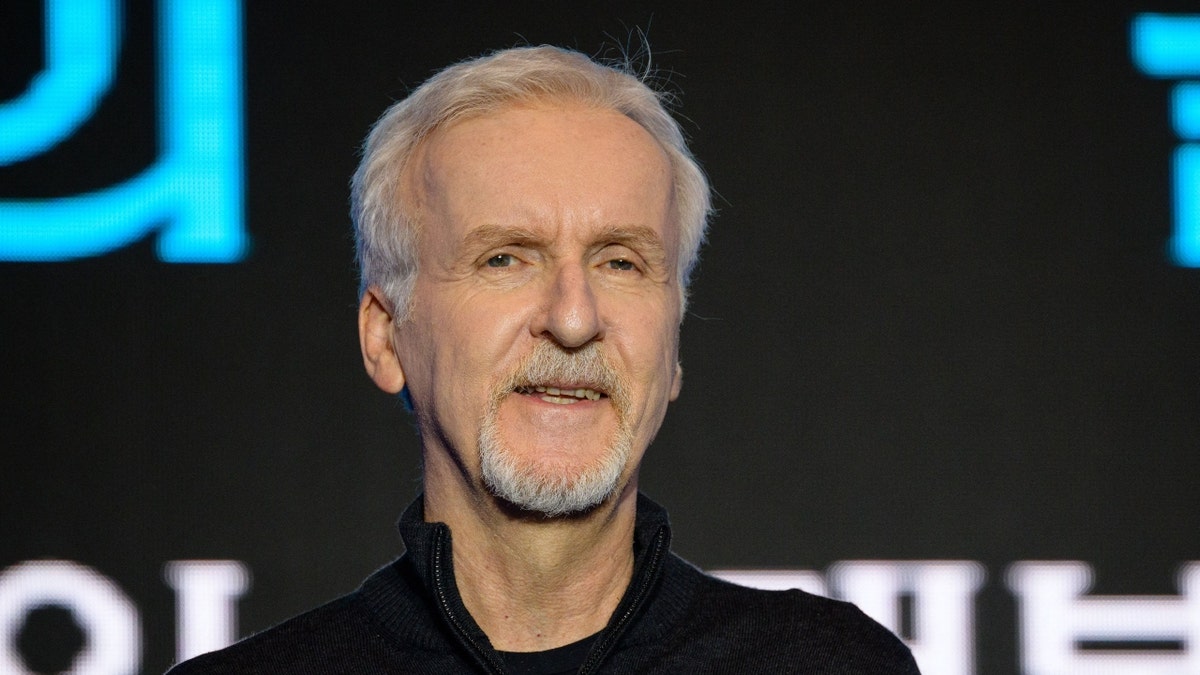
James Cameron is a master of the box office, but his understanding of market dynamics is stuck in 1997.
The leaked letter to antitrust regulators regarding the potential Netflix-Warner Bros. Discovery (WBD) merger is a classic case of a legacy titan shouting at a tide he doesn't understand. Cameron argues that a "monopoly on eyeballs" will stifle creativity. He claims that consolidating the world’s biggest streaming library with the world’s most aggressive tech platform creates an unassailable gatekeeper.
He’s dead wrong.
The real threat to cinema isn't a massive merger; it’s the fragmentation and fiscal rot that happens when these companies are forced to stay small, weak, and desperate. We are witnessing the death of the mid-budget film and the erosion of quality precisely because the market is too cluttered with "zombie streamers" that can't afford to take a swing.
The Myth of the Independent Gatekeeper
The "lazy consensus" among Hollywood purists and Washington lawmakers is that more players equal more diversity. They look at a Netflix-WBD behemoth and see a villain. They should be looking at the balance sheet.
In a world where Apple and Amazon treat content as a loss leader to sell iPhones and toilet paper, traditional studios like Warner Bros. are fighting with one hand tied behind their backs. If you block them from scaling, you aren't protecting the indie filmmaker. You are handing the keys to Big Tech.
Antitrust hawks operate on a 20th-century definition of "monopoly." They think in terms of theater chains and physical distribution. In 2026, the monopoly isn't who owns the movie; it's who owns the operating system. If WBD can't merge with a distribution powerhouse like Netflix, they will eventually stop making movies like Dune or The Batman because the math no longer works for a standalone content shop.
Why Scale is the Only Way to Save Quality
People ask: "Won't a merger lead to less content?"
The answer is yes. And that is exactly what we need.
We have spent the last five years drowning in "content"—gray, uninspired, algorithmically driven filler designed to pad out sub-par streaming services. When every studio tried to launch their own "plus" service, they diluted the talent pool and the marketing spend.
A Netflix-WBD powerhouse doesn't need to produce 500 mediocre shows to keep churn low. With the combined library of HBO, CNN, and DC, plus the Netflix reach, they can finally afford to stop the volume game.
I have seen studios burn $200 million on marketing for a film that never stood a chance because it was buried on a platform no one wanted to subscribe to. Consolidation allows for the "tentpole strategy" to actually function. It provides the capital to fund the weird, the risky, and the expensive.
If you want the next Avatar, you need a company with a balance sheet big enough to survive a $400 million failure. Small, fragmented studios don't take those risks. They play it safe. They make The Nun 4.
Dismantling the Consumer Choice Argument
Lawmakers love to claim they are protecting the consumer's wallet. They argue that if Netflix and WBD merge, subscription prices will skyrocket.
Let’s look at the reality. Right now, the average household is paying for five or six different subscriptions to get the variety they used to get from a single cable package. That isn't "choice." It's a digital tax on navigation.
Merging these entities simplifies the user experience. It creates a single, high-value destination. The "brutal honesty" here is that consumers would rather pay $30 for one service that has everything than $15 each for four services that have 20% of what they want.
The antitrust intervention is actually creating a "hidden cost" of fragmentation. Every time a regulator blocks a merger, they are essentially forcing you to keep track of three more passwords and two more billing cycles.
The Creative Stagnation Trap
Cameron’s letter suggests that a lack of competition will make streamers lazy.
This ignores the fundamental shift in how we consume media. The competition isn't between Netflix and WBD. The competition is between a two-hour movie and a 15-second TikTok.
Hollywood is currently losing the war for attention. By preventing these companies from reaching a critical mass, regulators are ensuring that Hollywood stays too weak to compete with the creator economy.
When a company is in "survival mode"—which WBD has been in for years—they don't hire the next Scorsese. They hire the cheapest director who can hit a deadline. They cut across the board. They "vault" finished movies for tax write-offs.
Consolidation ends the survival mode. It allows for a long-term vision.
The Risk Nobody Talks About
The contrarian view has a downside, and we have to be honest about it: The "Middle Class" of Hollywood will vanish.
If you are a journeyman director making $15 million thrillers that are "fine," your job is at risk. A consolidated giant doesn't need "fine." They need "spectacular" or "cheap."
But for the health of the industry, this is a necessary culling. The bloat of the 2010s gave us a decade of forgettable media. If the Netflix-WBD deal goes through, the bar for entry goes up. You have to be better to get noticed.
Stop Protecting the Past
James Cameron wants to protect a version of the industry where a few powerful men in suits at seven different studios decided what the world saw. That world is dead.
The new world is dominated by hardware and data. If we don't allow the content creators to merge into giants, they will simply become "app icons" on an Apple or Google interface, taxed 30% on every transaction until they go bankrupt.
Antitrust regulators are fighting the last war. They are trying to prevent a monopoly in an industry that is actually suffering from a terminal case of fragmentation.
If you want cinema to survive, you have to let the giants merge. You have to let the market consolidate until there are only two or three massive players left who are actually capable of out-spending the tech platforms.
Anything else is just managed decline disguised as consumer protection.
Stop listening to directors who already have their billions. They aren't worried about the future of the medium; they are worried about their leverage in a room that is getting smaller every day.
Let the merger happen. Burn the "content" to the ground so we can start making movies again.


