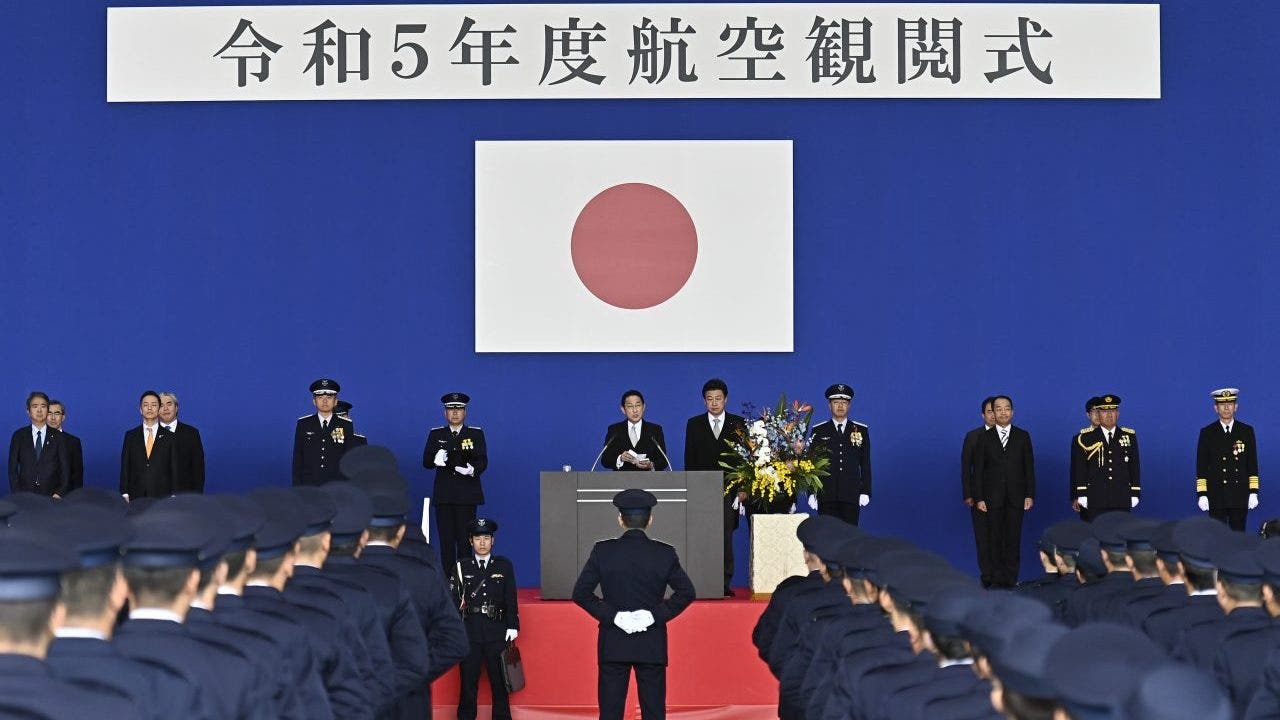
Japan just fundamentally changed how it talks to the rest of the world. For decades, "Made in Japan" meant reliable sedans and high-end gaming consoles. It didn't mean lethal weaponry. That era officially ended on April 21, 2026, when the Japanese government scrapped the rigid restrictions that essentially locked its defense industry in a glass box since the end of World War II.
This isn't a minor policy tweak. It's a seismic shift from post-war pacifism to what the government calls power projection. If you've been following the tension in the Indo-Pacific, you know the stakes. Tokyo isn't just watching from the sidelines anymore; it’s looking to become a major player in the global arms trade.
The Old Rules vs The New Reality
For years, Japan lived under the "Three Principles on Transfer of Defense Equipment and Technology." Basically, they could only export gear for five specific non-combat areas: rescue, transport, warning, surveillance, and minesweeping. If it could kill, it couldn't leave the country.
That's gone. The new framework, approved by Prime Minister Sanae Takaichi’s cabinet, simplifies everything into two buckets: "weapons" and "non-weapons." While they still say they won't sell to countries currently in active conflict, the loophole is now massive. Exceptions can be made for "special circumstances" that serve Japan's national security.
It's a bold move. The government realized that keeping their defense companies—giants like Mitsubishi Heavy Industries—restricted to a domestic-only market was slowly killing them. Without international sales, the cost per unit stays sky-high, and innovation stalls. By opening the door to the global market, Japan is trying to save its domestic industry while thickening its ties with allies.
Why This Matters To You And The Global Market
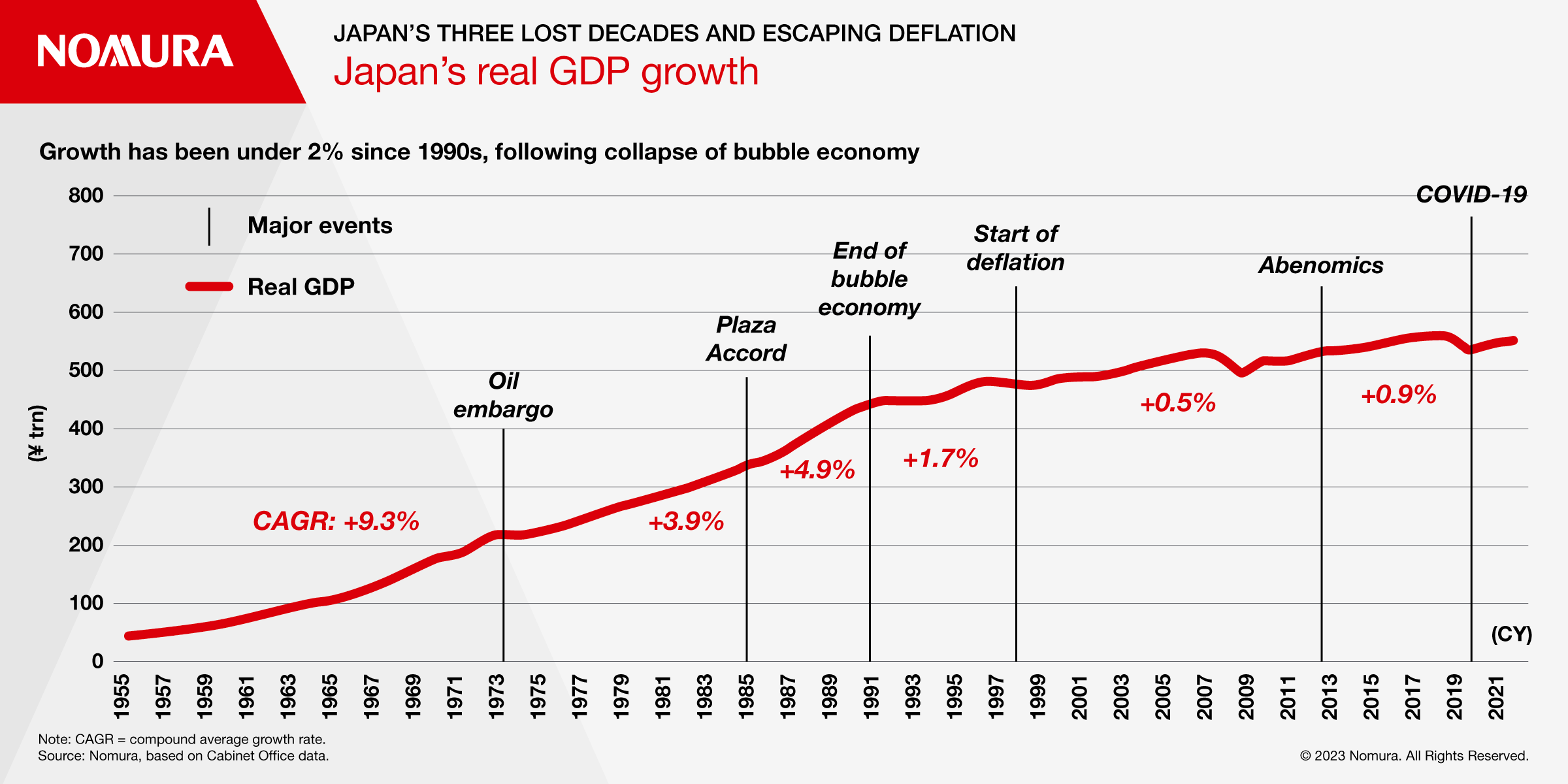
You might wonder why a change in Japanese law matters if you aren't a defense contractor. Honestly, it changes the balance of power in Asia. Japan is moving its defense budget toward $58 billion (¥9.04 trillion) for the 2026 fiscal year. They're on a sprint to reach 2% of their GDP by 2027.
When a country with Japan’s technical precision enters the arms market, everyone else has to pay attention. We aren't just talking about selling old trucks. We're talking about:
- Next-gen fighter jets: The Global Combat Air Programme (GCAP) with the UK and Italy is moving fast. They just signed a £686 million development contract with a new joint venture called Edgewing.
- Missile Co-production: Japan is already working with the U.S. to build Patriot PAC-3 missiles and Advanced Medium-Range Air-to-Air Missiles (AMRAAM).
- Counter-strike capabilities: Japan is dumping trillions of yen into stand-off defense and "SHIELD" (Synchronized, Hybrid, Integrated and Enhanced Littoral Defense).
The U.S. loves this. Washington has been pushing Tokyo to take more responsibility for regional security for years. By producing missiles in Japan, the U.S. can refill its own stocks that have been depleted by the war in Ukraine. It’s a win-win for the alliance, even if it makes neighbors like China and North Korea incredibly nervous.
The Challenges Japan Faces In The Global Arms Race
Don't think Japan is going to dominate the market overnight. They're decades behind the U.S., France, and the UK in terms of export experience. Japanese defense firms are used to having one customer: the Japanese Ministry of Defense. They don't have the sales teams, the global logistics, or the aggressive marketing chops yet.
There's also the "peace constitution" problem. A huge chunk of the Japanese public is still very uncomfortable with the idea of Japan profiting from war. Protests are common. Critics argue this move marks the "remilitarization" of a country that promised never to maintain war potential. Prime Minister Takaichi has to walk a tightrope—funding a massive military expansion while keeping a skeptical public on her side.
Then there's the price tag. Japanese equipment is notoriously expensive. Because they've lacked "economies of scale," a Japanese-made rifle or tank can cost significantly more than a comparable American or German version. Opening exports is meant to fix this, but it’ll take years of high-volume sales to bring those costs down to competitive levels.
What Happens Next
If you're an investor or a policy wonk, watch the GCAP fighter jet project. That’s the litmus test. If Japan can successfully co-develop and export a sixth-generation fighter by 2035, they're a permanent top-tier arms dealer. If it gets bogged down in bureaucracy or funding disputes, the whole strategy might crumble.
For now, the momentum is real. Japan is integrating its military command with the U.S. more deeply than ever before. They're buying 36 F-15EX aircraft to replace aging fleets and turning their "helicopter destroyers" into actual aircraft carriers for F-35Bs.
Keep an eye on the "special circumstances" clause in the new export rules. That’s where the real action will be. It’s the legal mechanism that will eventually allow Japan to send lethal aid to partners in high-tension zones without technically violating their ban on "active conflict" exports.
Japan is no longer just a "shield" for U.S. interests in the Pacific. It's becoming a forge. The door is open, and there's no going back. If you want to understand where the Indo-Pacific is heading, stop looking at just the diplomats and start looking at the shipping manifests leaving Japanese ports.