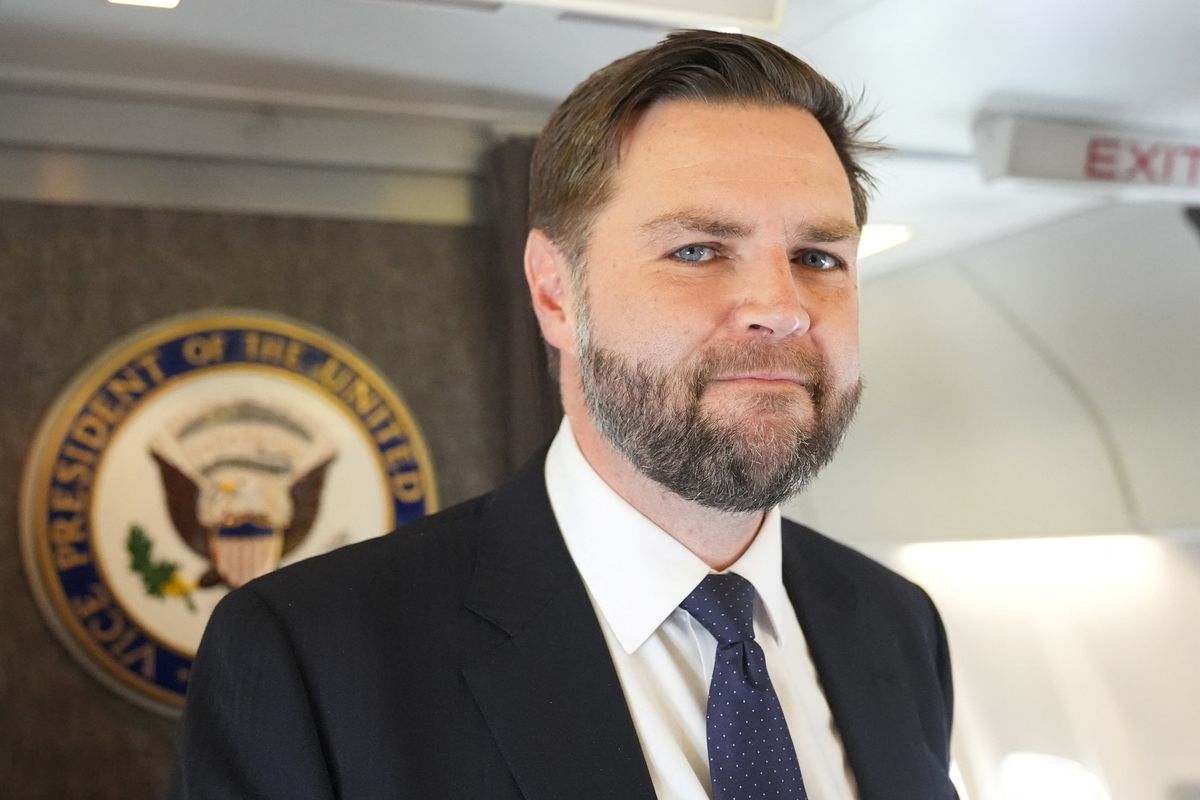
Sending your Vice President to fix a war you've basically declared is the ultimate political stress test. In April 2026, JD Vance isn't just a heartbeat away from the presidency; he's the one sitting in a windowless room in Islamabad for 21 straight hours, trying to keep the world from blowing up.
While Donald Trump handles the "big picture" from the White House—which usually involves aggressive social media posts and threats of total naval blockades—Vance is the one stuck with the dirty work. He's been handed what some call a poisoned chalice: the impossible task of selling "America First" to a world that’s increasingly tired of buying it.
The 21 hour marathon in Pakistan
The recent breakdown in talks between the US and Iran wasn't just another diplomatic hiccup. It was a clear look at how the Trump-Vance dynamic actually functions. Vance led the delegation, flanked by Steve Witkoff and Jared Kushner, attempting to force Tehran into a corner regarding their nuclear program.
The goal? A total Iranian surrender on nuclear enrichment. The reality? A stalemate that ended with Vance boarding Air Force Two at 7:00 AM, looking exhausted and telling reporters that Iran simply wouldn't budge.
It’s a pattern we’re seeing more often. Trump sets a maximalist goal—like a complete blockade of the Strait of Hormuz—and sends Vance to make it happen. When it doesn't work, Vance is the face of the impasse. He's the one who has to stand at the podium and explain why the "art of the deal" didn't yield a signature.
Why the VP is the new face of American restraint
Vance has spent the last year trying to turn Trump’s gut instincts into a legitimate academic framework. He isn't just repeating slogans. He's arguing that the US is physically incapable of being the world's policeman because we simply don't make enough bullets.
At the Munich Security Conference, Vance was blunt with European leaders. He told them the US can't support Ukraine, the Middle East, and East Asia all at once. It’s not a matter of money; it’s a matter of manufacturing.
- Patriot Interceptors: Ukraine uses in a month what the US builds in a year.
- Artillery Shells: Back orders are now stretching past five years.
- Manpower: He’s argued that no amount of money can fix the lack of boots on the ground in Eastern Europe.
This "strategic logic" makes Vance the perfect messenger for a retreat. He doesn't frame it as losing; he frames it as "discipline." But for the allies on the receiving end of this message—like the ones watching Russian drones drift into Polish airspace—it feels a lot like being left out in the cold.
The internal friction nobody talks about
It’s easy to assume Vance and Trump are in total lockstep, but the cracks are there if you look. Trump is a creature of leverage and immediate results. Vance is a "restrainer" who thinks in decades.
Last year, Vance and his network of allies in the Pentagon reportedly pushed to suspend intelligence-sharing with Ukraine to force a peace deal. Trump initially pushed back, preferring the optics of being a "tough guy" provider of weapons. Eventually, Trump corrected course to align with Vance’s more isolationist stance, but the friction remains.
Vance is essentially playing the role of the "adult in the room" for a specific brand of populist foreign policy. He provides the intellectual architecture for what Trump does by instinct. But that role comes with a massive target on his back. If a blockade leads to $10-a-gallon gas or a regional war, Vance is the guy who was "in the room" when the diplomacy failed.
Lessons from the front lines of 2026 diplomacy
If you’re watching this play out, don't get distracted by the tweets. The real movement is happening in these grueling, failed negotiations. Vance is building a donor network in Silicon Valley and a political identity as the man who tried to "bring the boys home" while maintaining American dominance.
Here is what’s actually happening:
- Outsourcing Failure: Trump uses Vance for the high-risk missions where success is unlikely. If Vance wins, Trump takes the credit. If Vance fails, the "diplomacy" was at fault, not the President.
- Manufacturing over Ideology: The administration has shifted the conversation from "democracy vs. autocracy" to "supply chains vs. scarcity."
- The 2028 Play: Vance isn't just acting as VP. He's auditioning for the top spot by showing he can handle the most toxic portfolios in the government.
What comes next
Don't expect a sudden breakthrough with Iran or a warm embrace from NATO. The "poisoned chalice" is Vance's permanent reality for the next three years. He'll keep flying to neutral ground to deliver hard truths to allies and impossible demands to enemies.
If you want to understand where US policy is headed, stop looking at the White House press briefings and start looking at Vance's travel schedule. He's the one doing the heavy lifting, and so far, the weight is only getting heavier. Keep an eye on the Strait of Hormuz. If that blockade stays in place, Vance's next trip to the Middle East will be the most dangerous one yet.