You’ve likely noticed the price at the pump creeping up lately, or maybe you've seen the headlines about the ongoing conflict in the Middle East. It's a mess. To deal with the fallout, President Trump just signed a 90-day extension to a critical shipping waiver. This isn't just bureaucratic paperwork; it’s a direct attempt to stop energy prices from spiraling out of control while the Strait of Hormuz remains a ghost town for tankers.
Basically, the President is sidelining a century-old law known as the Jones Act. If you aren't a maritime geek, here is the deal: the Jones Act usually mandates that any goods shipped between two U.S. ports must be on ships that are American-built, American-owned, and American-crewed. It’s meant to protect domestic jobs and national security. But when you’re in the middle of a global energy crisis and the "War in Iran" is choking off 13 million barrels of oil a day, those protectionist rules become a luxury we can’t afford.
The Immediate Impact on Your Wallet
By extending this waiver through mid-August 2026, the administration is making it legal for foreign-flagged ships—think tankers from Malta, Norway, or South Korea—to move American oil and gas from places like the Gulf Coast to refineries in the Northeast.
Why does this matter? Because we don't have enough American ships to do the job fast enough.
- 9 million barrels: That’s how much oil has already moved under the initial 60-day waiver.
- Brent Crude: Prices actually dipped to around $104 a barrel right after the news broke.
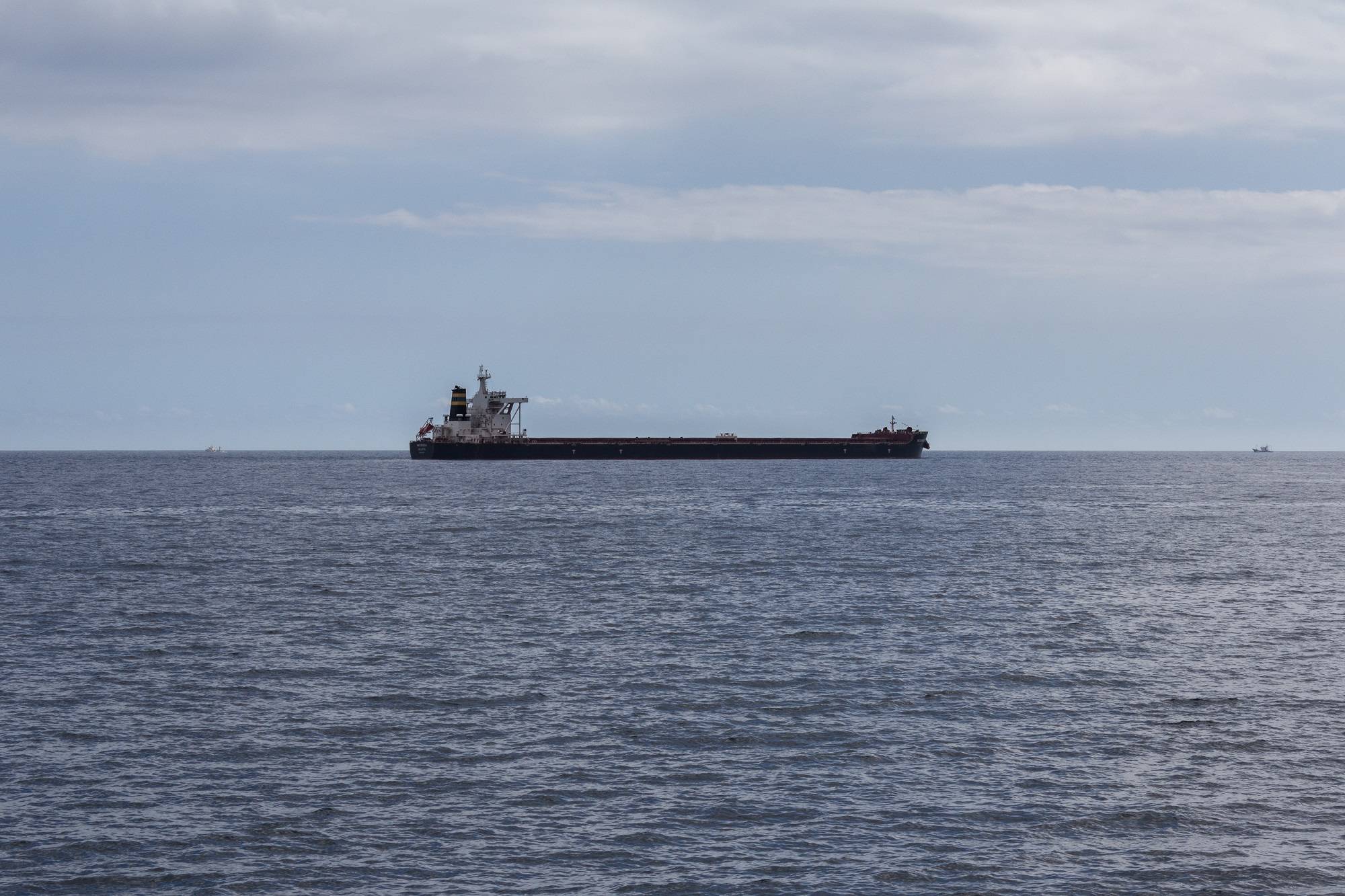
- Logistics: Foreign tankers like the HTM Warrior are already hauling Texas crude to Pennsylvania refineries, something that would normally be illegal.
Without this move, states in New England and New York would be stuck. These regions famously blocked new pipelines years ago, leaving them dependent on ships for fuel. If you can't use a foreign ship and there aren't enough U.S. ships available, the fuel just doesn't get there. Prices skyrocket. People get angry.
Why the Shipping Industry is Screaming
Don't think everyone is cheering. If you talk to the folks at the American Maritime Partnership or the Offshore Marine Service Association, they're furious. Their argument is simple: every time the government waives the Jones Act, it kills the incentive for anyone to build new ships in America.
Why spend $150 million on a U.S.-built tanker if the President can just let a cheap foreign competitor take your business during a crisis? They see this as a betrayal of the "Make American Shipbuilding Great Again" (MASGA) initiative. They argue that we're essentially outsourcing our national security to foreign fleets just to save a few cents at the gas station.
But from the White House perspective, the math is different. They’re looking at a 50% spike in energy costs since February 2026. They need supply, and they need it yesterday. The administration’s data shows that since the waiver started in March, supply is reaching ports significantly faster.
The Bigger Picture in 2026
The timing here isn't an accident. We're months away from the midterm elections. History shows that nothing kills an incumbent party's chances faster than $6 gasoline. By extending the waiver now, the administration is buying time. They’re hoping the ceasefire talks in Pakistan actually lead somewhere and that the Strait of Hormuz reopens before the August deadline hits.
The waiver covers more than just oil. It includes:
- Liquefied Natural Gas (LNG)
- Fertilizer (crucial for food prices)
- Coal
- Refined petroleum products
If you're running a refinery or a massive farm, this extension gives you "certainty." You can book a foreign ship for a July delivery today without worrying that the legality will vanish by the time the ship arrives.
What You Should Do Next
If you’re a business owner or just a worried consumer, keep an eye on the Brent Crude international standard. If it stays above $100 even with the waiver, expect the administration to get even more aggressive. They've already released 172 million barrels from the Strategic Petroleum Reserve.
For those in the maritime or logistics sectors, don't expect the Jones Act to be fully repealed. Trump has been clear that this is a temporary fix for a "national defense" emergency. The 90-day window is a bridge, not a permanent change in policy.
Watch the ship tracking data. If we see a massive influx of foreign tankers in the Gulf, it means the strategy is working to move the bottleneck from the water to the refinery. If prices don't budge by June, the administration will have to look at even more drastic measures, like further easing of fuel specifications or more sanctions waivers on foreign crude.
Stop waiting for the "old" prices to come back. The energy market has shifted. This waiver is a band-aid, but it's the only one we've got while the war continues. Pay attention to the mid-August deadline; if ceasefire talks fail, you can bet on another extension.