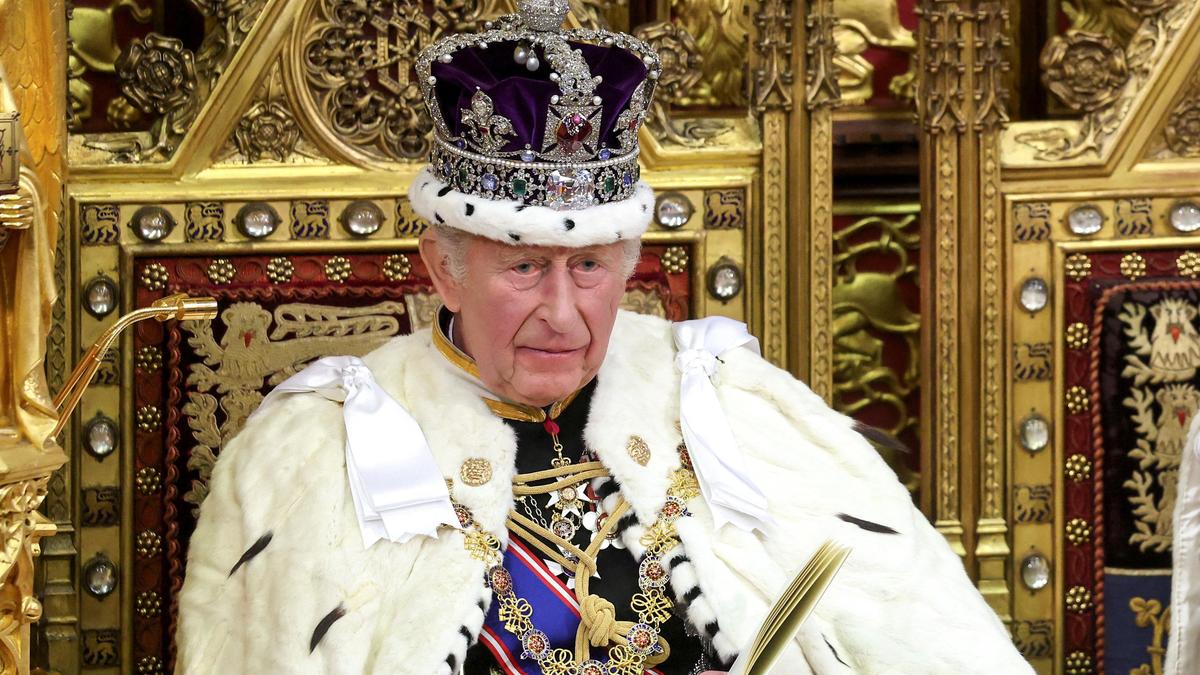
Keir Starmer doesn't have a mandate problem; he has a delivery problem. After 14 years in the political wilderness, the Labour Party walked into the halls of power with a massive majority and a King's Speech packed with 40 separate bills. On paper, it's the most ambitious legislative agenda since the Blair years. But if you look past the ceremonial robes and the gold carriage, you'll see a Prime Minister walking a razor-thin tightrope.
The real question isn't whether Starmer can pass these laws. With a majority that size, he could pass a law making Tuesdays mandatory hat days if he really wanted to. The real question is whether these policies will actually fix the broken pipes of British society before his own backbenchers—and a cynical public—lose patience. People didn't just vote for "not the Tories." They voted for things to work again.
The Economic Gamble of the King's Speech
Starmer’s entire strategy relies on one word: growth. Everything in this legislative package, from the Planning and Infrastructure Bill to the creation of Great British Energy, is a bet that the government can jumpstart the economy without spending massive amounts of taxpayer cash they don't have.
They’re trying to build their way out of the hole. By streamlining planning laws, they want to bypass local NIMBYs (Not In My Backyard) to get houses and wind farms built faster. It's bold. It’s also incredibly risky. If those houses don't go up and energy bills don't go down, the "mission-led" government starts looking like a government with no direction.
I’ve seen enough political cycles to know that "planning reform" is where grand ambitions go to die. Every Prime Minister says they'll do it. Most of them back down the moment a suburban constituency threatens to revolt. Starmer is betting he can hold his nerve where others crumbled.
Taking Back the Rails and the Rental Market
One of the biggest crowd-pleasers in the agenda is the Passenger Railway Services (Public Ownership) Bill. Basically, it means the government is bringing train operators back into public hands as private contracts expire. It’s a massive win for the left wing of his party and, frankly, for anyone who's ever sat on a freezing platform waiting for a cancelled train.
Then there’s the Renters’ Rights Bill. This is a huge deal for the millions of people in the UK stuck in the "rent trap." It finally bans "no-fault" evictions, which have been a sword of Damocles hanging over tenants for years.
But here’s the catch. If the government makes it too hard for landlords, some will just sell up, shrinking the rental market and driving prices even higher. It’s a delicate balance. Starmer is trying to prove he can be the "party of the working person" without scaring off the "party of the economy."
Why the Border Security Bill is a Political Minefield
You can’t talk about Starmer’s future without talking about immigration. The new Border Security, Asylum and Immigration Bill is his attempt to look "tough but fair." He’s scrapping the Rwanda scheme—which was basically a very expensive PR stunt—and replacing it with a new Border Security Command.
- The Goal: Smash the people-smuggling gangs using counter-terror style powers.
- The Risk: If the boats keep coming, the right-wing press will eat him alive.
- The Internal Conflict: Many of his own MPs think even this "tough" stance is too close to the previous government's rhetoric.
It's a classic Starmer move: find a middle ground and hope nobody on either side shouts too loud. But in the current political climate, the middle ground is often the most dangerous place to stand.
The House of Lords and the End of an Era
In a move that’s been a century in the making, the government is finally moving to kick out the remaining hereditary peers from the House of Lords. Honestly, it's about time. The idea that you can sit in the upper house of parliament just because your great-great-grandfather was a Duke is an absurdity in 2026.
While this is a great "red meat" policy for Labour supporters, it doesn't actually solve the fundamental problem of the Lords being an unelected chamber. It's a fix for a symptom, not the disease. But it sends a clear signal: the old guard is out, and the "technocrats" are in.
A Tobacco Ban and the Nanny State Debate
The Tobacco and Vapes Bill is perhaps the most personal legacy item in the speech. It’s a carry-over from the previous administration, but Starmer has embraced it with gusto. The plan is to progressively raise the smoking age so that anyone born after 2008 can never legally buy cigarettes.
It's a massive win for public health experts, but expect a loud "nanny state" backlash. Critics argue that if you're old enough to vote and join the army, you should be old enough to decide if you want to ruin your lungs. Starmer doesn't care. He sees the long-term savings for the NHS as worth the short-term grumbling about personal liberty.
Keeping the Peace on the Backbenches
The biggest threat to Keir Starmer isn't the opposition benches—the Conservatives are still busy figuring out who they are. The threat is from within. He has a massive majority, but many of those new Labour MPs are from areas that voted for Brexit and are deeply concerned about the cost of living.
If the "growth" promised by the King's Speech doesn't manifest as more money in people's pockets by next year, those MPs will start to get twitchy. They'll start pushing for more radical spending, more "taxing the rich," and more intervention. Starmer’s "fiscal lock"—a law that prevents major tax and spend changes without an independent check—is his shield against this. He's literally passing a law to stop his own party from spending too much.
That’s a bold strategy. It’s also one that could leave him very lonely if the economy stays flat.
What You Should Do Next
If you're wondering how this affects you, start by looking at your local area. The planning reforms mean a lot more construction is coming. If you're a renter, your rights are about to get a lot stronger—know them. If you're a business owner, the "New Deal for Working People" means you'll need to look closely at your employment contracts, especially regarding zero-hours setups.
Keep a close eye on the by-elections and local council results over the next year. That's where the real story of Starmer's survival will be told, not in the gilded halls of Westminster. The honeymoon is over. The work has started. Now we see if "change" was just a slogan or a genuine plan.
A more critical look at the lack of radicalism in the King's Speech
This video provides an essential critique of why some analysts believe the 2024 legislative program might not go far enough to address the deep-seated structural issues in the UK economy.