You’ve probably never heard of Kharg Island unless you work in global energy or have a deep obsession with Iranian geography. It’s a small, coral-fringed speck in the Persian Gulf, barely 15 square miles in size. But don't let its tiny footprint fool you. This place is the beating heart of Iran’s economy. If Kharg stops breathing, the global oil market catches a massive, expensive cold.
I’m talking about a limestone plateau that handles over 90% of Iran’s crude oil exports. It sits about 25 kilometers off the coast, perfectly positioned in deep waters that allow massive tankers to dock. It’s a fortress. It’s a gas station for the world. It’s also a place with a history that stretches back long before the first drill bit hit the ground.
People call it the Pearl of the Persian Gulf. That’s a bit of a cliché, but it fits. Like a pearl, Kharg is tough, valuable, and hidden away from the casual gaze of the tourist trail. You can’t just hop on a ferry and go there for a weekend tan. It’s a restricted zone, a strategic asset, and a living museum of human endurance.
A strategic powerhouse that doesn't sleep
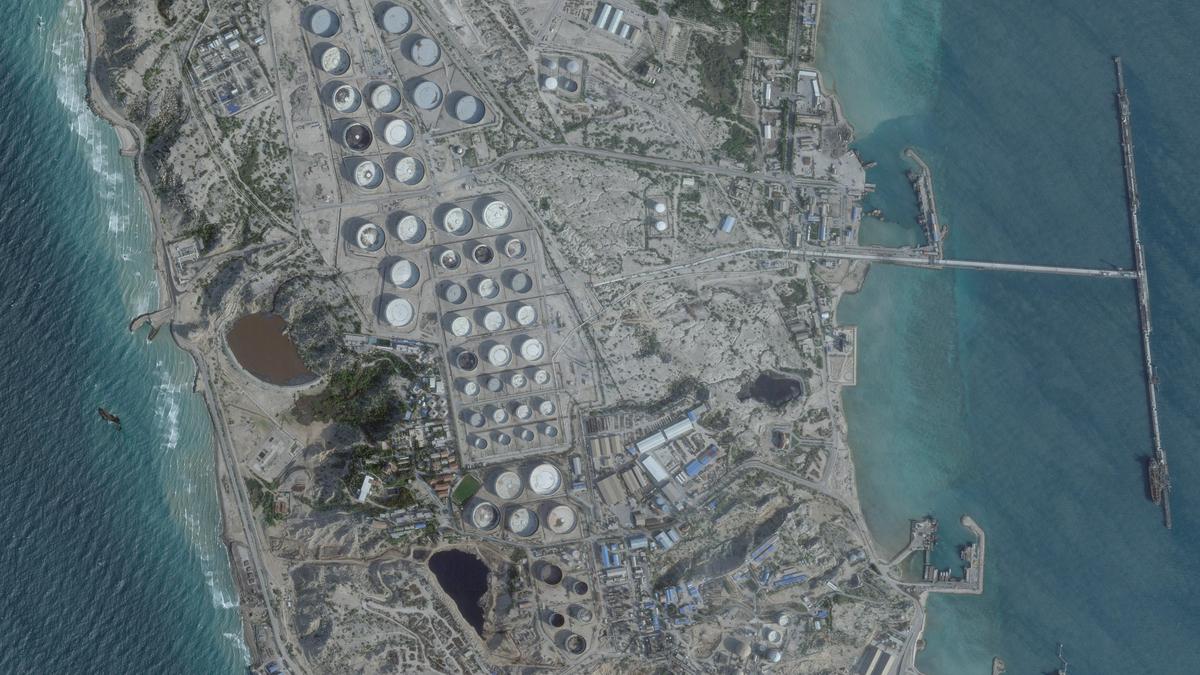
Kharg Island is essentially a massive floating terminal anchored to the seabed. The infrastructure here is staggering. Huge storage tanks sprawl across the landscape, holding millions of barrels of oil ready for transport. The T-jetty on the eastern side and the Sea Island terminal on the west are engineering marvels designed to withstand the brutal currents of the Gulf.
Tankers from across the globe line up here. They’re like giant iron whales waiting to be fed. The sheer scale of the operation is hard to wrap your head around until you see the height of those loading arms. They move with a precision that’s almost scary.
But it’s not just about the machinery. It’s about the location. The island sits near the Strait of Hormuz, the world’s most sensitive maritime choke point. This gives Kharg a level of geopolitical weight that few other islands can claim. When tensions rise in the Middle East, the first place analysts look at on a map is right here. It’s the ultimate leverage.
Layers of history beneath the oil
If you think Kharg is just pipes and pressure valves, you’re missing the best part. Long before the 1950s when the oil infrastructure began to dominate, this was a crossroads for civilizations. We’re talking about a history that goes back 2,000 years.
Archaeologists have found evidence of Elamite settlements. There are Nestorian Christian monastery ruins from the Sassanid era. Think about that for a second. In the middle of a region now defined by its modern energy industry, you have the remnants of ancient spiritual life.
You’ll find rock-cut tombs and inscriptions that prove this wasn't just a pit stop. It was a hub. The Dutch even built a fort here in the 18th century. They saw what everyone else eventually realized: if you control Kharg, you control the flow of trade in the northern Gulf. It’s a layer cake of human ambition.
The brutal reality of the Iran Iraq War
You can't talk about Kharg without talking about the 1980s. During the Iran-Iraq War, this island was the most bombed place on earth for a period. It was the target of over 2,800 air strikes. Let that number sink in.
The goal was simple. Destroy Kharg, and you destroy Iran’s ability to fund its defense. But the island didn't break. Workers repaired pipes while the sirens were still blaring. They built "decoy" terminals to trick enemy pilots. It became a symbol of national resilience.
Today, you can still see the scars if you know where to look. There’s a grit to the people who live and work here. They know the history. They know that this patch of dirt has been under fire and stayed standing. It gives the place an energy you won't find in the sterile luxury of Dubai or Doha.
Wildlife in the shadow of industry
It sounds like a contradiction, doesn't it? A massive oil hub that’s also a haven for wildlife. Yet, Kharg is home to a unique population of gazelles. These animals have lived on the island for generations, roaming between the industrial sites and the rocky outcrops.
The waters around the island are equally alive. The coral reefs here are some of the most resilient in the Gulf. Despite the heavy tanker traffic, the marine ecosystem persists. It’s a reminder that nature is surprisingly stubborn.
Watching a gazelle sprint past a massive crude oil tank is a surreal experience. It’s a collision of the ancient and the industrial. It shouldn't work, but it does. It makes Kharg feel like a lost world that somehow got drafted into the modern global economy.
Getting there is a different story
Don't go booking a flight just yet. Kharg isn't your typical travel destination. Because of its strategic importance, access is tightly controlled by the Iranian Oil Ministry. You need specific permits, usually tied to work or official business.
If you do manage to get there, the atmosphere is intense. It’s a company town on steroids. Everything revolves around the "black gold." The heat in the summer is oppressive, a humid blanket that never seems to lift. But the sunsets? They’re legendary. The sun sinks into the Gulf, turning the water into liquid copper, silhouetting the massive tankers on the horizon.
It’s beautiful in a raw, industrial way. It’s not for everyone. But for those who appreciate the machinery that keeps the world turning, it’s a bucket-list location.
The future of the Gulfs silent giant
As the world looks toward an energy transition, people wonder if Kharg will lose its shine. I don't think so. Not anytime soon. The infrastructure here is too valuable, and the geographical advantage is too great. Even if the world moves away from oil, the island’s position makes it a prime candidate for future energy hubs, perhaps involving hydrogen or carbon capture.
The island has survived wars, economic shifts, and the harsh elements of the Persian Gulf. It’s a survivor. It will continue to be the pivot point for Iran’s interaction with the global market.
If you want to understand the reality of global energy, stop looking at spreadsheets. Look at Kharg Island. It’s the physical manifestation of our thirst for power and the complex history of the Middle East.
To really grasp the impact of Kharg, start tracking the tanker traffic in the northern Persian Gulf through real-time maritime maps. You’ll see the constant pulse of ships moving in and out, a rhythmic flow that dictates prices at gas stations thousands of miles away. It’s the best way to see the "pearl" in action without needing a government permit.