You’re standing at the Peshawar bus terminal, wallet in hand, only to find out the ticket that cost you 1,000 rupees last week is now 1,650. It’s not a typo. It’s the new reality across Khyber Pakhtunkhwa (KP). If you feel like you’re being robbed, you aren’t alone. Transporters and commuters are currently locked in a standoff as freight and passenger fares have jumped by a staggering 65% in some sectors.
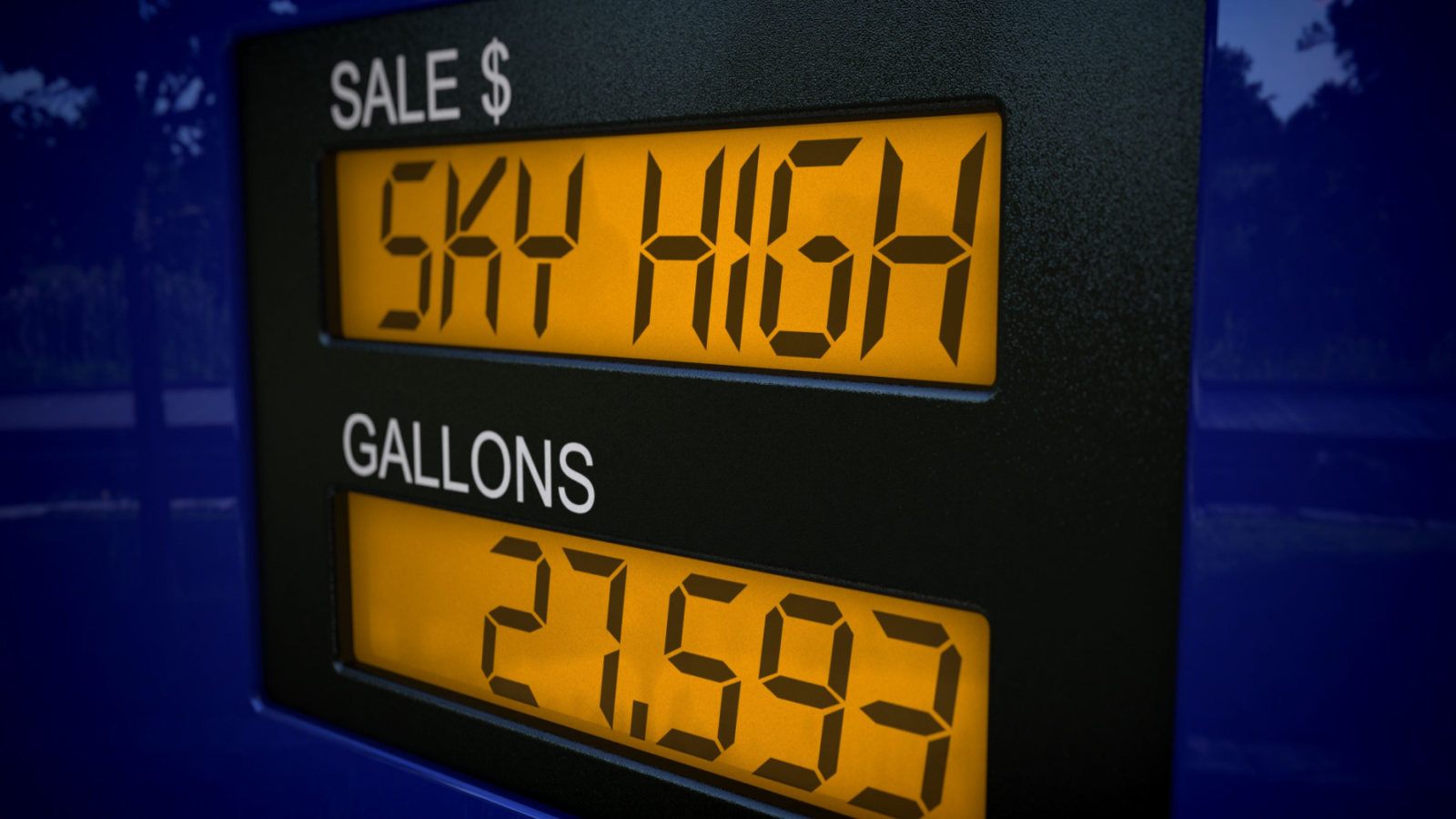
This isn't just a slight adjustment for inflation. It’s a full-blown economic earthquake triggered by the federal government’s decision to hike petroleum prices twice in a single month. As of April 2026, petrol has hit PKR 458.40 per litre, while high-speed diesel—the lifeblood of the trucking industry—has soared to PKR 520.35 per litre. When fuel prices move like that, the cost of moving everything else moves with them.
The Math Behind the 65 Percent Fare Hike
Most people think transporters are just being greedy when they raise prices. But look at the numbers. In early March 2026, we saw a 20% bump in fares. That was a "wait and see" move. Then came the April hammer blow: a hike of PKR 137.24 for petrol and PKR 184.49 for diesel in one go.
Khan Zaman Afridi, the head of the Public Transport Owners Association in KP, basically says they’re underwater. If a truck driver has to spend nearly double on a tank of diesel, he’s not going to eat that cost. He’s going to pass it to the wholesaler, who passes it to the retailer, who passes it to you. That’s why the Pakistan Goods Transporters Owners Association didn't hesitate to slap a 65% increase on freight charges. They’re calling the current rates "unbearable," and honestly, it’s hard to argue with the math.
Why KP is Getting Hit Harder Than Others
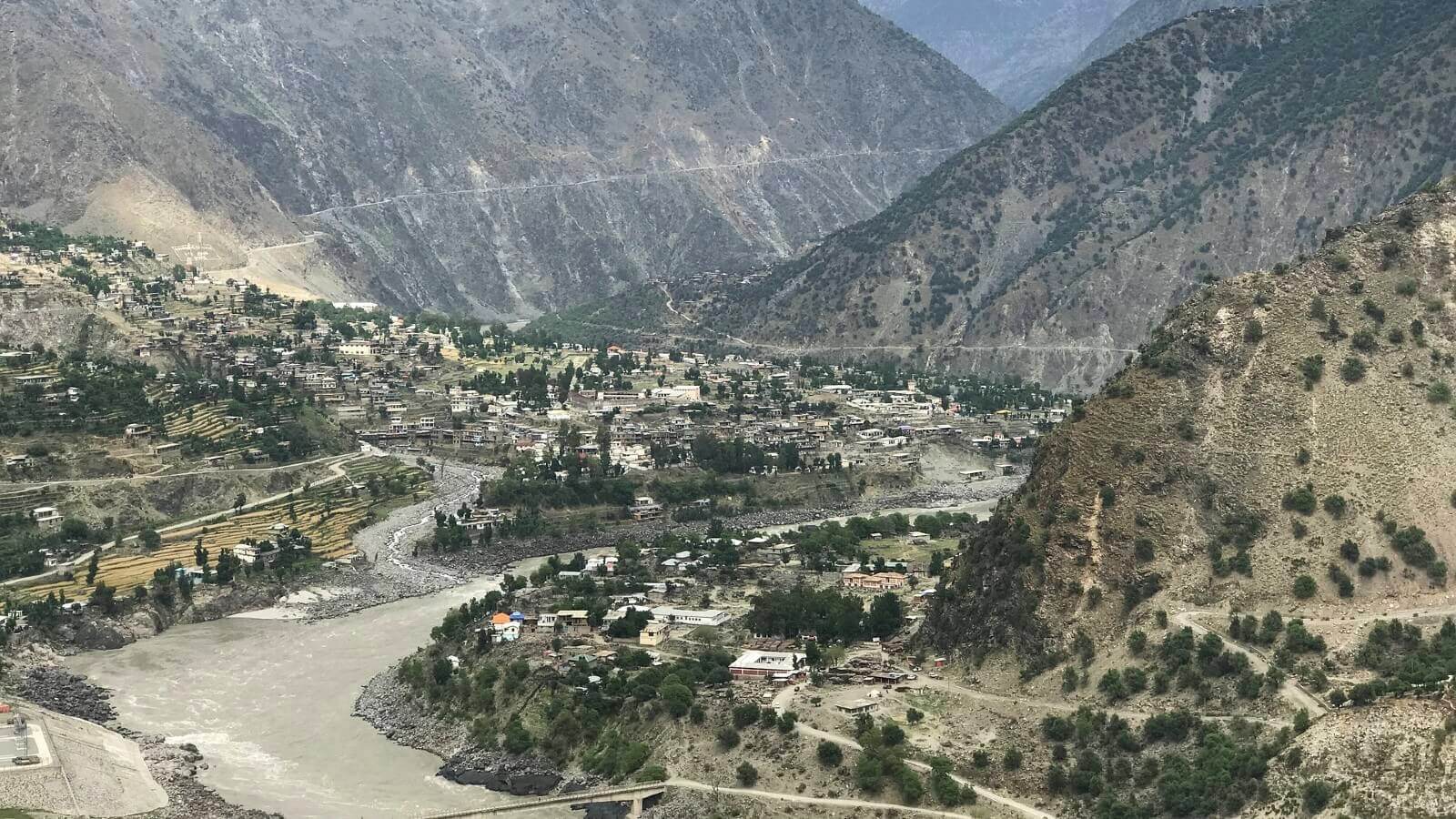
While Punjab is seeing similar spikes, the situation in KP is unique because of its geography and its reliance on long-haul logistics. We’re talking about a province that serves as a gateway for trade. When freight fares skyrocket, the price of cement, crushed stone, and even basic vegetables doesn't just rise; it explodes.
The Sarhad Chamber of Commerce and Industry (SCCI) is sounding the alarm. SCCI President Junaid Altaf pointed out that these record-high prices are basically a death sentence for local industrial activity. If it costs 65% more to move raw materials to a factory and 65% more to ship the finished product out, that factory is going to stop hiring—or just stop operating.
- Petroleum Levy: The government increased the levy on petrol from PKR 106 to PKR 161 per litre. That’s PKR 55 of pure tax added with "one stroke of a pen."
- Diesel Dominance: Diesel is now over PKR 520. Since almost all heavy freight and long-distance buses run on diesel, the impact is immediate and total.
- The Subsidy Trap: The government is caught between a rock and an IMF hard place. They can't provide subsidies because of a PKR 152 billion cap, so they’re forcing the public to pay the "real" price—plus a heavy tax.
The Human Cost of Moving Goods
It’s easy to get lost in the percentages, but the real story is in the markets. Go to any "bazaar" in Peshawar or Kohat right now. Flour, rice, and pulses are up by 20% to 40% simply because of the transport cost. Gohar Ali Gohar of the Wapda Hydro Electric Workers Union put it bluntly: essential food items are now "beyond the reach" of the working class.
We’re seeing a shift where families have to choose between a bus ticket to visit relatives or buying enough cooking oil for the week. It’s a desperate struggle for basic necessities that doesn't show up on a government spreadsheet.
What Happens if These Rates Stick?
If these fares remain at this 65% peak, expect a permanent shift in the local economy. We’re likely to see:
- Supply Chain Disruptions: The Oil Tanker Contractors Association (OTCA) has already threatened to halt operations. They’d rather park their trucks than lose money on every trip. If they stop, the pumps go dry.
- Increased Conflict: We’re already seeing more "disputes" between passengers and conductors. When the government announces price hikes overnight without warning, the guy on the bus is the one who has to explain it to an angry crowd.
- Industrial Stagnation: Small-scale industries in KP simply can't compete with larger hubs if their logistics costs are this high.
How to Manage the Fallout
You can't control the price of global Brent crude or the federal levy, but you can change how you navigate this crisis.
First, if you're a business owner, audit your logistics immediately. Consolidation is the only way to survive a 65% freight hike. Don't send half-full trucks; wait for full loads even if it slows down your delivery cycle.
Second, for commuters, look for CNG-based transport. Commissioner Peshawar Division Riaz Khan Mehsud has explicitly stated that since 70% of inter-provincial transport in KP uses CNG, those fares shouldn't be rising at the same rate as petrol/diesel. If a CNG bus driver tries to charge you the "diesel rate," they’re breaking the law. Check the official fare schedules that are supposed to be displayed at every "Adda" (bus stand).
Lastly, stay vocal. The backlash from political groups like the Awami National Party and various chambers of commerce is the only thing that might force a revision of the Petroleum Development Levy. The government is currently using the global crisis as a shield to collect more taxes, but the pressure from a stalled economy might eventually force their hand. Keep your receipts and keep track of the official rates; don't let "spontaneous" hikes drain you more than they already have.