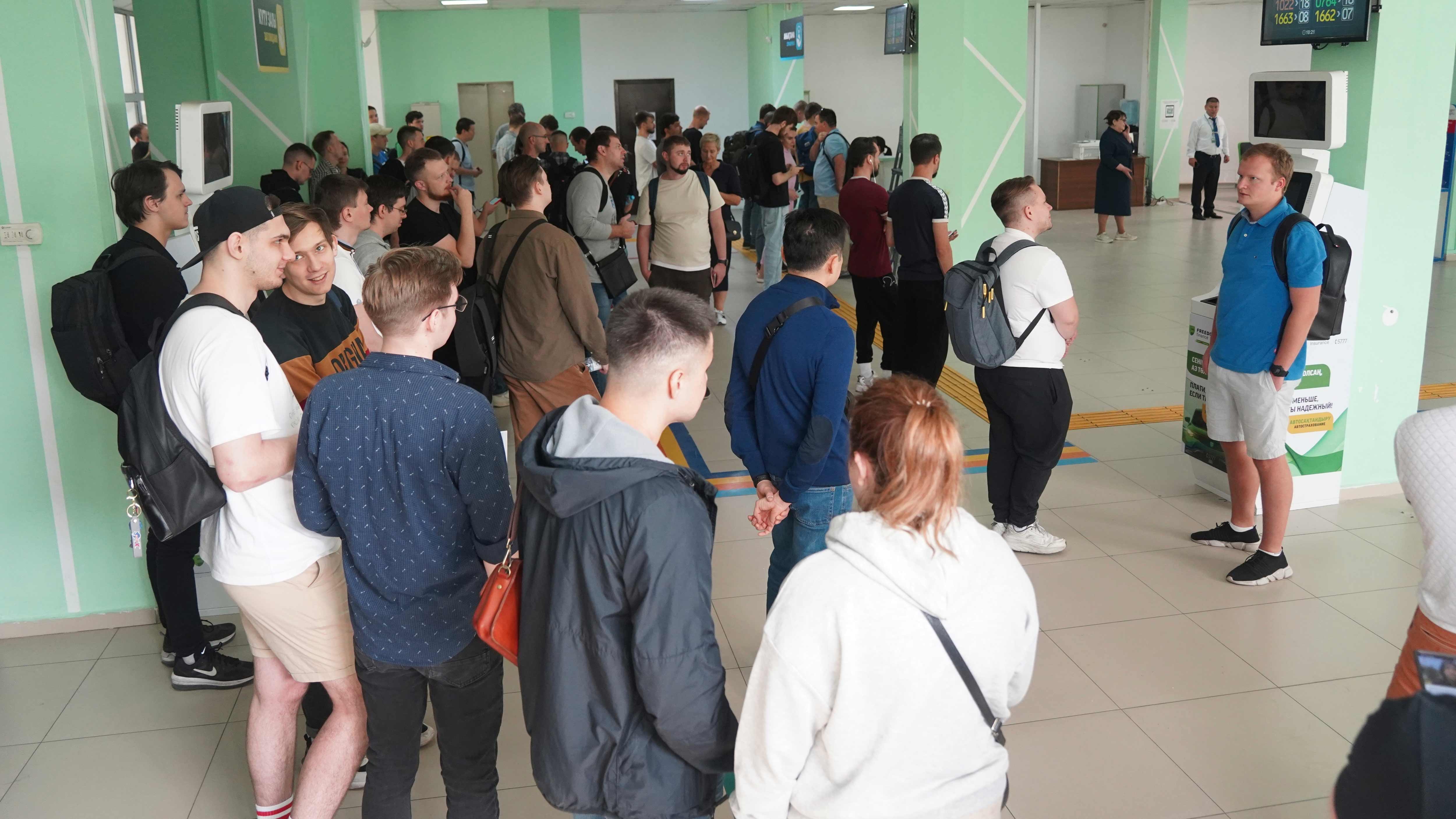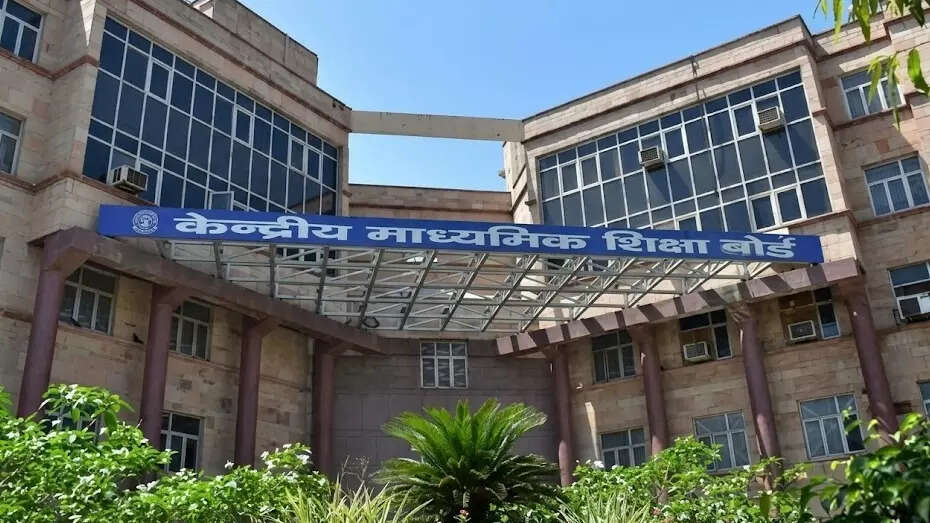
Thousands of Indian expatriate students across the United Arab Emirates, Saudi Arabia, and Qatar woke up to a sudden administrative vacuum this week. The Central Board of Secondary Education (CBSE) has officially postponed the Class 10 and Class 12 board examinations for centers located in the Middle East. While the official circular cites "unforeseen technical and administrative exigencies," the reality on the ground points to a much deeper failure in the cross-border educational supply chain. This is not just a scheduling hiccup. It is a systemic breakdown in how India exports its most rigid academic assessment to a region where geopolitical and logistical variables are increasingly volatile.
The immediate impact is clear. Students who have spent the last twelve months in a high-pressure crucible are now left in a state of professional and emotional limbo. For these candidates, the board exams are the sole gateway to university admissions in India and abroad. A delay of even a few weeks ripples through the entire academic calendar, threatening orientation dates and visa processing timelines. Don't miss our previous post on this related article.
The Infrastructure of a Delayed Exam
Running an international examination on the scale of the CBSE is a massive undertaking. Unlike domestic exams held within India, where the board can rely on local police escorts and state-run treasuries for paper security, the Middle East operation requires a complex dance with private couriers, Indian embassies, and local school administrators.
To understand why a delay happens, one must look at the movement of the physical question papers. These documents are treated with the level of security usually reserved for state secrets. They are printed in India, flown under high security to regional hubs, and stored in "strong rooms" or bank vaults until the morning of the exam. To read more about the background of this, Reuters offers an informative breakdown.
If a single link in this chain breaks—a customs delay at a Gulf port, a security breach in a regional distribution center, or a failure to sync the encrypted digital backups—the entire house of cards collapses. Sources within the regional school boards suggest that the current delay stems from a synchronization error between the digital delivery systems and the physical paper trail. In an era where the board is trying to move toward a hybrid model of paper and encrypted digital delivery, the transition has been anything but smooth.
The Expatriate Premium and the Cost of Uncertainty
Parents in the Middle East pay a significant premium for CBSE-affiliated education. Tuition fees in Dubai or Riyadh can be five to ten times higher than those for comparable schools in New Delhi or Mumbai. In exchange for this investment, families expect a level of predictability and professionalism that matches the "international" label.
When the board fails to deliver on time, it isn't just a matter of convenience. It is a financial burden. Many families coordinate their annual leave and return flights to India based on the exam schedule.
- Flight Cancellations: Thousands of families now face the prospect of rebooking expensive peak-season flights.
- Coaching Overload: Students enrolled in "crash courses" for entrance exams like the JEE or NEET now find their schedules clashing.
- Mental Fatigue: The psychological toll of maintaining "peak performance" for an additional two to three weeks cannot be overstated.
The CBSE has historically operated with a monolithic mindset. It treats its international centers as an extension of its domestic territory, often ignoring the specific regulatory environments of the host countries. When local holidays or regional tensions interfere with the Indian schedule, the board is often slow to react, leading to these last-minute scrambles that leave students holding the bag.
The Security Myth and the Digital Shift
The board’s obsession with paper security is arguably its greatest weakness. In 2018, the massive paper leak in India forced a rethink of how exams are distributed. The solution was supposed to be a "leak-proof" encrypted system where papers are downloaded and printed at the school just minutes before the start time.
However, the infrastructure in many Middle Eastern centers is not ready for this. Many schools lack the industrial-grade high-speed printing and scanning facilities required to produce thousands of booklets simultaneously while maintaining a total internet blackout. The "administrative exigencies" mentioned in the postponement notice are likely a veiled reference to the fact that several centers failed the readiness audit for this digital-first approach.
A Growing Competitive Threat
For decades, the CBSE held a monopoly over the Indian diaspora's education. That is changing. The rise of the International Baccalaureate (IB) and Cambridge (IGCSE) curriculums offers a more flexible, globally recognized alternative. These boards have mastered the art of regionalized scheduling and digital security.
If the CBSE continues to treat its Middle East operations as an afterthought, it risks a mass exodus of its most affluent student base. Private school owners in the UAE are already reporting a spike in inquiries from parents looking to switch to the British curriculum for the next academic cycle. They are tired of the volatility. They are tired of their children being subjected to the bureaucratic whims of an organization that seems unable to manage its own calendar outside of the Indian subcontinent.
The Pressure Cooker and the Student Voice
We often talk about the logistics, but we rarely talk about the human cost. The Indian education system is built on a "one-shot" philosophy. You have one chance to prove your worth. This creates a pressure cooker environment that is already at a breaking point.
When you tell a seventeen-year-old who has been studying sixteen hours a day that their "judgment day" has been moved, you aren't just changing a date. You are shattering a carefully constructed psychological state. The board has offered no counseling services or support for the affected students. They have simply issued a cold, two-paragraph PDF and gone silent.
The Silence of the Stakeholders
One of the most frustrating aspects of this delay is the lack of transparency. The CBSE operates behind a veil of "official secrecy" that would make a military intelligence agency jealous. School principals in the Middle East are often the last to know, forced to find out about major schedule changes via social media or leaked memos before receiving official word.
This lack of communication creates a vacuum filled by rumors and misinformation. On encrypted messaging apps, parents are speculating about everything from mass cheating scandals to logistical sabotage. The board’s refusal to provide a specific "why" only fuels this fire.
The immediate priority for the CBSE must be a clear, non-negotiable timeline. The "new dates to be announced" line is a placeholder that does nothing to alleviate the anxiety of the stakeholders. Until a firm schedule is provided, the credibility of the 2026 exam cycle remains in question.
Schools must take the initiative to provide bridge learning sessions. They cannot simply shut their doors and wait for the board to wake up. These students need to stay engaged without burning out, a balance that requires expert pedagogical handling that is currently missing from the conversation.
The Middle East is no longer a peripheral market for Indian education; it is a vital hub. Treating it with this level of administrative negligence is a recipe for long-term institutional decline. The board needs to stop hiding behind "exigencies" and start addressing the logistical obsolescence that led to this crisis.
Ensure your child's study materials are organized and their mock exam schedule is adjusted immediately to prevent a total loss of academic momentum.