The air in the control room of a major refinery doesn't smell like oil. It smells like ionized dust and over-chilled oxygen. On the screens, glowing green lines trace the heartbeat of the global economy. Most people think of oil as a commodity traded on a screen in London or New York, a flickering number that determines whether a road trip feels like a treat or a tax. But for the men and women watching those lines, oil is a physical weight. It is the pressure in a pipe three thousand miles away. It is the difference between a factory in Vietnam staying open or a family in Berlin choosing between heat and groceries.
For decades, this weight was shared. A group of nations, the OPEC collective, acted as a sort of global thermostat. When the world got too hot, they turned the flow up. When the market chilled, they dialed it back. It was a messy, argumentative committee, but it functioned.
That committee has effectively dissolved into a solo act.
The United States has become a titan of production, yet its drillers answer to shareholders demanding immediate dividends, not global stability. Russia is preoccupied with a war that has turned its energy exports into a desperate survival fund. This leaves one player standing under the spotlight, holding the lever alone.
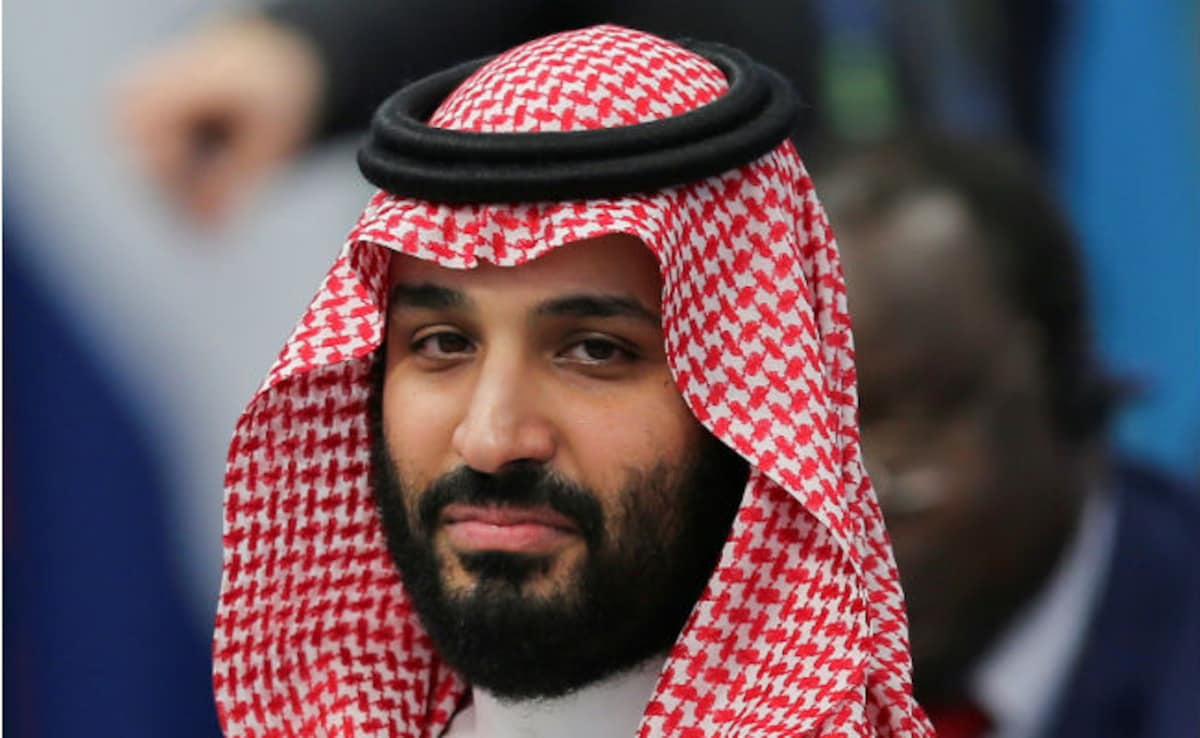
Saudi Arabia is no longer just a member of a club. It is the world’s central banker of energy.
The Weight of the Lever
Imagine a man named Omar. He isn’t a prince or a CEO. He is a senior engineer at the Abqaiq processing facility. When Omar walks the perimeter, he isn’t looking at stock tickers. He is listening to the hum of the turbines. He knows that if that hum falters, the shockwaves don't just move decimals—they move armies.
The "Spare Capacity" that Saudi Arabia maintains is the only true insurance policy the modern world possesses. It is the ability to suddenly inject millions of barrels of oil into the veins of commerce if a pipeline explodes in Libya or a storm hits the Gulf of Mexico. Maintaining this capacity is an agonizingly expensive burden. It’s like paying for a massive fire department in a city that rarely sees a spark.
Most nations can't afford to leave money in the ground. They pump every drop they can to pay their bills. The Kingdom, however, treats its oil as a strategic reservoir of influence. By choosing not to pump, they maintain the power to save the market later.
But being the lone sentry is exhausting. When you are the only one holding the line, everyone else becomes a free rider. American shale producers can drill with abandon because they know the Saudis will likely cut production to keep prices from crashing. It is a lopsided relationship where one party provides the stability and the others reap the profit.
The Invisible Stakes of 80 Dollars
To a commuter in Ohio, eighty dollars a barrel is a nuisance. To the architects of Vision 2030 in Riyadh, it is the threshold of a new civilization.
The Kingdom is currently attempting the most ambitious pivot in economic history. They are trying to build cities out of thin air—Neom, The Line, massive solar farms—to ensure that when the world eventually moves past oil, they aren't left with nothing but sand and memories. This transition requires staggering amounts of cash.
If the price of oil drops to sixty dollars, those dreams of a post-oil future begin to evaporate. If it rises to one hundred, the global economy shudders, inflation spikes, and the very customers the Kingdom relies on begin to accelerate their exit toward electric vehicles.
Saudi Arabia is walking a tightrope thin as a razor. They must keep prices high enough to fund their future, but low enough to keep the present alive.
Consider the math of a single barrel. It isn't just fuel. It is the plastic in a medical syringe. It is the fertilizer that keeps a wheat field in Kansas from failing. It is the asphalt under your tires. When the price fluctuates wildly, the planning for these essentials becomes impossible. The "stability" the Kingdom provides is the silence in the background of your life—the fact that you don't have to wonder if the gas station will have fuel tomorrow.
The Ghost of the Permian Basin
The tension isn't just about supply; it’s about a fundamental shift in how power is perceived. For years, the narrative was that "Peak Oil" would destroy us—that we would simply run out. The reality is the opposite. We have found too much. Between the Permian Basin in Texas and the deep waters off Guyana, the world is awash in crude.
This abundance should, in theory, make the Saudi role irrelevant. But the new oil is different. It’s "short-cycle" oil. Private companies can turn it on and off based on quarterly profits. They don't care about the stability of the Euro or the price of bread in Cairo.
Saudi Arabia, conversely, thinks in decades. They are the only ones willing to lose money today to ensure the market exists tomorrow. They are playing a game of chess while everyone else is playing speed-poker.
Yet, there is a psychological toll to being the world's shock absorber. Inside the Ministry of Energy, the data scientists are looking at a world that is increasingly hostile to their primary export. They see the climate mandates, the rise of wind and solar, and the shifting geopolitical alliances. They are managing the decline of an era they built.
The Loneliness of the Top
There is a specific kind of vertigo that comes with realizing you are the last person holding the rope. In the past, the Saudis could lean on Kuwait, the Emirates, or even a compliant Iran to share the burden of production cuts. Now, those neighbors have their own agendas, their own internal pressures, and their own desperate needs for revenue.
The Kingdom has reacted to this isolation with a new, sharper brand of realism. They are no longer the "passive" giant. They have become proactive, even aggressive, in their market management. They are willing to surprise the markets, to squeeze short-sellers, and to move unilaterally.
This isn't just about greed. It’s about survival.
If the Saudi experiment in solo market management fails, we won't see a slow decline. We will see "volatility"—a clinical word for chaos. We will see prices that swing thirty percent in a week. We will see the literal engines of global trade seize up because no one can predict the cost of a voyage.
The world likes to criticize the Kingdom's grip on the tap. It is easy to resent the person who controls the price of your life. But there is a terrifying counter-question we rarely ask: What happens if they let go?
What happens if the Kingdom decides it is tired of being the only adult in the room? What if they decide to pump every barrel they have, crash the price, and let the weakest players starve?
They’ve done it before. They can do it again.
For now, the green lines in the control room remain steady. Omar continues his rounds, listening to the hum of the turbines. The world continues to turn, largely unaware of the frantic, solitary effort required to keep that hum at a constant pitch.
We live in the silence of their stability. But silence is a fragile thing, especially when it is maintained by a single hand.
The lever is heavy. The hand is firm. But the sand is always shifting.