The air in Tehran has a way of thickening before the sirens start. It isn't just the smog or the heat rising from the Alborz mountains; it is a physical weight, the collective breath of millions held in check, waiting for the sky to break. For the thousands of Chinese expatriates who call this ancient city home—engineers, students, and merchants—that weight recently became unbearable.
Imagine a young technician named Chen. He moved from the humid bustle of Guangzhou to the high-plateau dust of Iran to work on a sprawling infrastructure project. He learned to appreciate the tartness of doogh and the hospitality of his Persian neighbors. But hospitality cannot stop a missile. When the regional "shadow war" stepped into the light, Chen’s reality shifted from blueprints and site visits to a frantic calculation of suitcase space and exit routes.
This isn't just a story about logistics. It is a story about the fragile threads of globalism snapping under the pressure of ballistic trajectories.
The Midnight Manifest
When the Chinese embassy in Tehran issued the notice, it wasn't a suggestion. It was a mobilization. As conflict intensified across the border and the threat of large-scale strikes loomed, the priority shifted from maintaining bilateral trade to the raw, visceral task of "bringing the people home."
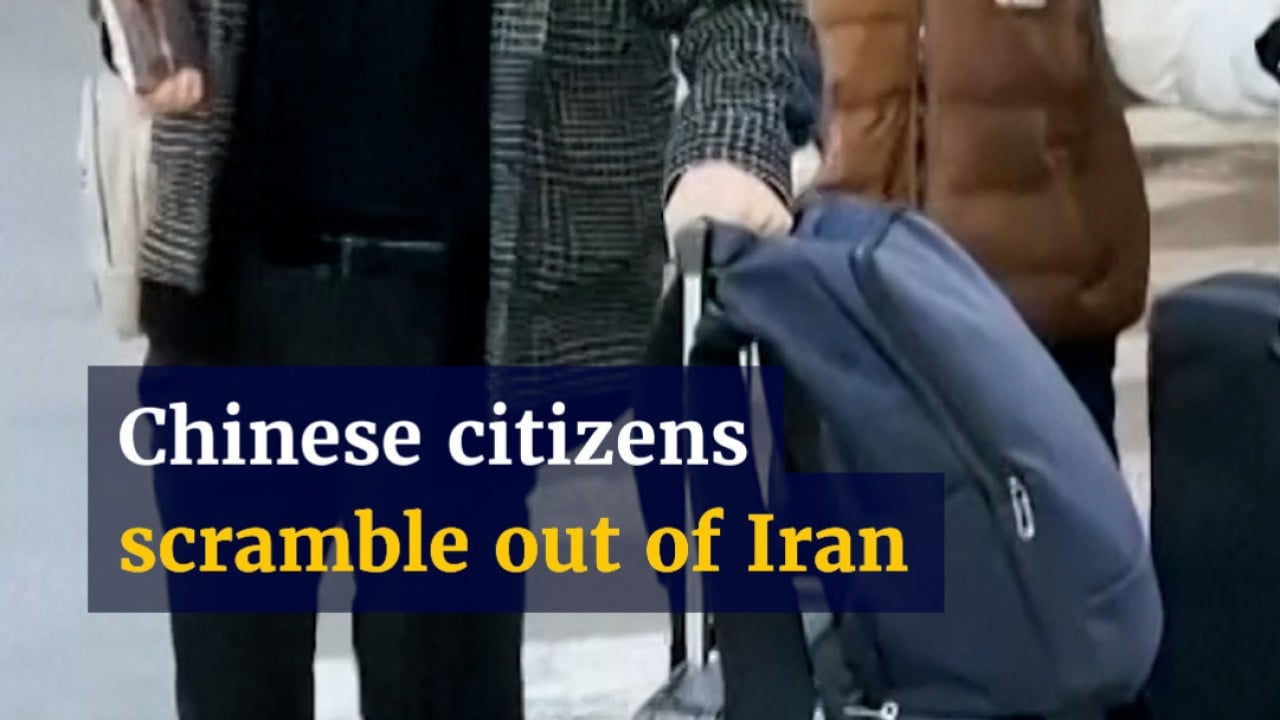
The evacuation of hundreds of Chinese citizens is a massive undertaking. It requires more than just planes; it requires a delicate diplomatic dance with local authorities to keep runways open and corridors clear. For those on the ground, the experience is a blur of fluorescent-lit airport terminals and the hollow sound of rolling luggage on marble floors.
Security experts often speak of "geopolitical risks" as if they are entries on a spreadsheet. They aren't. They are the look on a mother's face as she tries to explain to her child why they are leaving their toys behind. They are the frantic WeChat messages sent to families in Beijing, Mingled with the static of uncertain cellular networks. These are the invisible stakes of a worsening war.
The Mechanics of an Exodus
Moving hundreds of people across a continent during a period of active hostility is a masterclass in crisis management. China has become increasingly adept at this. From the 2011 evacuation in Libya to the more recent pulls from Sudan, the "Protective Umbrella" of the state has become a central tenet of its foreign policy.
Consider the sheer scale of the operation:
- Chartered flights bypassing traditional commercial routes.
- Coordination with neighboring countries for emergency landing rights.
- Rapid-response teams at the border to process documentation for those who lost their passports in the chaos.
The logistical math is grueling. You have a finite number of seats and a ticking clock. Every hour spent on the tarmac is an hour exposed to the unpredictability of an escalation that follows no rules.
But there is a deeper layer here. This evacuation sends a silent, powerful signal to the world about the state of the conflict. When a superpower decides the risk to its citizens has crossed the threshold of "manageable," it suggests that the diplomatic backchannels are failing. It means the smoke on the horizon is no longer an outlier; it is the new weather.
A Neighborhood on Edge
Living in a conflict zone changes your relationship with sound. A car backfiring isn't a mechanical failure; it’s a heartbeat-stopping question. For the Chinese community in Iran, which had grown significantly over a decade of "Belt and Road" cooperation, the sudden shift from partner to evacuee is jarring.
There is a specific kind of grief that comes with leaving a place you helped build. These weren't tourists. They were people who had invested years into the local economy. They had favorite cafes in Tajrish. They had friends who were staying behind because, for an Iranian, there is no chartered flight out of the history you were born into.
The disparity is haunting. While Chen and his colleagues are ushered onto a silver bird bound for the safety of the mainland, their Iranian counterparts are left to shore up their windows with tape and hope for the best. The evacuation highlights the ultimate luxury of the global citizen: the ability to leave.
The Logistics of Luck
Why now? Why this specific group of hundreds?
The timing of an evacuation is rarely about a single event. It is about the accumulation of "near misses." Perhaps it was a strike that landed a few kilometers too close to a Chinese-run factory. Perhaps it was intelligence regarding a shift in the nature of the ordnance being used.
When war worsens, the first thing to die isn't necessarily a person; it's the predictability of tomorrow. In Tehran, that predictability evaporated weeks ago. The Chinese government, wary of the optics of a trapped citizenry, chose the path of proactive retreat. It is a expensive, loud, and public admission that the situation is spiraling beyond the control of any single actor.
The Silence After the Departure
Once the planes depart, a strange silence settles over the Chinese quarters of the city. The shuttered storefronts and empty dormitories serve as a grim monument to a stalled era of cooperation.
We often think of war in terms of territory gained or lost. We should think of it in terms of the connections severed. Every person on those evacuation flights represents a broken link in a chain of cultural and economic exchange. These links take decades to forge and seconds to snap.
As the sun sets over the Milad Tower, the sky turns a bruised purple. The city waits. The remaining residents look up, not for the planes carrying their neighbors away, but for the things that might come from the other direction.
The evacuation is over. The hundreds are safe. But the story isn't about those who left; it is about the void they left behind, and the terrifying realization that the world is getting smaller, louder, and much more dangerous.
Conflict is a thief. It steals the future and replaces it with a frantic, desperate present. For those who watched the Tehran skyline recede through a small, scratched airplane window, the relief was likely tinged with a profound, unspoken sorrow. They were the lucky ones. And in a world where safety is a matter of citizenship and timing, luck is the most haunting currency of all.