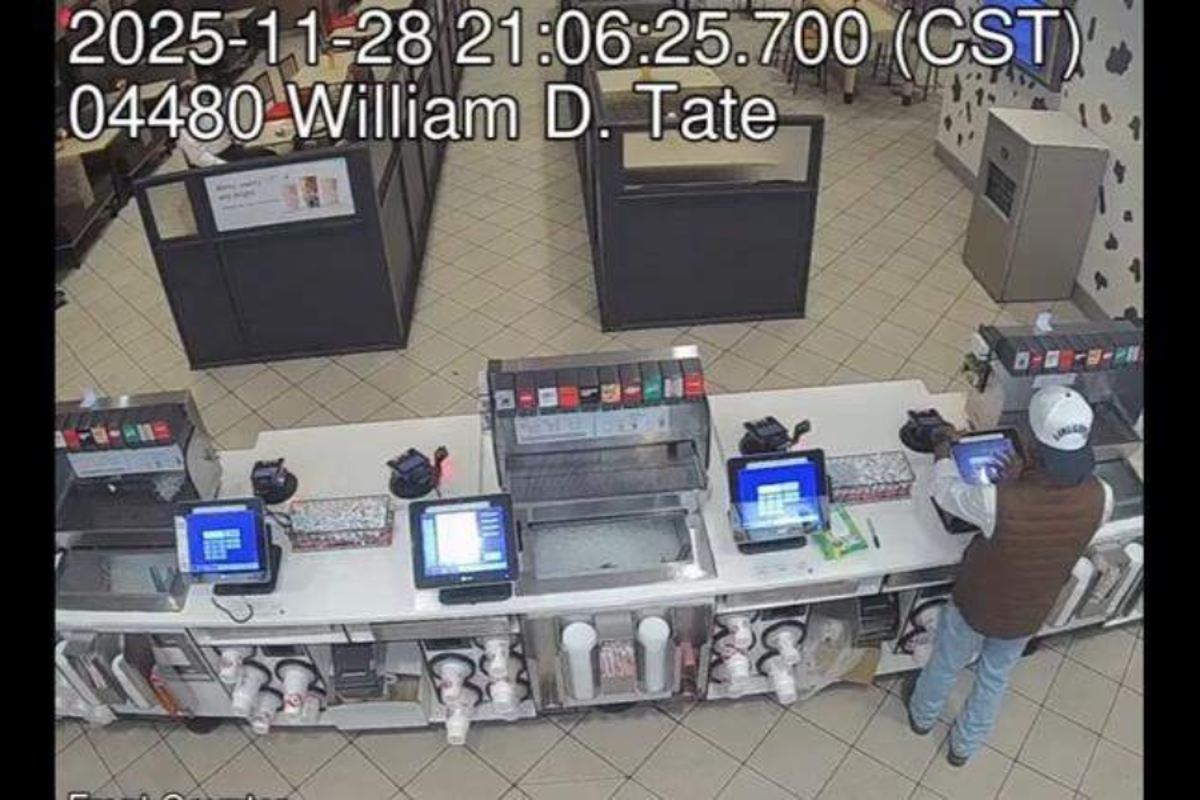
A former Chick-fil-A employee in Pennsylvania managed to siphon more than $80,000 from a single franchise location by exploiting a glaring weakness in the restaurant's point-of-sale system. This was not a sophisticated cyberattack or a complex shell company maneuver. It was a repetitive, manual manipulation of the refund process involving hundreds of fake returns for mac and cheese. By the time corporate security and local law enforcement caught up, the scale of the theft had reached a level that should have triggered alarms months earlier.
The suspect, identified in court records as a former shift lead, allegedly processed these refunds directly to his personal debit and credit cards. This case serves as a brutal wake-up call for the quick-service restaurant industry. It proves that even the most polished brands, known for their rigorous training and corporate culture, are vulnerable to internal "friendly fraud" when basic digital guardrails are ignored. You might also find this related coverage interesting: The Whiskey Tariff Myth Why This Diplomatic Toast is a Hangover for Global Trade.
Anatomy of a Side Hustle
The mechanics of the theft were deceptively simple. Over the course of nearly a year, the employee used his managerial credentials to initiate refunds for items that were never actually returned or even purchased in the first place. Mac and cheese became the vehicle for the fraud because of its consistent price point and high volume of sales, making individual "returns" look less suspicious on a daily ledger than larger, more expensive catering orders might have.
Financial records indicate that the employee performed these transactions during off-peak hours or while closing the store. He would swipe his own cards to receive the credit. This is a classic "balancing act" where the physical inventory remains untouched, but the digital cash flow is rerouted. Because the store’s inventory systems often track raw ingredient usage rather than every individual bowl of pasta in real-time, the discrepancy didn't immediately show up as a product loss. It showed up as a revenue leak. As reported in latest reports by Bloomberg, the implications are worth noting.
The Failure of Point of Sale Oversight
Most modern restaurant software is designed for speed and customer experience, often at the expense of internal security. In this instance, the system allowed a single user to both authorize and execute a refund to a non-original payment method. In a secure financial environment, a refund should ideally only be credited back to the specific card used for the initial purchase.
When a system allows "blind refunds" to any card presented at the terminal, it creates an open door for embezzlement. This specific Chick-fil-A location was essentially functioning as an ATM for the employee. The lack of an automated "red flag" system for repetitive refunds to the same card number suggests a massive oversight in the franchise's data monitoring protocols.
Management Trust as a Security Risk
Chick-fil-A’s business model relies heavily on the "Operator" system, where local owners are deeply involved in the community and culture of their stores. This creates a high-trust environment. While this culture is often cited as the reason for the chain's industry-leading customer service, it also creates a psychological blind spot.
Managers are often given broad permissions to "make it right" for customers. When those permissions aren't audited by a third party or an automated corporate tool, the system relies entirely on the personal integrity of the staff. In this case, the shift lead had enough authority to override standard checks, and because he was a trusted member of the leadership team, his actions went unmonitored for an extended period.
The High Cost of Small Transactions
The choice of mac and cheese was strategic. Stealing $80,000 in one go is nearly impossible in a cash-heavy or highly monitored environment. However, stealing $10 to $15 at a time, hundreds of times, is a different story. This is "salami slicing" in a physical retail space.
If a manager processes five fake refunds a shift, it adds up to roughly $75. Do that five days a week, and you’re looking at an extra $1,500 a month. Scale that up over a year across multiple shifts, and the numbers become staggering. The psychological barrier to this kind of theft is lower because each individual act feels insignificant. The perpetrator often convinces themselves that the company won't miss a few dollars, and by the time the total reaches five or six figures, they are too deep to stop.
Breaking the Chain of Command
Local police eventually became involved after a bank's fraud department noticed a pattern of suspicious credits hitting the suspect's accounts. It wasn't the restaurant's internal audit that caught the thief; it was the external financial system. This highlights a critical flaw in how some franchises handle their daily reconciliation.
If the daily "Z-tape" or end-of-day report shows that the drawer balances, many operators assume everything is fine. They aren't looking at the volume of refunds compared to the volume of sales. A healthy restaurant should have a refund rate that stays within a very narrow percentage. Anything outside that margin should trigger an immediate investigation.
Hardening the Perimeter Against Internal Threats
To prevent a repeat of the $80,000 mac and cheese heist, the industry must move toward more rigid technical controls. Trust is not a security strategy.
- Payment Tokenization: Systems should be restricted so that refunds can only be processed back to the original transaction ID.
- Two-Factor Authorization for Credits: Any refund over a certain dollar amount, or any refund processed without a corresponding sale, should require a second manager's physical key or digital code.
- Card Matching Reports: Corporate offices need to run weekly reports that flag any card number receiving more than two credits in a 30-day period.
The technology to stop this already exists. The problem is that implementing these friction points can slow down the fast-paced environment of a drive-thru that prides itself on seconds-long transaction times. However, the cost of that speed is now clearly visible on the balance sheet.
The Ripple Effect on Franchisee Profits
An $80,000 loss is not just a rounding error for a franchise owner. In an industry where margins are often squeezed by rising labor costs and ingredient inflation, a loss of this magnitude can wipe out the entire net profit of a location for months.
When an employee steals from the till, they aren't just taking money from a faceless corporation. They are draining the resources that fund staff raises, equipment maintenance, and community initiatives. The Chick-fil-A model, which prides itself on being a "premium" fast-food experience, cannot afford the reputational or financial hit that comes from such a prolonged lapse in basic accounting.
Future Proofing the Register
As the industry moves toward more kiosks and mobile ordering, the opportunities for this specific type of "behind the counter" fraud might decrease, but the methods will simply evolve. We are seeing a shift from physical cash theft to digital credit manipulation.
The next generation of restaurant managers will need to be as much data analysts as they are hospitality experts. They must be able to spot anomalies in a digital ledger as easily as they spot a dirty floor or a slow fry station. If they don't, the next "mac and cheese" scheme might not be discovered until the losses reach seven figures.
The core of the issue remains the same. A system is only as secure as its weakest point of human interaction. When you give a single individual the power to create money out of thin air via a "refund" button, you have created a systemic risk that no amount of corporate culture can fully mitigate. The shift lead didn't find a hack in the code. He found a hole in the logic of the business itself.
Tighten the refund protocols today or prepare to pay for someone else’s lifestyle one bowl of pasta at a time.