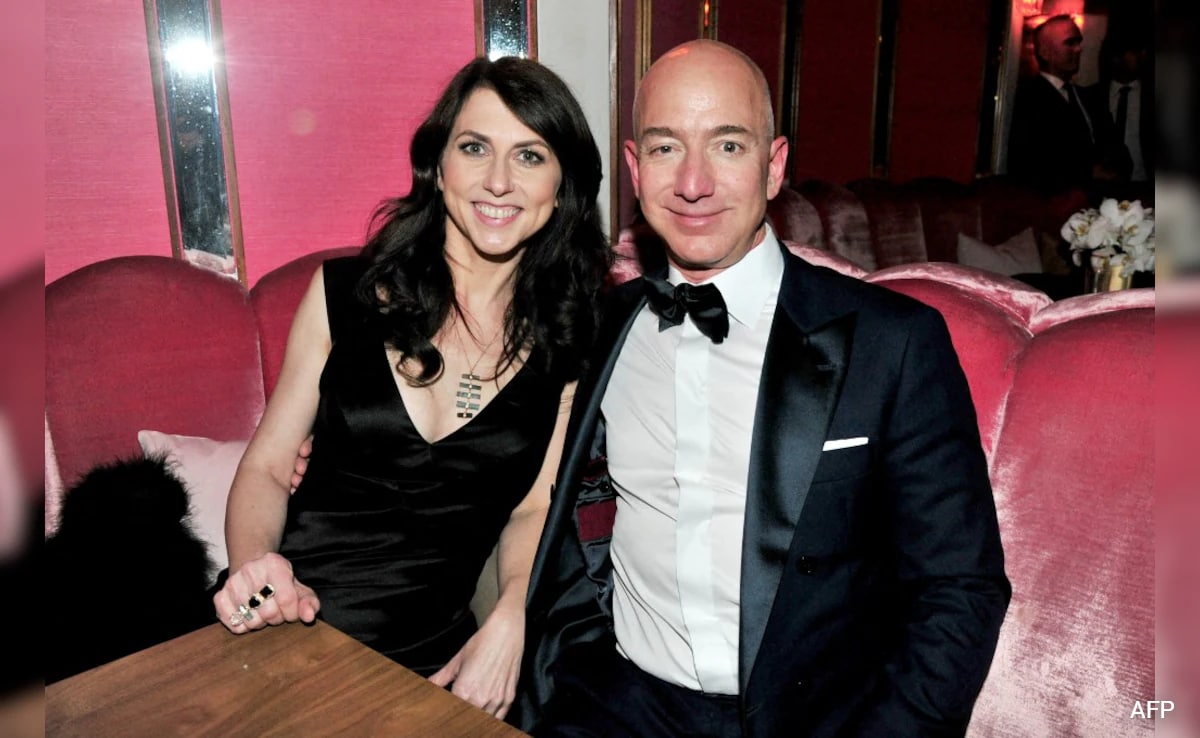
MacKenzie Scott just dropped $70 million into the bank account of Meals on Wheels America. For most of us, that's a lottery-level number. For the millions of seniors in this country who don't know where their next hot meal is coming from, it’s a lifeline that’s been overdue for decades.
I’ve followed Scott’s "Yield Giving" strategy for a while now. She doesn’t do the typical billionaire dance of making charities jump through hoops for five years to prove they "deserve" a grant. She finds organizations doing the work, sends them the cash, and stays out of the way. This latest move targets a crisis that most people ignore until it hits their own parents: senior hunger and the crushing weight of isolation.
The Reality of Being Old and Hungry in America
Let’s be blunt. We live in the wealthiest nation on earth, yet nearly 14 million older adults are currently worried about having enough to eat. That isn't just a "poverty" issue; it’s a systemic failure.
When you look at the data, the numbers are actually quite terrifying. About 56% of seniors report feeling lonely, which health experts now treat as a medical epidemic. Loneliness isn't just a "bummer"—it’s as dangerous for your heart and brain as smoking 15 cigarettes a day. Meals on Wheels doesn't just deliver a tray of food; they deliver a human face. For many of these folks, the person at the door is the only person they’ll speak to all day.
The Infamous Four Month Wait
The biggest problem isn't that the food doesn't exist. It's that the pipes are clogged. Right now, one in three local Meals on Wheels providers has a waitlist. Think about that. If you're 80 years old, recovering from surgery, and can’t stand up long enough to boil water, a four-month waitlist is basically a death sentence.
Scott’s $70 million isn't just going toward buying more chicken and peas. It’s aimed at "Ending the Wait." The goal is to overhaul the infrastructure of the 5,000 community-based programs that make up the network. They need better vans, better software to track routes, and more staff to coordinate the thousands of volunteers who keep the wheels turning.
Why Unrestricted Giving Changes Everything
Most donors want their name on a building or a very specific "pet project." They’ll give money but say, "You can only use this to buy red apples in Cincinnati." It sounds nice, but it’s a nightmare for nonprofit leaders who actually know where the holes are.
Scott’s $70 million is unrestricted. That’s the secret sauce.
Ellie Hollander, the CEO of Meals on Wheels America, can now put that money into the "unsexy" stuff that actually scales. We’re talking about:
- Upgrading local kitchens that haven't been touched since the 90s.
- Expanding medically tailored meals for seniors with diabetes or heart disease.
- Closing the 152-million-meal gap that currently exists because of outdated delivery systems.
I’ve seen how these organizations operate. They’re usually running on fumes and the sheer willpower of retired volunteers. When you give them unrestricted capital, you aren't just buying food; you're buying them the ability to breathe.
The Problem Philanthropy Can’t Fix Alone
I’m going to be honest here: $70 million is a lot, but it’s a drop in the bucket compared to what’s actually needed. The aging population in the U.S. is exploding. By 2030, every Baby Boomer will be over 65. Our federal funding for senior nutrition has been stagnant for years, failing to keep pace with inflation or the sheer number of people entering the system.
Scott is basically shaming the rest of the private sector and the government into stepping up. This gift is a "multiplier." It’s designed to prove that the Meals on Wheels model works so that other donors feel safe putting their money there too. But if we think one billionaire is going to solve senior hunger while the rest of us watch, we’re delusional.
What This Means for Local Communities
You might think this $70 million is just sitting in a vault in Arlington, Virginia. It’s not. It’s trickling down into the systems that support your local neighborhood.
When infrastructure improves, it means:
- Efficiency: Drivers spend less time looking at maps and more time checking on Mrs. Jones.
- Capacity: A local program that could only serve 200 people can now serve 300.
- Sustainability: These programs don’t have to worry if the lights will stay on next month.
How You Can Actually Help Today
Don’t just read about MacKenzie Scott and feel good about the world. That doesn't feed anyone. If this story moves you, the next steps are actually pretty simple and don't require you to be a billionaire.
- Check the waitlist: Call your local Meals on Wheels and ask how long the wait is in your zip code. It’ll give you a reality check real fast.
- Volunteer your lunch hour: Most deliveries happen between 11:00 AM and 1:00 PM. If you work from home, you can literally save a life during your break.
- Advocate for the Older Americans Act: This is the federal bill that funds these programs. It needs more teeth and more money. Email your representative and tell them senior hunger isn't a negotiable budget item.
We’re all going to be old one day. We should probably make sure the safety net is strong enough to catch us when it’s our turn to wait at the door. MacKenzie Scott just did her part. The rest is on us.