A 6.0 magnitude earthquake just rattled the Pacific Ocean seabed, and while the initial headlines might look like a standard alert, there's a lot more to this than a needle jumping on a seismograph. Most people see "6.0" and think it's just another moderate tremor in a region used to tectonic tantrums. They're wrong. When the earth moves with that kind of force under thousands of feet of water, the variables change instantly. It isn't just about the shaking. It’s about the displacement, the depth, and the specific architecture of the ocean floor that determines whether we’re looking at a non-event or a coastal emergency.
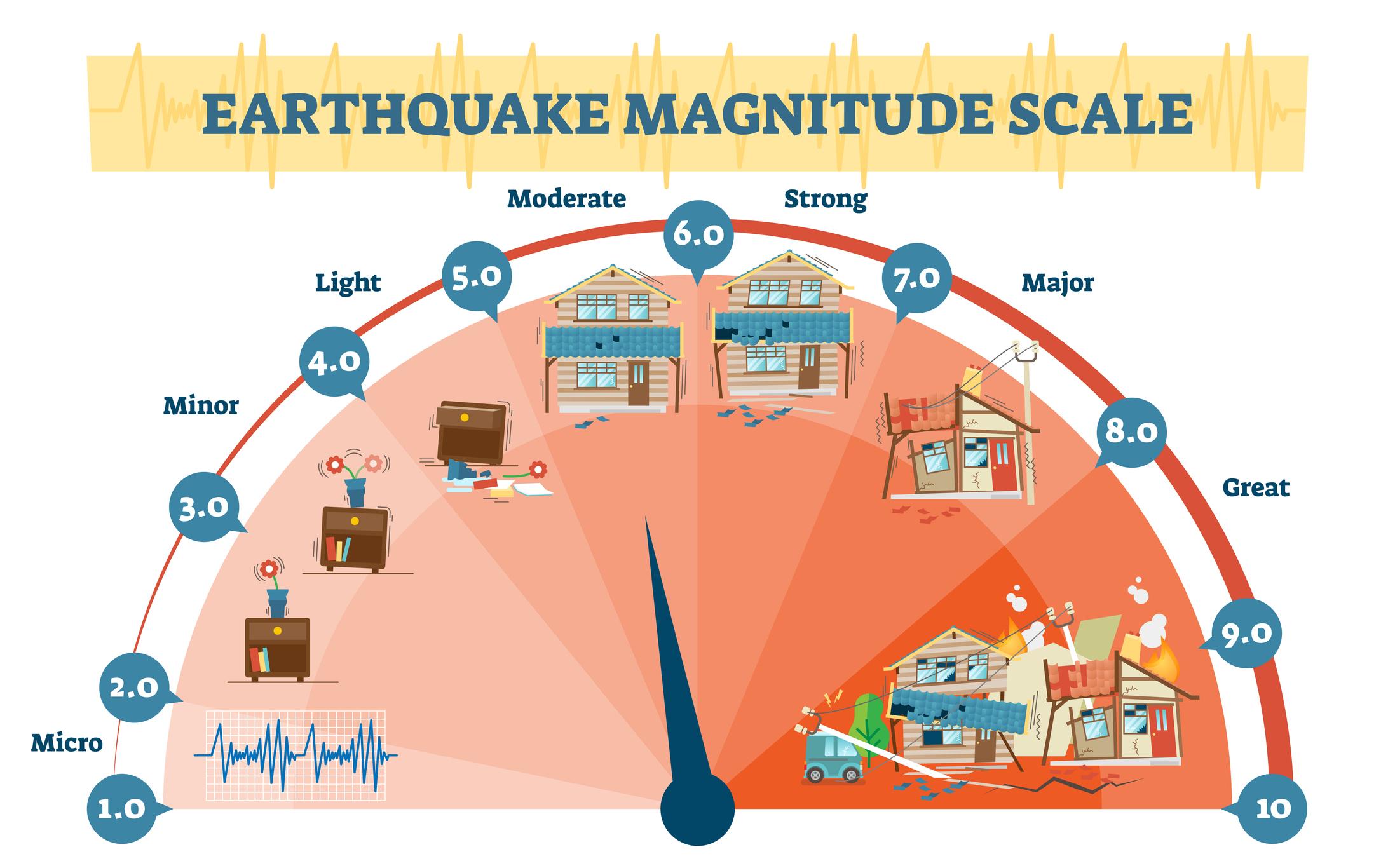
The U.S. Geological Survey (USGS) confirmed the strike happened in a known volatile zone. These mid-ocean ridges and subduction zones are the world's most active construction sites. They're constantly recycling the planet’s crust. A 6.0 is technically "strong" on the Richter scale. It's ten times more powerful than a 5.0. That’s a massive leap in energy release that most casual news readers don’t quite grasp.
The Real Physics of Underwater Shaking
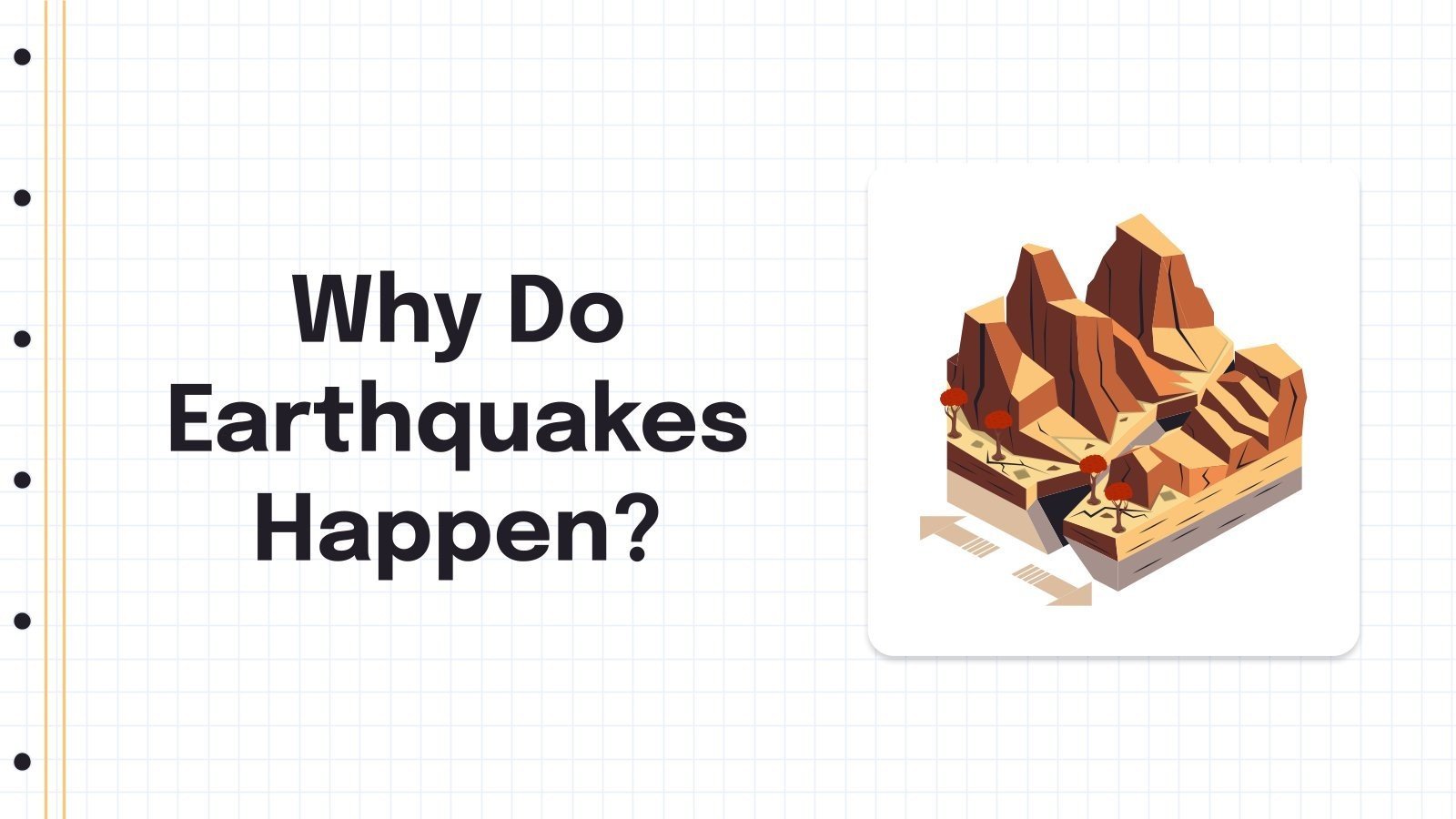
You've probably heard that the ocean acts as a shock absorber. In some ways, it does. But water is also incompressible. When the seabed thrusts upward during a 6.0 event, it moves the entire water column above it. This is how tsunamis start, though a 6.0 is usually right on the borderline of being too small to trigger a destructive basin-wide wave. It usually takes a 7.0 or higher to really get the ocean moving toward distant shores.
However, the depth is the secret sauce here. An earthquake at 10 kilometers deep feels much different than one at 100 kilometers. Shallow quakes are the ones that keep emergency managers awake at night. They dump all that kinetic energy directly into the crust and water, rather than letting it dissipate through layers of mantle. If this 6.0 was shallow, the local impact on nearby island chains or shipping lanes is significant.
Why the Ring of Fire is Always the Culprit
The Pacific is essentially a giant, liquid-filled bowl surrounded by a ring of fire. It sounds dramatic because it is. About 90% of the world's earthquakes happen here. This isn't just bad luck. It’s the result of the Pacific Plate grinding against a dozen other smaller plates like the Philippine Sea Plate or the Nazca Plate.
I’ve looked at the data from similar strikes in the past decade. Often, these mid-ocean events are ignored because they don't topple skyscrapers. But they're diagnostic. They tell us where the stress is building. If a 6.0 hits a segment of a fault that’s been quiet for fifty years, it’s a warning shot. It means the "lock" on that fault is slipping.
The Tsunami Warning Game
The moment the sensors at the Pacific Tsunami Warning Center (PTWC) in Hawaii pick up a 6.0, a clock starts. They don't have the luxury of waiting for a visual confirmation of a wave. They use DART (Deep-ocean Assessment and Reporting of Tsunamis) buoys. These are incredible pieces of tech sitting on the seafloor that can detect a pressure change equivalent to a fraction of an inch in the total ocean depth.
If you’re living on a coast, you don't wait for the official siren if you feel the ground shake for more than twenty seconds. That's the golden rule. Even if the sensors say 6.0, local bathymetry—the shape of the underwater ground—can amplify a small surge into something dangerous in a specific bay or harbor.
Misconceptions About Magnitude
People love the Richter scale, but seismologists actually use the Moment Magnitude Scale (Mw) now. It’s more accurate for large quakes. A 6.0 means the fault slipped by a specific amount over a specific area.
Think of it like this.
A 4.0 is a firecracker.
A 5.0 is a grenade.
A 6.0 is a massive industrial explosion.
The energy doesn't scale linearly. It's logarithmic.
What Happens Next on the Sea Floor
Once the shaking stops, the ocean doesn't just go back to normal. These events can trigger massive underwater landslides. Turbidity currents—essentially underwater avalanches of sand and silt—can roar down the continental slope at speeds of 60 miles per hour. They've been known to snap trans-pacific fiber optic cables, which is why your internet might suddenly lag after a "remote" ocean quake.
We also have to watch for aftershocks. A 6.0 usually brings a tail of 5.0 and 4.0 events. These can continue for weeks. Each one further weakens the stability of the subduction zone. If you're a maritime operator or a coastal resident, the first shake is just the opening act.
Immediate Steps for Coastal Safety
If you're in a region prone to these events, stop treating them like "just news." A 6.0 in the Pacific is a reminder to check your local evacuation routes. Most people haven't looked at a tsunami map in years. Do it today.
Keep a battery-powered radio that picks up NOAA weather frequencies. In a major event, cell towers are the first things to go down, either from physical damage or just being overwhelmed by everyone trying to call their family at once.
Check your "go-bag." Is the water expired? Are the batteries corroded? These small chores are what save lives when a 6.0 eventually turns into an 8.0. The Pacific is telling us it's active. Listen to it. Look up your local inundation zone on a government site like tsunami.gov and memorize the high ground. Don't wait for the water to start receding to move. Move when the earth tells you to.