Matt Johnson and Jay McCarrol have constructed a cinematic engine that operates on the systematic collapse of the "fourth wall" into a feedback loop of real-world consequences. While traditional mockumentaries—think This Is Spinal Tap or The Office—utilize a static observational frame, Nirvanna the Band the Show the Movie employs a kinetic, reactive frame. The film’s internal logic dictates that the pursuit of fame is not a narrative goal but a functional requirement for the movie's own existence. This creates a recursive loop where the characters’ failure to achieve stardom within the fiction is the very mechanism that drives the film's production in reality.
The fundamental innovation of the Nirvanna project lies in its rejection of controlled environments. By inserting scripted characters into unscripted, high-stakes public settings, Johnson creates a "social collision" model of filmmaking. The narrative isn't just about two "losers" trying to get a gig at The Rivoli; it is a technical study in how fictional intent can hijack physical reality through sheer audacity and time-travel tropes.
The Architecture of Narrative Interference
The film’s brilliance is built upon three structural pillars that differentiate it from standard improvisational comedy.
1. The Reality-Fiction Interface
In a standard production, the "set" is a closed system. In the Nirvanna universe, the set is the entire city of Toronto, populated by non-actors who are unaware of the script. This creates a high-variance environment. Every interaction with a security guard, a bystander, or a city official is a live experiment in social engineering. The "success" of a scene is measured by the degree to which the real world reacts to the fictional absurdity.
2. Recursive Stakes
The characters, Matt and Jay, are obsessed with getting a show at a specific club. However, the actual filmmakers are obsessed with capturing the footage of that obsession. This creates a doubling effect. When the characters fail, the filmmakers succeed. The tension arises from the fact that the filmmakers must put themselves in genuine legal or physical jeopardy to simulate the characters' incompetence.
3. The Temporal Feedback Loop
By introducing time travel as a plot device, the film complicates its own timeline. It uses the visual language of 90s blockbusters to justify a "lo-fi" aesthetic, while simultaneously using complex editing to make the audience question which events were planned and which were accidental. The time travel is not a sci-fi element; it is a metaphor for the editing process itself—the ability to go back and rewrite a failure into a comedic beat.
Quantifying the Cost of Immersion
The production methodology of Nirvanna the Band the Show the Movie carries a significant "Chaos Tax." Unlike a studio film where costs are fixed through insurance and permits, this film’s budget is effectively a contingency fund for unpredictability.
- Legal Liability as a Creative Tool: The film frequently skirts the edge of trespassing and public disturbance. The legal risk is not a byproduct; it is the catalyst for the authentic reactions seen on screen.
- The Persistence Ratio: For every minute of usable footage involving a "con" or a public stunt, there are likely hours of failed attempts where the real world refused to cooperate or the authorities intervened too early.
- Information Asymmetry: The film relies on the fact that the public does not know they are in a movie. This creates a power imbalance that the film exploits for tension. The moment someone recognizes the actors, the reality-fiction interface breaks, and the scene is rendered useless for the film's specific aesthetic goals.
This methodology mirrors the "Lean Startup" approach in technology: build a minimal viable prank, test it against the public, and pivot the script based on the resulting data (the reaction).
The Time Travel Paradox as Narrative Buffer
The inclusion of a time travel plot in the movie serves a specific functional purpose: it provides a "logic shield." When the characters’ plans become too erratic or the production’s intrusion into reality becomes too jarring, the time travel element allows the audience to suspend their disbelief. It reframes the protagonists’ incompetence as a byproduct of temporal displacement rather than just poor decision-making.
This is a strategic pivot from the original web series and TV show. While the show focused on the "plan of the week," the movie scales this up to a cosmic level. By attempting to use time travel to secure fame, the characters move from local nuisances to metaphysical threats. This escalation is necessary to justify the transition from the small screen to a feature-length cinematic experience.
The Social Engineering of Fame
The film deconstructs the "fame machine" by showing its gears. Matt and Jay are not trying to be talented; they are trying to be perceived. Their strategies—stunts, posters, infiltrating events—are the baseline tactics of the attention economy.
The "Three Pillars of the Fame Machine" as presented in the film are:
- Visibility over Utility: It does not matter if the band can play music (they rarely do). It only matters if their name is seen.
- The Proximity Effect: By physically placing themselves in spaces reserved for celebrities or "important people," they attempt to absorb status through osmosis.
- Manufactured Legend: They act as if they are already famous, hoping the world will eventually correct its records to match their delusion.
The film's irony is that Matt Johnson and Jay McCarrol (the creators) have actually achieved the fame that Matt and Jay (the characters) are failing to get. The film is the evidence of the success of the very tactics it parodies. This creates a "Survivor Bias" within the narrative: we are watching the story of two people who fail, produced by two people who succeeded using the same methods.
Technical Limitations and the "Brave" Aesthetic
The visual style of the film is a deliberate rejection of the high-definition, over-lit aesthetic of modern comedy. It utilizes:
- Long-lens Cinematography: To capture reactions from a distance without alerting the subjects.
- Hidden Body-Mics: Ensuring audio clarity in environments where a boom pole would reveal the ruse.
- Mixed Media: Blending digital footage with film-like textures to create a nostalgic, "found" feel that softens the harshness of the real-world interactions.
This aesthetic choice is tactical. A "slicker" looking film would feel more predatory; the "lo-fi" look makes the protagonists appear more like underdogs, even when their actions are objectively intrusive. It creates a psychological buffer between the audience and the reality of the social disruption occurring on screen.
The bottleneck for this type of filmmaking is scalability. You cannot make a $100 million version of Nirvanna the Band the Show the Movie. The larger the crew, the more visible the fiction becomes, and the less the real world will react authentically. The film exists at the maximum possible scale for this specific genre of "confrontational comedy."
Strategic Recommendation for Content Creators
The Nirvanna model demonstrates that in a saturated media environment, "earned media" through social disruption is more valuable than "paid media" through traditional advertising. The lesson for creators is not to build a time machine, but to build a narrative that is inseparable from the environment in which it is consumed.
To replicate this success, one must:
- Identify a "high-friction" environment where a fictional presence creates immediate, unscripted conflict.
- Maintain a strict hierarchy of "The Bit," where the commitment to the character overrides the desire for social comfort.
- Use the edit to bridge the gap between the chaos of reality and the requirements of traditional storytelling structure.
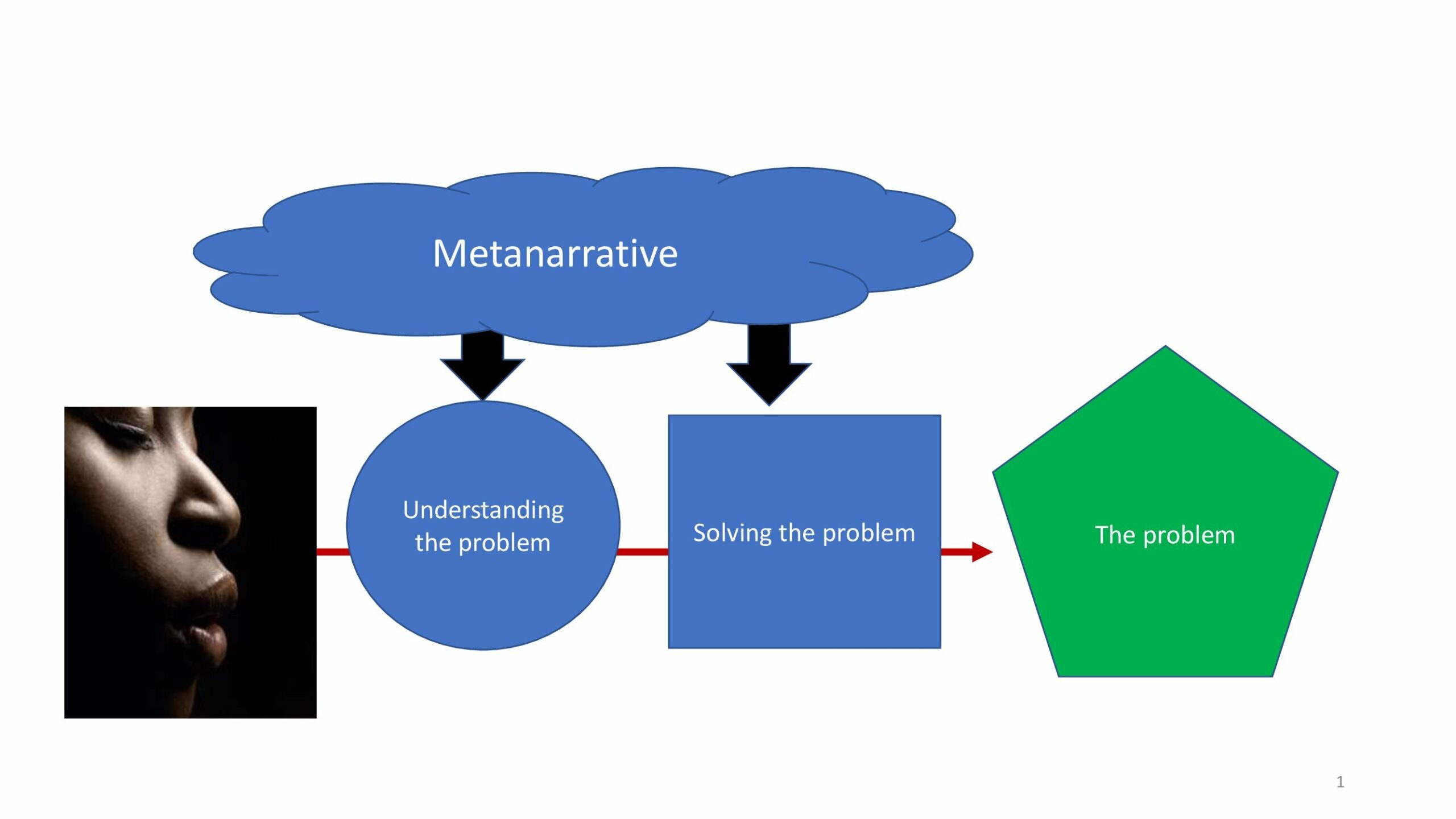
The ultimate play is to weaponize the audience's awareness of the artifice. By showing the seams—the cameras, the failed takes, the real-world confrontations—the film builds a deeper trust with the viewer. It moves from being a "fake" story to a "true" document of a fake story being told. This is the highest form of meta-narrative: where the struggle to make the art becomes the art itself.
Analyze the friction points in your own narrative production. If the environment is not pushing back against the story, the story is likely not pushing hard enough against the audience’s expectations. Success in the modern attention economy requires a willingness to let the real world break your script, provided you are rolling when it happens.