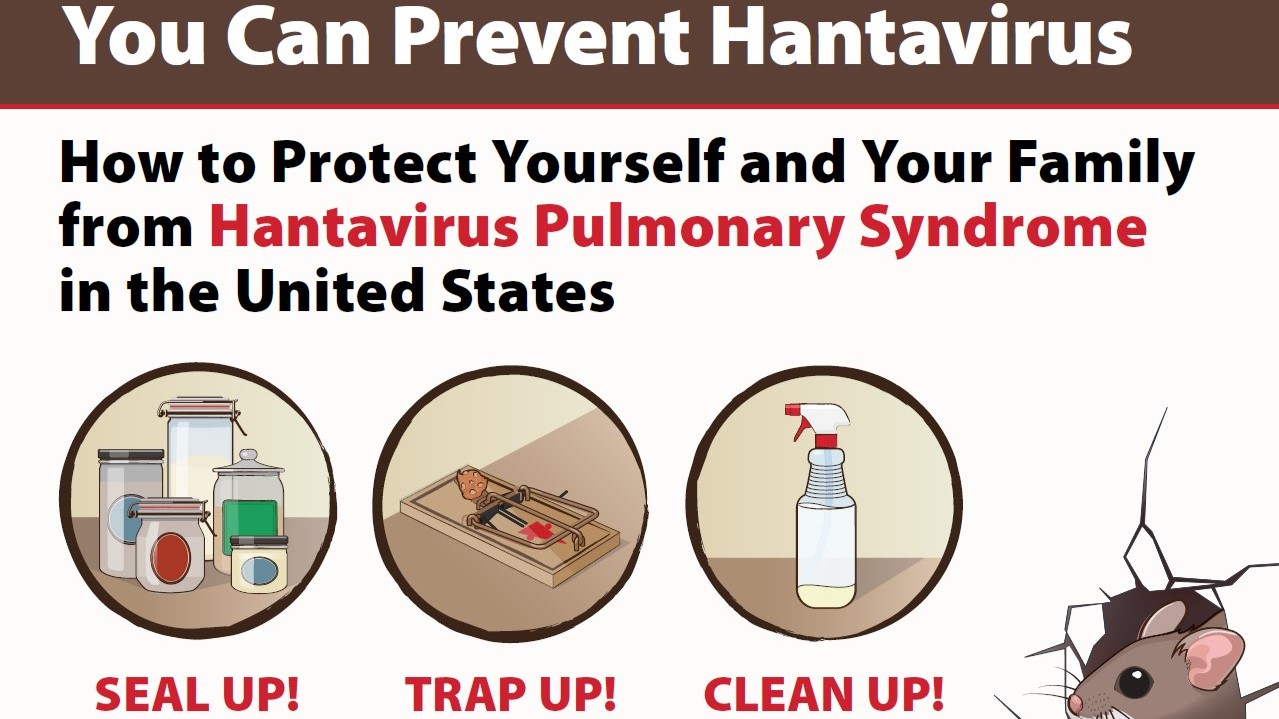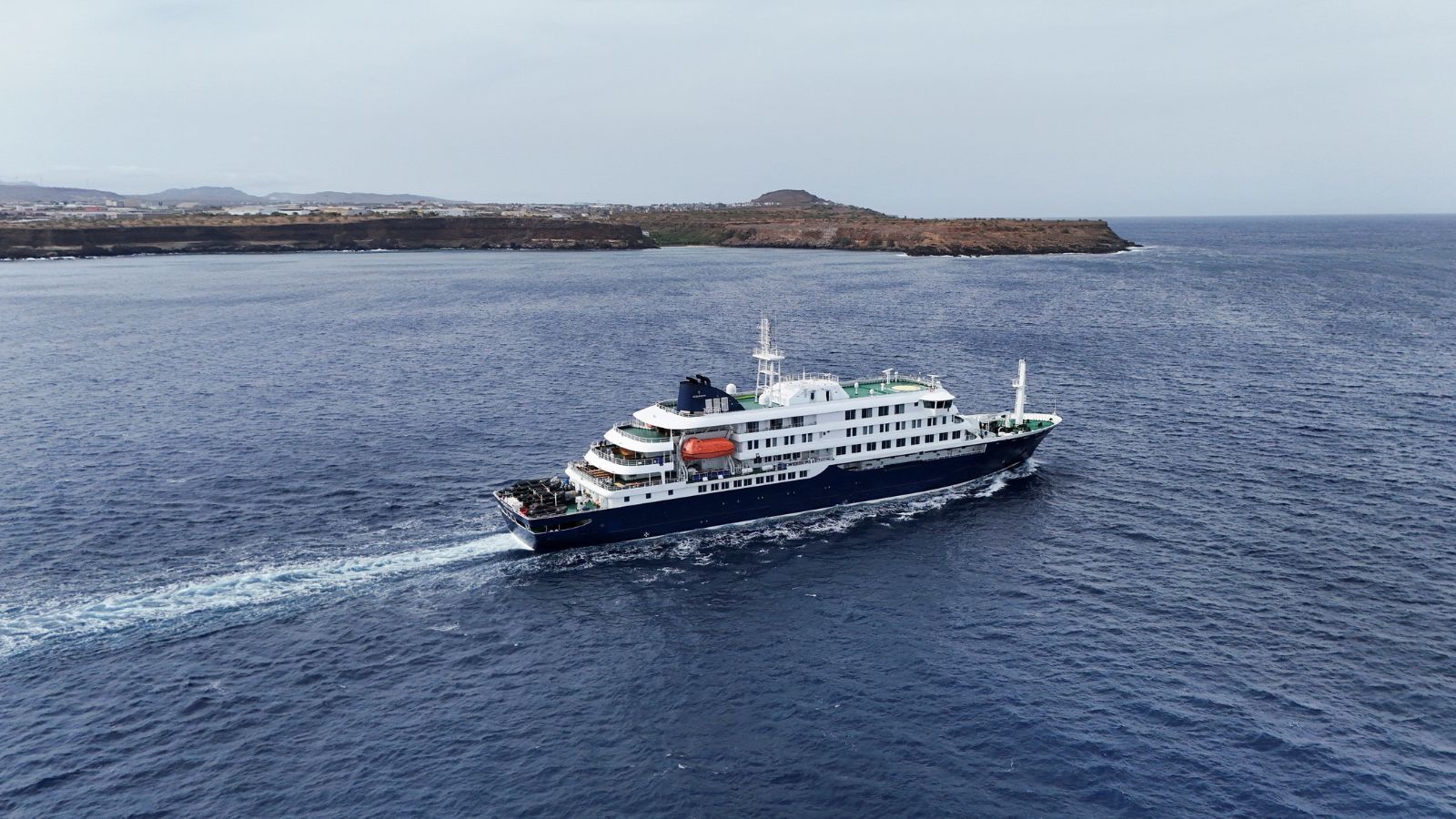
Panic is a contagion that travels faster than any virus. When reports surfaced of a localized hantavirus cluster aboard a commercial vessel off the Spanish coast, the headlines immediately drifted toward global catastrophe. While the World Health Organization (WHO) has dispatched senior officials to oversee the response in Spain, the situation is less a harbinger of a world-ending plague and more a scathing indictment of failing maritime sanitation standards and the biological hazards of modern global trade.
Hantaviruses are not new, and they are certainly not the respiratory "silver bullet" often depicted in sensationalist media. Primarily carried by rodents, these viruses typically jump to humans through the inhalation of aerosolized droppings, urine, or saliva. In the cramped, interconnected belly of a modern ship—where ventilation systems are often aging and cargo holds provide perfect nesting grounds—the risk is concentrated. The current crisis in Spain highlights a massive oversight in how we monitor the health of those who keep the world's supply chains moving.
The Logistics of a Biological Breach
Shipping vessels are floating cities with porous borders. We often think of these ships as sterile steel containers, but they are complex ecosystems. When a vessel docks in a tropical port, it isn't just taking on grain or electronics. It is an open invitation for local fauna.
The specific strain identified in this Spanish incident appears linked to a surge in rodent populations at departure points in South America. Most hantaviruses found in the Americas cause Hantavirus Pulmonary Syndrome (HPS), a severe respiratory disease. The mortality rate is high, often hovering around 35%, which explains the rapid international response. However, the virus does not typically spread from person to person. This is the crucial detail the "global panic" narrative ignores. The danger is localized to the environment of the ship itself.
The real investigative question isn't whether the world is about to catch a new fever. The question is why the international maritime health certificates—the documents meant to prove a ship is vermin-free—failed so spectacularly in this instance.
Breakdown of Maritime Health Governance
Every ship entering a major port must carry a Ship Sanitation Control Certificate. This document is supposed to be the gold standard of maritime hygiene. In reality, it has become a bureaucratic formality.
The Paperwork Trap
Inspectors in overworked ports often rely on "visual checks" that rarely go deeper than the galley or the upper decks. Rodents are elusive. They thrive in the voids between bulkheads and within the insulation of climate-controlled containers. If an inspector doesn't see a rat, the ship gets a clean bill of health. This creates a false sense of security that stays with the vessel across thousands of miles of ocean.
The Crew at Risk
Merchant mariners are the forgotten class of global commerce. When an outbreak occurs, they are often the first to fall ill and the last to receive specialized care. By the time a ship reaches a port like Valencia or Barcelona with a symptomatic crew, the virus has already had weeks to settle into the ship's ductwork. The WHO’s presence in Spain isn’t just about stopping a virus; it is about managing the political fallout of a system that allows infected vessels to roam the seas for weeks without detection.
Dissecting the WHO Intervention
The arrival of the WHO chief in Spain signals a shift in how international bodies perceive "fringe" threats. In the past, a hantavirus case would be handled by local health authorities. Today, every localized outbreak is treated as a potential PR disaster.
The strategy currently being deployed involves a "Deep Clean" protocol that is as much about optics as it is about biology. Special Pathogens branches are utilizing high-grade disinfectants and HEPA-filtered vacuum systems to strip the vessel. This is a massive, expensive undertaking that halts trade and costs millions in demurrage fees.
The WHO is also pushing for a new digitalized tracking system for rodent infestations on ships. If implemented, this would move away from the easily forged paper certificates toward a real-time data log. However, the shipping industry is notoriously resistant to any regulation that adds time to a port call. To the owners of these fleets, a day in quarantine is a day of lost revenue that can never be recovered.
The Myth of the Invisible Killer
Public fear is being fueled by the memory of recent airborne pandemics. This is a fundamental misunderstanding of the science. Hantavirus is heavy. It does not hang in the air for hours or travel across city blocks on a breeze. It requires direct contact with the "dust" of an infested area.
The "global panic" reported by some outlets is a product of social media amplification rather than clinical reality. For the general public in Spain or elsewhere, the risk is statistically zero. The risk remains squarely on the shoulders of the port workers and the seafarers. By framing this as a threat to everyone, we ignore the people who are actually dying. This is a labor rights issue disguised as a medical mystery.
Shifting the Burden of Proof
To prevent a recurrence, the burden of proof regarding ship cleanliness must shift from the port authorities to the ship owners. Currently, a port must prove a ship is "dirty" to deny entry. The logic should be reversed: a ship must provide verifiable, sensor-based evidence that its cargo holds are free of pests before it is allowed to enter coastal waters.
We have the technology to do this. Infrared sensors and acoustic monitoring can detect rodent activity in cargo holds without human intervention. These systems are rarely installed because there is no legal requirement to have them. Until international maritime law catches up with 21st-century biological threats, the Mediterranean will remain a theater for these avoidable dramas.
The situation in Spain will likely resolve with a handful of casualties and a very clean ship. The panic will subside, the headlines will find a new target, and the WHO will issue a report that few will read. But beneath the surface, thousands of other vessels are currently crossing the oceans, carrying the same hidden cargo in their holds, waiting for the next time the ventilation system kicks on and turns a localized pest problem into an international incident.
Clean the holds or prepare for the next quarantine. It is a simple choice that the industry refuses to make.