The diplomatic tightrope in the Persian Gulf just snapped. For years, Qatar played the role of the region’s indispensable middleman, hosting both the largest US airbase in the Middle East and a political office for groups like Hamas, all while keeping a direct line to Tehran. That balancing act died this week.
Iranian Foreign Minister Abbas Araghchi tried to play it cool on Wednesday. In a phone call with his Qatari counterpart, he claimed Iranian missile strikes weren't actually targeting Qatar. According to him, the IRGC was only aiming at "American interests" on Qatari soil. It's a classic bit of gaslighting. Tehran wants to pretend it’s only at war with Washington while using its neighbors as a punching bag.
Doha isn't buying the "it's not you, it's your guest" excuse anymore.
The Reality of Shrapnel and Sovereignty
Qatari Prime Minister Sheikh Mohammed bin Abdulrahman Al Thani didn't mince words. He "categorically rejected" the Iranian narrative. Why? Because the evidence is literally lying in the streets of Doha.
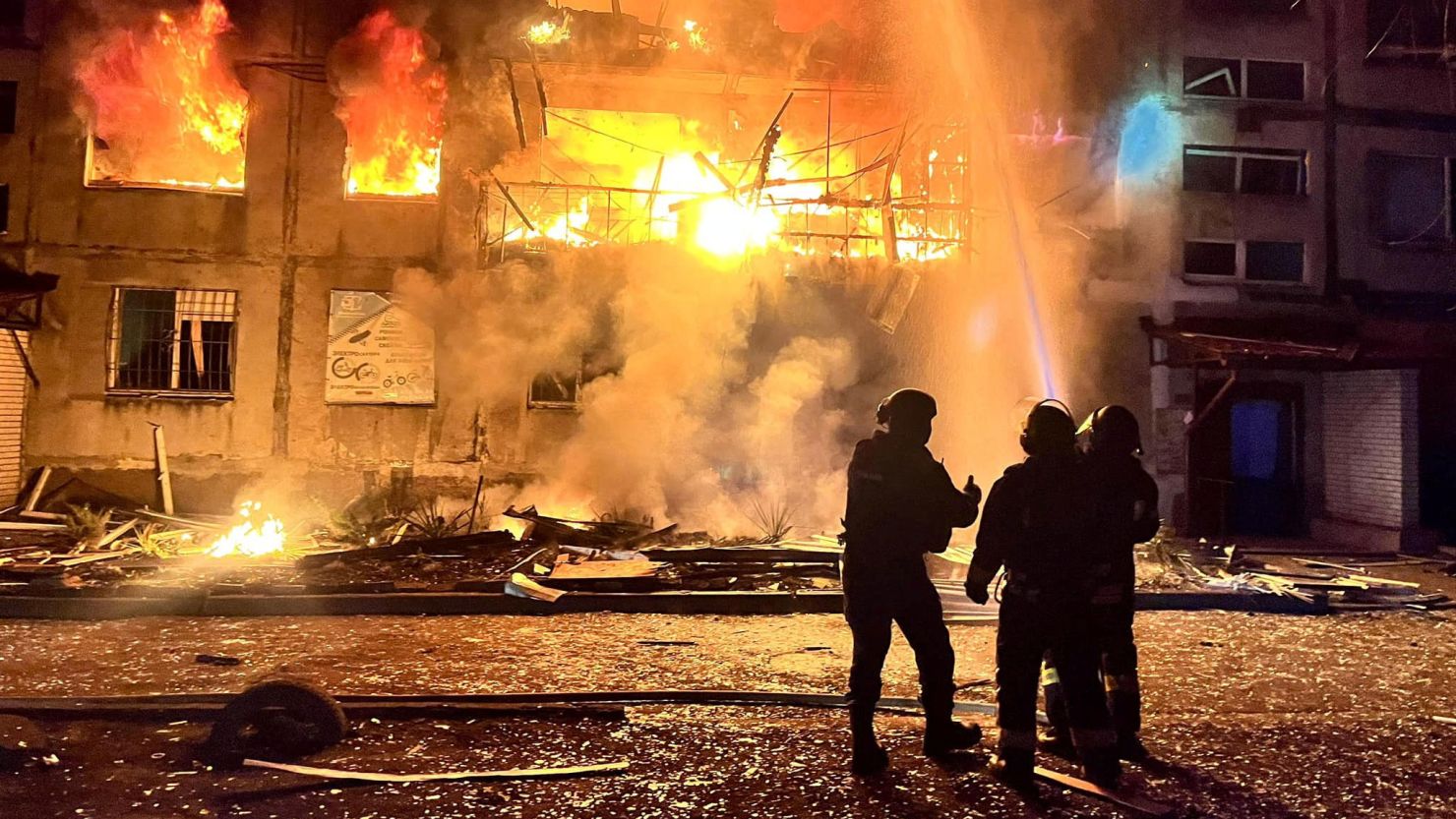
Since the conflict flared up on February 28, 2026, the damage hasn't stayed confined to the perimeter of Al Udeid Air Base. We’re talking about strikes hitting civilian and residential areas. Shrapnel has rained down near Hamad International Airport. Vital infrastructure is smoking. When a missile explodes in a residential neighborhood, the "intent" of the person who pulled the trigger doesn't matter much to the people living there.
The numbers tell a grim story.
- 66 missiles fired toward Qatar in the initial waves.
- Over 100 reports of falling shrapnel across the country.
- 16 civilians injured in the first few days alone.
Iran’s claim that they’re respecting Qatari sovereignty while lobbing ballistic missiles into its airspace is a joke. You can’t claim to be a "good neighbor" while sending Su-24 bombers toward someone’s capital. Qatar’s military reported downing two of those Iranian jets on March 2. That’s not a "surgical strike" against the US; that’s an act of war against a sovereign state.
Why the LNG Shutdown Matters to You
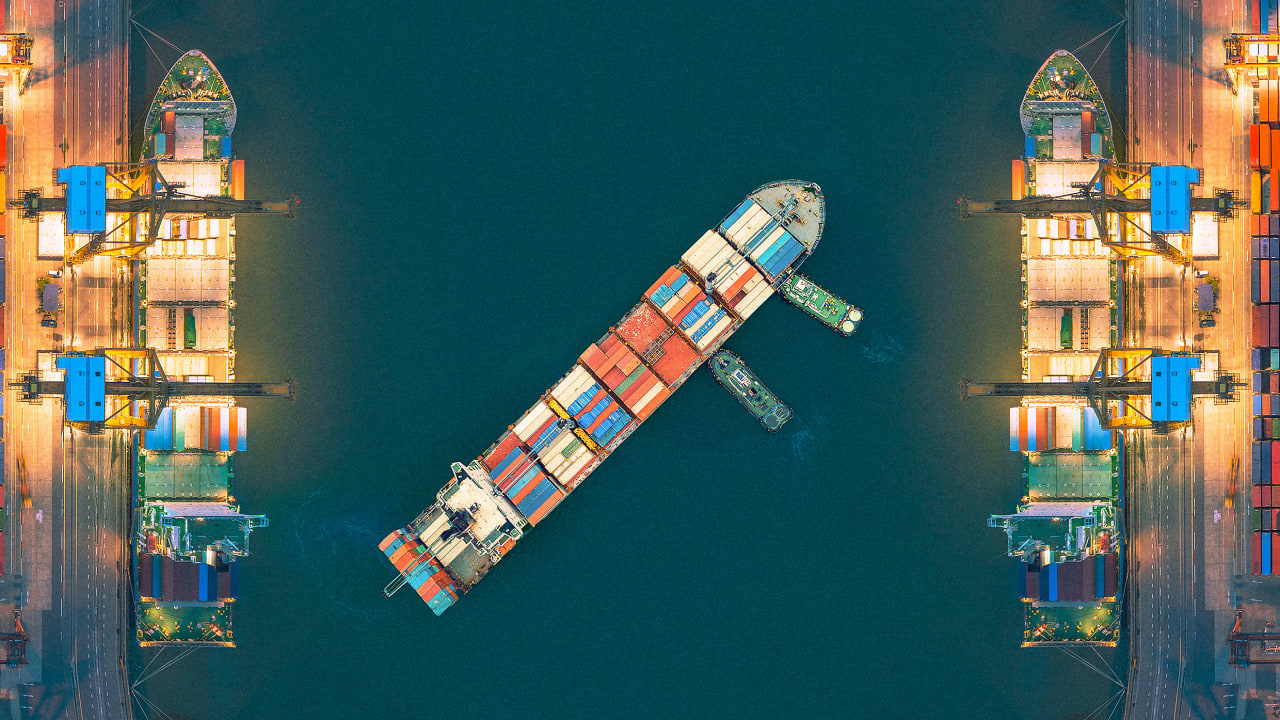
If you think this is just another regional spat, look at your energy bill. Qatar is a global heavyweight in Liquefied Natural Gas (LNG). They provide about 12–14% of Europe’s supply. On March 2, QatarEnergy hit the kill switch on production at Ras Laffan and Mesaieed Industrial City.
They had to. Iranian drones were buzzing the facilities. A single lucky strike on an LNG terminal doesn’t just cause a fire; it creates a massive explosion that could take years to repair. By shutting down, Qatar protected its infrastructure, but it sent global gas prices into a vertical climb.
Tehran knows this. By targeting the vicinity of these plants, they aren't just hitting the US military. They’re holding the global energy market hostage. It’s a message to the West: "If we go down, the lights go out in London and Berlin too."
The End of the Mediator Era
For a long time, Qatar thought it was untouchable because it was useful. It mediated the 2023 prisoner swap between the US and Iran. It hosted the talks that (briefly) cooled down the nuclear standoff. Doha genuinely believed its "open door" policy bought it an insurance policy against Iranian aggression.
They were wrong.
In a moment of existential crisis, Tehran has abandoned the niceties. They’ve moved from diplomacy to "total regional leverage." By striking Qatar, Bahrain, and the UAE, Iran is trying to force these countries to kick the Americans out. They’re betting that the Gulf monarchies will get so tired of being collateral damage that they’ll revoke CENTCOM’s parking rights.
But the strategy is backfiring. Instead of cowering, Doha is arresting IRGC-linked cells. On March 4, Qatari authorities picked up 10 people suspected of spying and planning sabotage. The "good faith" relationship Iran’s foreign ministry keeps talking about is currently being incinerated by their own hardware.
What Happens Now
The "Dialogue Table" that Qatar keeps calling for is currently empty. You don't negotiate with someone while you’re still ducking their missiles.
Qatar has already shifted its schools to remote learning and put its healthcare sector on "full alert." This isn't a temporary hiccup; it’s a national shift to a war footing. Despite the PM’s insistence that Qatar wants peace, the military is clearly authorized to hit back. Downing two Iranian bombers shows they have the teeth to do it.
If you’re tracking this, keep your eyes on the Strait of Hormuz. If Iran continues to insist they aren't "targeting" their neighbors while the missiles keep landing in Doha’s suburbs, expect Qatar to lean even harder into its US security guarantees. The very thing Iran wants to destroy—the US presence in the Gulf—is becoming the only thing keeping the Gulf states' sovereignty intact.
Keep an eye on the official statements from the Qatari Ministry of Interior for safety zones if you're in the region. For everyone else, watch the European gas hubs. The price of "targeted" strikes is about to get very expensive for the whole world.