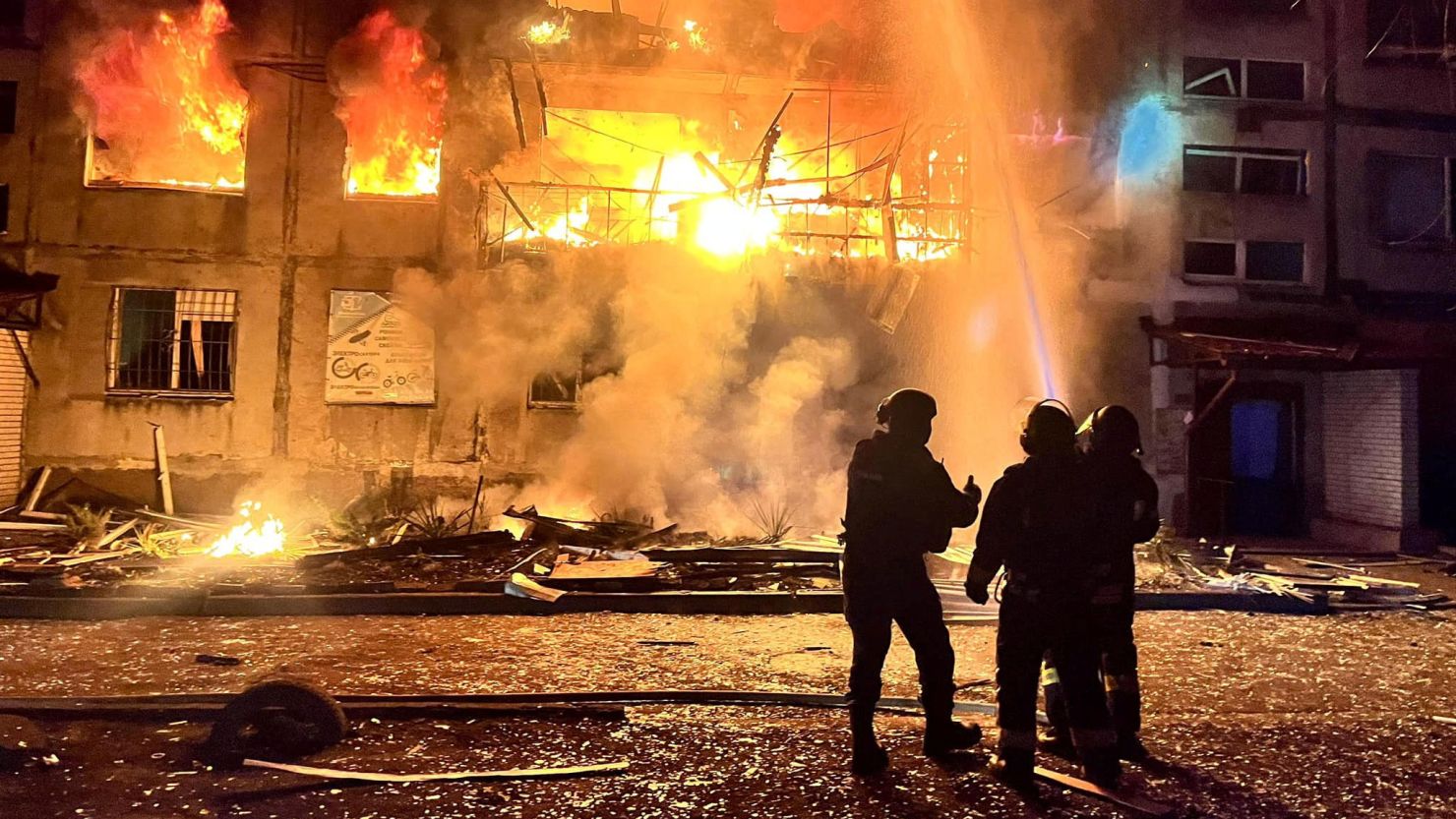
The interception of an Iranian ballistic missile by NATO-linked assets near the Turkish border represents more than a tactical success; it confirms the operational maturity of the European Phased Adaptive Approach (EPAA). This kinetic event coincides with a structural shift in Tehran’s internal power hierarchy. The emergence of a frontrunner for the position of Supreme Leader is not a matter of personality politics, but a strategic realignment of the Office of the Supreme Leader (Beyt-e Rahbari) to ensure the survival of the velayat-e faqih system against external military pressure and internal economic stagnation.
The Mechanics of Kinetic Neutralization
The destruction of a sophisticated missile heading toward a NATO member state (Turkey) validates the multi-layered defense architecture currently deployed across the Eastern Mediterranean and Anatolia. To understand why this interception succeeded, one must evaluate the Detection-to-Engagement Loop.
- Early Warning Integration: The AN/TPY-2 radar station in Kürecik, Turkey, serves as the eyes of the system. By operating in the X-band frequency, it identifies ballistic threats in the boost phase, providing the high-resolution tracking data necessary for mid-course interception.
- Command and Control (C2): Data is relayed through the Aegis BMD system. The decision to engage is governed by automated algorithms that calculate the "Probability of Kill" ($P_k$) based on trajectory, velocity, and atmospheric conditions.
- Terminal Phase Execution: The use of SM-3 interceptors, which utilize kinetic "hit-to-kill" technology rather than explosive warheads, ensures the total destruction of the threat through sheer force of impact ($1/2 mv^2$).
This successful engagement shifts the regional "Cost-Exchange Ratio." For Iran, the financial and technical capital required to produce and launch a medium-range ballistic missile (MRBM) is significantly higher than the marginal cost of a NATO interceptor maintained on high-alert status. This creates a strategic bottleneck for Tehran: their primary tool of external deterrence is being rendered economically and tactically obsolete by passive defense grids.
The Iranian Succession Framework
Simultaneous with these military frictions, the Iranian political establishment is narrowing the field for the successor to Ayatollah Ali Khamenei. The emergence of a clear frontrunner—likely Mojtaba Khamenei or a high-ranking member of the Assembly of Experts—signals a move toward Systemic Consolidation.
The selection process is governed by three primary pillars:
I. The Clerical-Legal Mandate
The Assembly of Experts must ensure the candidate possesses the requisite religious credentials to maintain the "Guardianship of the Jurist." However, the definition of a "Grand Ayatollah" has become increasingly fluid, shifting from pure theological scholarship to "political jurisprudence." The frontrunner must demonstrate the ability to issue fatwas that align with the survival of the state, not just the tenets of the faith.
II. The IRGC Praetorian Guard
The Islamic Revolutionary Guard Corps (IRGC) functions as the ultimate kingmaker. They require a leader who will protect their vast economic empire, which controls an estimated 30% to 50% of the Iranian GDP through various bonyads (charitable foundations) and front companies. Any successor must be a "Security First" candidate who prioritizes the military-industrial complex over civilian diplomatic outreach.
III. The Legitimacy Deficit
The incoming leader inherits a "Trust Gap" characterized by high inflation and a devalued Rial. The logic of the current frontrunner's platform focuses on the "Resistance Economy"—a self-sufficient model designed to bypass Western sanctions. This necessitates a leader who is unencumbered by the desire for Western rapprochement, as the regime views any opening to the West as a precursor to "soft subversion."
Tactical Implications for Turkey and NATO
The proximity of the missile launch to Turkish territory forces Ankara to recalibrate its "Active Neutrality" policy. Turkey’s role in NATO’s missile defense is a friction point in its bilateral relationship with Iran, yet the interception proves that the Kurecik radar is an existential requirement for Turkish national security.
The threat profile is evolving from single-missile launches to Saturated Salvo Attacks. If Iran perceives its single-shot capability is neutralized, it will likely pivot toward "Swarm Intelligence" tactics, using a combination of Shahed-type loitering munitions and ballistic missiles to overwhelm the Aegis system's processing capacity.
For NATO, this means the next phase of deployment must focus on:
- Directed Energy Weapons (DEW): Reducing the "cost-per-shot" to near zero to counter low-cost drone swarms.
- Enhanced Signal Intelligence (SIGINT): Identifying launch preparations in real-time to allow for "left-of-launch" interventions.
The Succession-Conflict Feedback Loop
The timing of the frontrunner's emergence is not accidental. In the historiography of the Islamic Republic, external threats have frequently been utilized to silence domestic dissent and unify competing factions within the conservative camp. A "Controlled Escalation" with NATO or its allies provides the necessary political cover for the Assembly of Experts to bypass more moderate candidates in favor of a hardliner who can claim a wartime mandate.
This creates a high-risk feedback loop:
- External Provocation: Iran tests NATO's red lines (the missile launch).
- Military Response: NATO successfully intercepts, demonstrating technical superiority.
- Domestic Capitalization: Hardline factions in Tehran use the "NATO Aggression" narrative to accelerate the transition to a security-focused Supreme Leader.
- Policy Rigidity: The new leader, having risen through a period of heightened tension, is less likely to engage in the JCPOA or similar nuclear/ballistic constraints.
Strategic Forecast
The intersection of missile defense success and Iranian political transition suggests a period of Hardened Containment. The era of seeking "moderates" within the Iranian system is effectively over. The frontrunner's ascension will likely be accompanied by a surge in proxy activity across the "Axis of Resistance" (Lebanon, Yemen, Iraq) to compensate for the demonstrated vulnerability of their domestic missile technology.
Investors and geopolitical analysts should monitor the "Assembly of Experts" internal communiqués for any shift in the "Selection Committee's" composition. On the technical side, the deployment of additional THAAD (Terminal High Altitude Area Defense) batteries to the region will be the primary indicator of whether NATO expects the Iranian "Swarm" pivot to occur within the current fiscal cycle.
The strategic priority for the West is no longer preventing the transition, but shaping the environment in which the new leader must operate. This involves maintaining a $100%$ interception rate to signal that the "Missile Diplomacy" era has reached a technical dead end, forcing the next Supreme Leader to either accept economic terminality or pursue a fundamental shift in regional posture.
Intelligence agencies should now focus on the IRGC's internal "Loyalty Audits," which typically precede a change in the Supreme Leadership. Any signs of fracturing within the Guard's upper echelons would represent the only variable capable of derailing the current frontrunner's path to power.