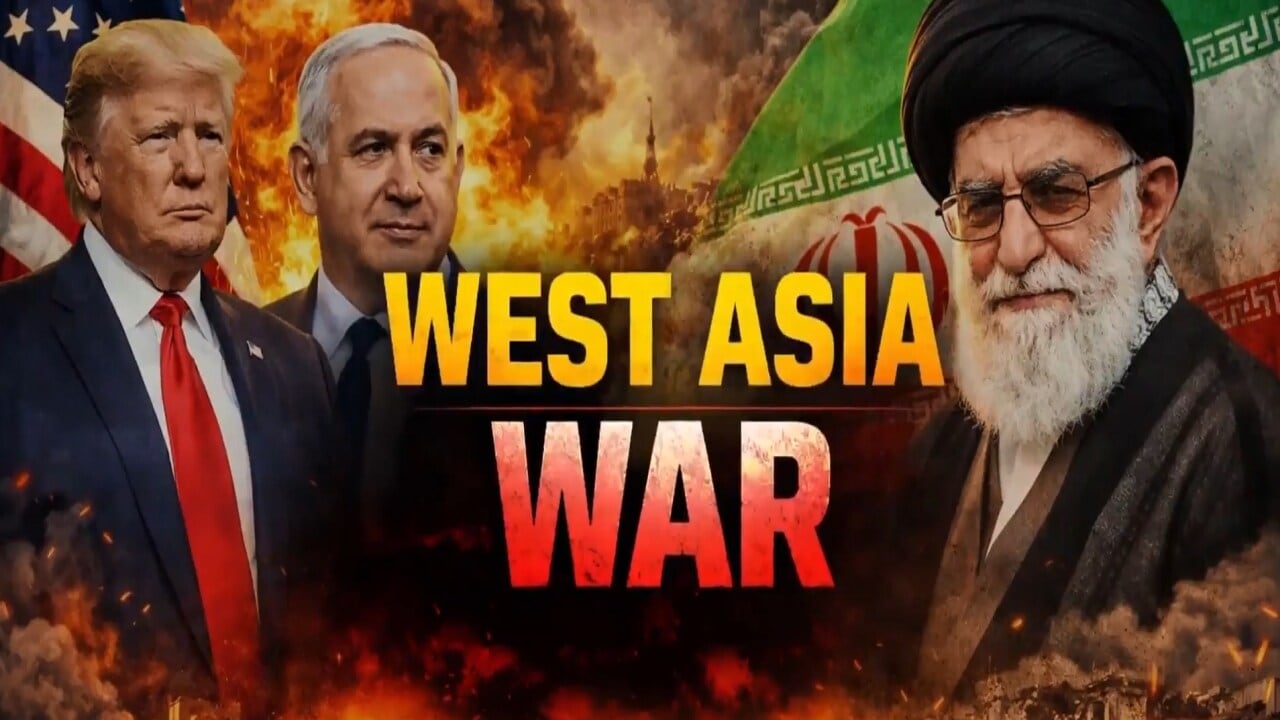
The media is obsessed with the idea that Iran has "stumped" Washington. They look at the shifting signals, the tactical pauses, and the sudden bursts of aggression, and they see a masterclass in Persian chess. They claim the U.S. is paralyzed by mixed messages. They are wrong.
Washington isn’t stumped; it’s bored and structurally incapable of long-term strategy. The "mixed signals" coming out of Tehran aren't a sign of Iranian brilliance. They are a sign of internal desperation and a frantic attempt to keep a crumbling regime relevant in a world that is rapidly moving past the 1979 playbook. If you think the current tension is a sophisticated game of cat and mouse, you’re falling for the oldest trick in the geopolitical book: mistaking noise for signal.
The De-escalation Delusion
Pundits love the word "de-escalation." It sounds sophisticated. It implies a dial that both sides are carefully turning. In reality, de-escalation is usually just a fancy term for "running out of ammo" or "waiting for the next paycheck."
When analysts suggest Iran is sending "mixed signals" to test American resolve, they assume a level of centralized, hyper-rational control that simply doesn't exist in the Islamic Revolutionary Guard Corps (IRGC). The signals are mixed because the leadership is fractured. One faction wants to save the economy; another wants to see the world burn to justify their budget.
We treat the Iranian state as a monolith. I’ve watched intelligence briefs for years that make this mistake. We project our own desire for a "grand bargain" onto a regime that survives specifically because it avoids one. A grand bargain requires a finish line. The IRGC doesn't want a finish line; it wants a perpetual track.
Why Maximum Pressure Didn't Fail (It Just Wasn't Finished)
The lazy consensus is that "Maximum Pressure" was a disaster because it didn't force Iran back to the table. This is a fundamental misunderstanding of what pressure is for. You don't squeeze an orange to make it talk; you squeeze it to get the juice.
The goal of economic isolation isn't always a treaty. Sometimes the goal is simple resource depletion. In 2024 and 2025, we’ve seen the results of that depletion: a massive brain drain from Tehran, a domestic currency that is more useful as wallpaper than money, and a reliance on shadow banking that leaves the regime vulnerable to the kind of cyber-financial warfare we haven't even begun to deploy.
The "stumped" narrative suggests that because Trump (or his successors) didn't get a photo op in Geneva, the policy failed. In reality, the policy shifted the burden of proof onto Iran. For the first time in decades, the regime has to prove why it should exist to its own people, not just to the UN.
The Geopolitical Cost of "Waiting and Seeing"
While Washington "waits for clarity," the private sector is paying the price. Risk premiums in the Strait of Hormuz aren't high because Iran is strong; they’re high because the U.S. response is predictable. We respond to kinetic actions with statements. We respond to drone strikes with sanctions on individuals who don't even have bank accounts in the West.
If you want to actually disrupt the cycle, you stop looking at the "signals" and start looking at the logistics.
- Energy Independence is the Only Real Sanction: As long as the world relies on a global oil price that can be spiked by a single limpet mine, Iran has leverage. The moment we decouple global energy security from Middle Eastern geography, the IRGC becomes a local police force with a bad attitude.
- The "Shadow Fleet" is the Real Target: There are hundreds of aging tankers moving Iranian crude under flags of convenience. We know where they are. We know who insures them. The fact that they are still floating is a policy choice, not a strategic failure.
- Internal Friction is the Lever: Stop trying to talk to the "moderates." There are no moderates in a theocracy; there are only people who are better at lying to Western journalists. The real leverage is the disconnect between the aging clerical elite and a Gen Z Iranian population that wants high-speed internet and global trade, not martyrdom.
The Fallacy of the "Mixed Signal"
Let’s dismantle the "mixed signal" argument once and for all. If I punch you in the face and then offer you a band-aid, that isn't a mixed signal. It's a provocation followed by a demand for submission.
Iran's "de-escalation" moves—like the temporary pauses in enrichment or the peripheral release of prisoners—are tactical breathers. They are the geopolitical equivalent of a timeout in a football game. The goal isn't to stop the game; it's to catch their breath because the defensive line is starting to crumble.
When author Ray Locker or other observers suggest the U.S. is "stumped," they are looking at the scoreboard at halftime and assuming the game is over. They ignore the fact that the Iranian regime is currently facing its most significant domestic legitimacy crisis since the revolution.
The Real People Also Ask: Dismantled
- "Is Iran winning the proxy war?" No. They are losing the demographic war. You can win every skirmish in Lebanon and Yemen, but if you lose your own youth in Tehran, you’ve lost the war. Their proxies are expensive liabilities, not strategic assets.
- "Should the U.S. return to the JCPOA?" The original premise of the JCPOA was built on 2015 technology. In a world of AI-driven enrichment and 3D-printed drone components, the old "breakout time" metrics are obsolete. Asking to go back to the JCPOA is like asking to go back to dial-up internet to solve a cybersecurity crisis.
- "What happens if the Strait of Hormuz closes?" Everyone panics for 48 hours, then the world realizes that the global supply chain has already begun diversifying. The threat of closing the Strait is more powerful than the act itself. Once you do it, you lose the threat, and you invite a level of kinetic response that ends your navy in an afternoon.
The Professional Risk of Over-Intellectualizing
I’ve sat in rooms with "Middle East experts" who have spent forty years studying the nuances of the Supreme Leader’s speeches. They treat every adjective like a move in a grand strategy. It’s a waste of time.
The Iranian leadership is playing a game of survival. They are not trying to "stump" the U.S.; they are trying to avoid a systemic collapse. When we over-intellectualize their actions, we give them a level of credit they haven't earned. We turn a desperate survival strategy into a brilliant chess move.
The downside to my approach? It requires stomach. It requires the willingness to ignore the "mixed signals" and focus on the hard reality of power. It means accepting that there might not be a "diplomatic solution" that results in a handshake and a treaty. Some problems aren't solved; they are outlived.
The status quo isn't a stalemate. It’s a slow-motion collapse of an outdated revolutionary model. The only way the U.S. gets "stumped" is if it continues to believe that Iran is a rational actor looking for a way out. They aren't looking for a way out. They are looking for a way to stay in.
Stop reading the tea leaves of Iranian foreign policy. Start reading the ledger of their central bank and the social media feeds of their students. That’s where the real "signal" is. Everything else is just theatre designed to keep the "experts" talking while the regime tries to find its next meal.
Stop looking for the "de-escalation" dial. It’s a ghost. Focus on the structural realities of power, or get out of the way for those who will.