Nepal is heading to the polls on March 5, 2026, for a snap general election that feels less like a routine vote and more like a national reset. This isn't just about picking 275 names for the House of Representatives; it's the aftermath of the massive youth-led protests in September 2025 that basically forced the old guard to clear out. If you're looking for a simple breakdown of how this massive logistical puzzle works—from the two-ballot system to why the counting takes so long—you've come to the right place.
The stakes are high. Nearly 19 million people are registered to vote. Among them are 800,000 first-timers who grew up in the digital age and aren't interested in the same old political promises.
The Two Ballots in Your Hand
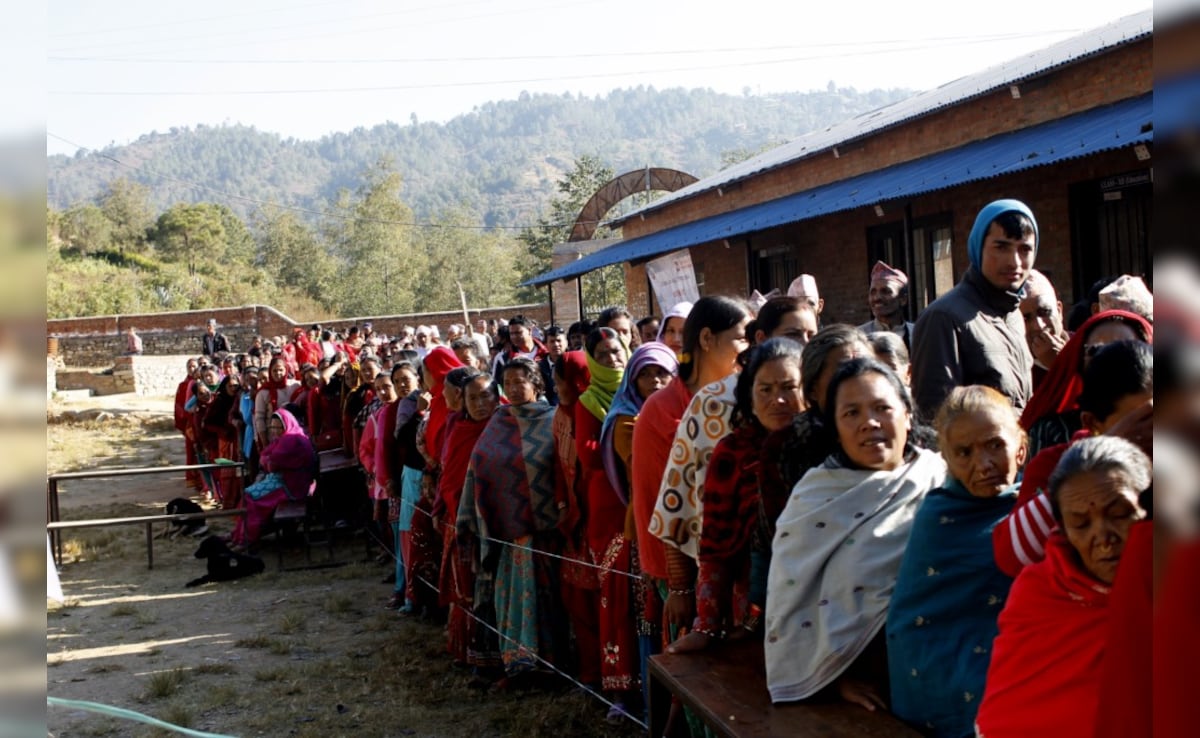
When you walk into one of the 23,112 polling centers across Nepal, you aren't just voting once. You're handed two separate ballot papers. Nepal uses a "mixed electoral system," which is a fancy way of saying they combine direct voting with party-list voting.
First Past The Post (FPTP)
The first ballot is for your local candidate. This is the direct race. There are 165 constituencies across Nepal, and in each one, the person with the most votes wins. It doesn't matter if they get 90% or 21%—as long as they have one more vote than the runner-up, they're going to Kathmandu.
Proportional Representation (PR)
The second ballot is for the political party you prefer. This is where the remaining 110 seats come from. You don't pick a person here; you pick a symbol. The total number of votes a party gets nationwide determines how many of those 110 seats they receive. If a party gets 10% of the nationwide PR vote, they'll get roughly 10% of those seats, provided they cross the 3% "threshold."
Who Gets to Vote and How
To vote on March 5, you had to be 18 years old by March 3 and already on the electoral roll. One thing that trips people up every year is the location. You can't just vote at the booth down the street from your apartment in Kathmandu if you're registered in your home village in the mountains.
Nepal doesn't have an absentee or overseas voting system. This means hundreds of thousands of people are currently traveling across the country—on buses, planes, and even trekking through snow—to reach their ancestral homes. For some, this journey costs more than a month’s salary, but the energy this year suggests people are willing to pay it.
The Counting Game Why It Takes Weeks
If you're expecting a winner by dinner time on election night, prepare for a long wait. Nepal counts ballots manually. There are no electronic voting machines here.
- The Transport: Once the polls close at 5:00 PM, ballot boxes are sealed. In remote areas like Dolpa or Humla, these boxes often have to be carried by porters or flown by helicopter to the district headquarters.
- The FPTP Count: These are counted first. Since they're local, you usually see the first results within 24 to 48 hours.
- The PR Tally: This is the nightmare. The Election Commission has to tally every single vote from every corner of the country to calculate the final percentages. Because there are 65 parties in the mix, the math is grueling. It can take two to three weeks to finalize the 110 PR seats.
The Gen Z Factor and New Faces
What makes the 2026 election different from 2022 or 2017? The candidate list. Out of the 3,406 candidates running in the direct FPTP races, over 1,000 are under the age of 40.
You've got people like Balen Shah, the 35-year-old former rapper and engineer, challenging veterans like K.P. Sharma Oli in his own stronghold. Then there's Gagan Thapa, who's trying to position himself as the bridge between the old leadership and the new wave. The "Silence Period"—the 48 hours before the election where campaigning is banned—has been unusually tense because social media makes it nearly impossible to stop the chatter.
What Happens After the Vote
To form a government, a party or a coalition needs 138 seats (a simple majority). Historically, no single party has been able to do this alone because of the PR system. It’s designed to be inclusive, which also makes it messy.
Expect several days—or weeks—of "horse-trading" after the results are out. Small parties often become the kingmakers, demanding specific ministry positions in exchange for their support.
If you're heading to the polls, make sure you have your voter ID card or a government-issued photo ID. Check your local polling station location one last time on the Election Commission's website. If you're following the results from home, stick to the official ECN portal rather than social media rumors. The manual count is slow, but it's generally considered very difficult to rig because of the number of party agents watching every single paper get unfolded.
Take a look at your local candidate's track record before you mark that first ballot. The PR vote is for the "big picture" of the country, but the FPTP vote is for the person who will actually have to fix your local roads and schools. Choose wisely.