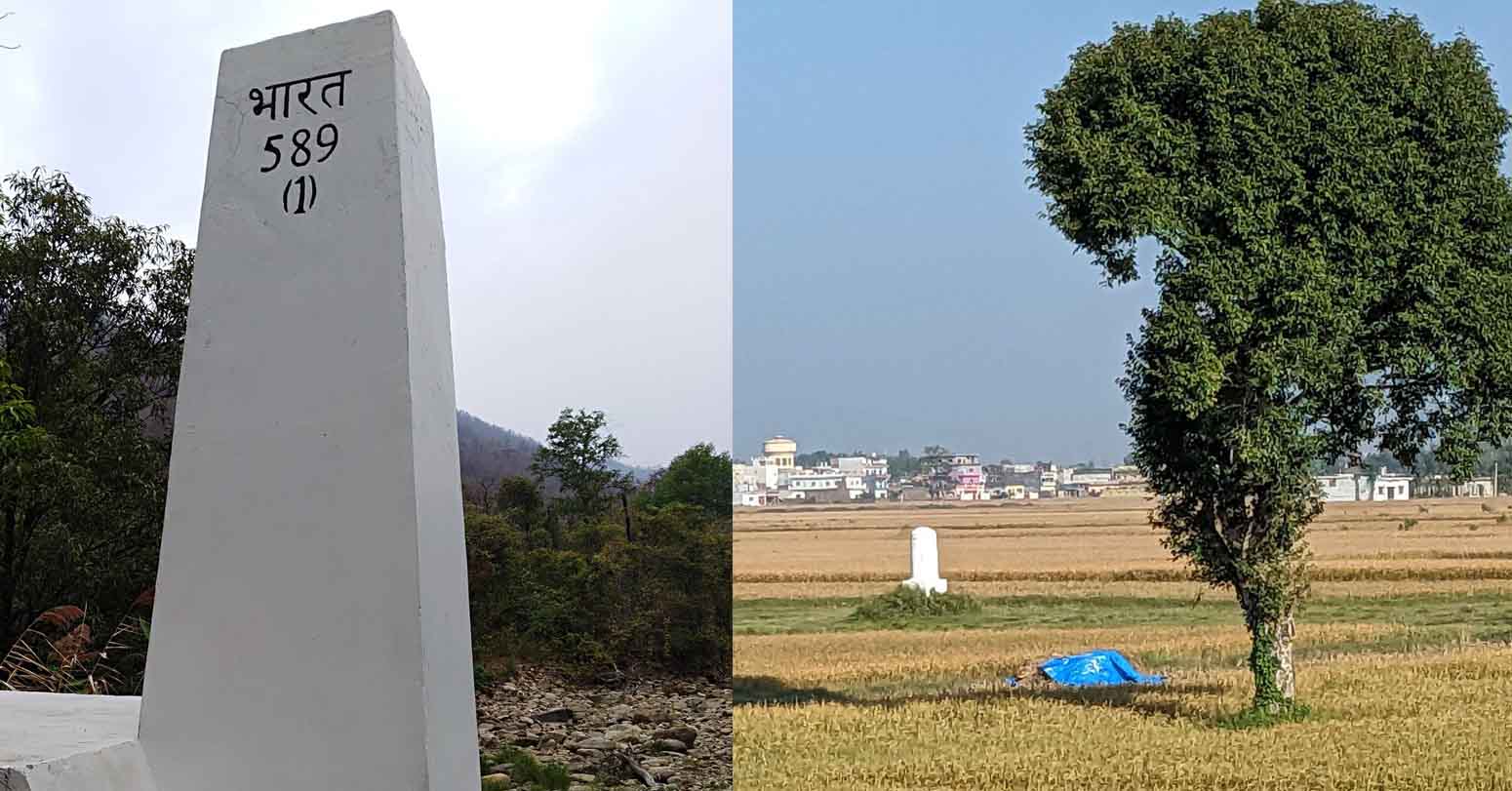
Nepal isn't backing down this time. On May 3, 2026, Kathmandu fired off formal protest notes to both New Delhi and Beijing, and the reason is a familiar Himalayan headache: the Lipulekh Pass. While the world's eyes are often on bigger global conflicts, this triangle between Nepal, India, and China is quietly becoming one of the most stubborn territorial stalemates in South Asia.
The immediate trigger for this latest diplomatic row is India's announcement of the 2026 Kailash Mansarovar Yatra. India plans to send pilgrims through the Lipulekh Pass—territory Nepal insists is its own. What makes this year's protest punchier is that Nepal also called out China. Kathmandu's message is blunt: you can't treat our land as a transit lounge without asking us first.
If you're wondering why a high-altitude mountain pass matters so much, it's not just about the view. It's about sovereignty, maps, and a 210-year-old treaty that both sides read very differently.
The Sugauli Treaty and the River That Moved
To understand why Nepal is upset, you've got to look back to 1816. After the Anglo-Nepalese War, the Treaty of Sugauli established the Mahakali River as Nepal’s western border with India. Everything east of the river belongs to Nepal. Simple, right?
Not quite. The whole dispute boils down to one question: where does the Mahakali River actually start?
Nepal points to Limpiyadhura as the source. If that's the starting point, then a 372-square-kilometer wedge of land—including Kalapani and Lipulekh—is definitely Nepali. India, however, argues the river starts much further east, near the Kalapani springs. By India’s count, that land has been part of its Pithoragarh district for decades.
I’ve seen this play out for years, and it's frustrating because the evidence is buried in centuries-old maps that aren't always clear. Nepal has historical tax records and census data from the 1950s showing they administered these villages. India, meanwhile, has maintained a physical military presence in Kalapani since the 1962 Sino-Indian War. In geopolitics, possession is often nine-tenths of the law, and India isn't moving its troops.
Why Lipulekh is a Strategic Goldmine
Lipulekh isn't just a rugged path for pilgrims; it’s a strategic gateway. It’s the shortest route between New Delhi and the Tibetan plateau. For India, it’s a vital security link to monitor Chinese movements. For China and India together, it’s a convenient trade corridor.
In August 2025, India and China reportedly agreed to resume bilateral trade through Lipulekh. They didn't invite Nepal to the meeting. From Kathmandu’s perspective, this was a slap in the face. It's like two neighbors deciding to build a driveway through your backyard while you're sitting on the porch.
Nepal’s recent protest isn't just about the pilgrimage; it’s a scream for recognition. They’re tired of being the "small guy" ignored by two giants. By sending a note to Beijing as well, the Oli government is signaling that they won't let China play both sides of the fence.
The 2020 Map War and the New Reality
Don't forget that this isn't starting from scratch. In 2020, the tension hit a fever pitch when Nepal updated its official map and its constitution to include the disputed areas. That move effectively burned the bridges for a quick "quiet" fix. Once you put territory in your constitution, you can't just trade it away without a political firestorm at home.
The current situation is a deadlock:
- Nepal's Stance: The land is ours by treaty; any activity there without our consent is a violation of sovereignty.
- India's Stance: The route has been used since 1954; Nepal's claims are "untenable" and "artificial."
- China's Stance: Mostly quiet, though they occasionally acknowledge that the tri-junction point needs a three-way agreement.
Honestly, the diplomatic "notes" being swapped right now are mostly for domestic consumption. Politicians in Kathmandu need to look tough on sovereignty to stay popular. Meanwhile, New Delhi isn't about to hand over a strategic military post because of a 19th-century map.
What Happens Next
If you're looking for a resolution, don't hold your breath. High-level talks have been "proposed" for years, but they rarely happen. When they do, both sides just restate their old positions and go home.
The real danger here is the erosion of the "special relationship" between India and Nepal. When border disputes flare up, it usually leads to "technical glitches" at border crossings, fuel shortages in Kathmandu, and a surge in anti-India sentiment that China is more than happy to tap into.
If you're following this, keep an eye on the June-August window when the pilgrimage is set to start. If India moves forward with the Yatra through Lipulekh without acknowledging Nepal's protest, expect more than just letters. You'll likely see protests in the streets of Kathmandu and a further shift in Nepal's foreign policy toward Beijing.
For now, check your maps—because depending on who printed them, that little wedge of the Himalayas belongs to a different country entirely.
Nepal Sends Protest Note To India And China Over Kailash Mansarovar Route
This video provides a breakdown of the formal diplomatic protest issued by Nepal regarding the pilgrimage route through the contested territory.


