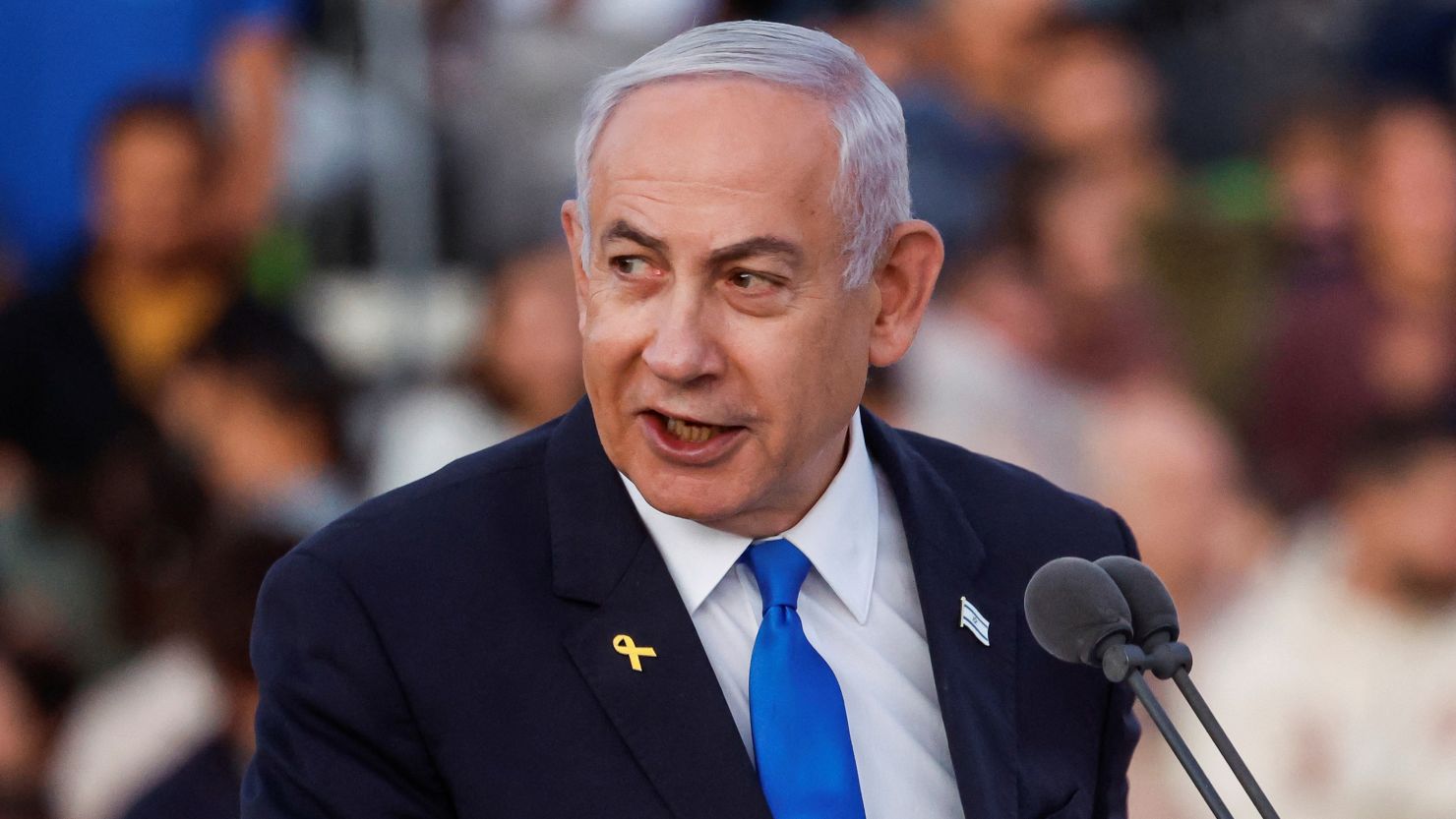
Benjamin Netanyahu is still here. For a few frantic hours over the weekend, digital whispers and unverified telegram channels across the Middle East suggested otherwise. Rumors of a terminal health crisis or a successful assassination attempt began to gain enough velocity to move markets and rattle diplomatic cables. Then, the Israeli Prime Minister did what he has mastered over three decades of political survival. He walked into a brightly lit cafe, sat down with a glass of water, and hit record on a smartphone.
The resulting video was not a formal address from the Kirya in Tel Aviv. It was a calculated piece of performance art designed to mock the very idea of his absence. By appearing in a public, mundane setting, Netanyahu didn’t just disprove a rumor; he weaponized it to project an image of untouchable permanence. This tactic is now the standard operating procedure for a leader who views the media not as a fourth estate, but as a theater of war where the loudest signal wins.
The Anatomy of a Modern Disinformation Cycle
The "death" of a world leader in a conflict zone rarely starts with a reputable news outlet. It begins in the gutters of social media, often pushed by bot clusters or psychological operations units looking to sow panic. In this instance, the vacuum was filled by speculative posts citing "unnamed sources" in the security apparatus.
When a government remains silent for too long, the silence is interpreted as confirmation. Netanyahu’s team understands this lag better than most. They waited until the frenzy reached a fever pitch before dropping the "proof of life" clip. This delay is intentional. It allows the opposition and foreign adversaries to overextend themselves, making their eventual retreat look like a humiliation.
This isn't just about debunking a lie. It is about controlling the emotional state of the public. When the video finally surfaced, the relief among his supporters and the frustration among his detractors served to deepen the existing polarization of Israeli society. The cafe wasn't a random choice. It signaled a return to normalcy, an assertion that despite the regional fires, the man at the helm is relaxed enough to grab a coffee.
The Strategy of Direct Communication
Netanyahu has long bypassed traditional journalistic filters. By filming himself on a handheld device, he removes the possibility of a follow-up question. There is no reporter to ask about the war in Gaza, the hostage negotiations, or the looming judicial reforms. There is only the image.
Short Circuits and Media Loops
This direct-to-camera approach serves three specific functions:
- Humanization: It strips away the suit and the podium, replacing them with the casual surroundings of daily life.
- Speed: It outpaces the editorial cycle of major newspapers.
- Control: It forces the traditional media to play his clip in its entirety, effectively turning every news desk into a megaphone for his specific branding.
Critics argue that this style of governance by viral video erodes the accountability of the office. If the Prime Minister only speaks when he can control the lighting and the script, the public is denied a genuine understanding of his health or his policies. Yet, for Netanyahu’s base, these videos are seen as a defiant middle finger to an "elitist" press corps that they believe is constantly rooting for his downfall.
Survival as a Political Platform
In Israeli politics, longevity is often equated with competence. Netanyahu’s ability to "mock" reports of his demise is a recurring theme in his career. Whether it is a narrow election victory, a corruption trial, or a health scare, he has built a brand around the concept of the "Indispensable Man."
The cafe video is a microcosm of this larger strategy. By laughing at the rumors, he frames his political opponents not as legitimate challengers, but as delusional conspiracy theorists. It shifts the conversation from "What is the government doing?" to "Look how wrong the critics were again."
The Technological Arms Race of Authenticity
We are entering an era where a video of a leader in a cafe may no longer be sufficient evidence of life. As deepfake technology becomes more sophisticated, the bar for "proof" will continue to rise. Foreign intelligence agencies are already analyzing the metadata, the reflections in the cafe windows, and the sync of the audio to ensure these clips are genuine.
The danger of the "mockery" strategy is that it devalues the currency of truth. When everything is treated as a joke or a "fake news" attack, real crises can be masked by the same skeptical veneer. If a leader were actually incapacitated, the machinery of the "proof of life" video would be the first tool used to buy time, creating a dangerous feedback loop where the public cannot trust what they see with their own eyes.
Beyond the Cafe Walls
While the video was successful in stopping the immediate rumor mill, it does nothing to address the structural pressures facing the Israeli government. The streets outside that cafe are still filled with protesters, and the borders remain tense. A glass of water and a smirk on a smartphone screen are effective tactical maneuvers, but they are not a substitute for a long-term strategic vision.
The Prime Minister’s staff knows that the half-life of such a stunt is short. By tomorrow, the news cycle will have moved on to the next friction point. But for one afternoon, Netanyahu managed to transform a moment of perceived vulnerability into a demonstration of narrative dominance. He didn't just survive the rumor; he owned it.
Check the timestamps on the next "official" social media upload from a government account. Notice the background noise, the lack of edits, and the specific mention of today’s date. These aren't accidents of amateur filmmaking; they are the fingerprints of a sophisticated psychological operation designed to prove that the heart of the state is still beating, even when half the world is betting on its failure.