The air in Kampung Bahagia usually smells of salt, drying fish, and the damp, heavy promise of the Celebes Sea. It is a scent that defines life on the stilt houses of Sandakan—a rhythmic, predictable existence where the tides dictate the tempo of the day. But on a Tuesday that started like any other, that familiar brine was replaced by something sharp. Acrid. The smell of a life being erased in real-time.
When a fire breaks out in a water village, it doesn't just burn. It breathes. It leaps across the narrow wooden walkways that bridge one family to the next, fueled by the very structures that kept the community afloat for decades.
The Anatomy of an Inferno
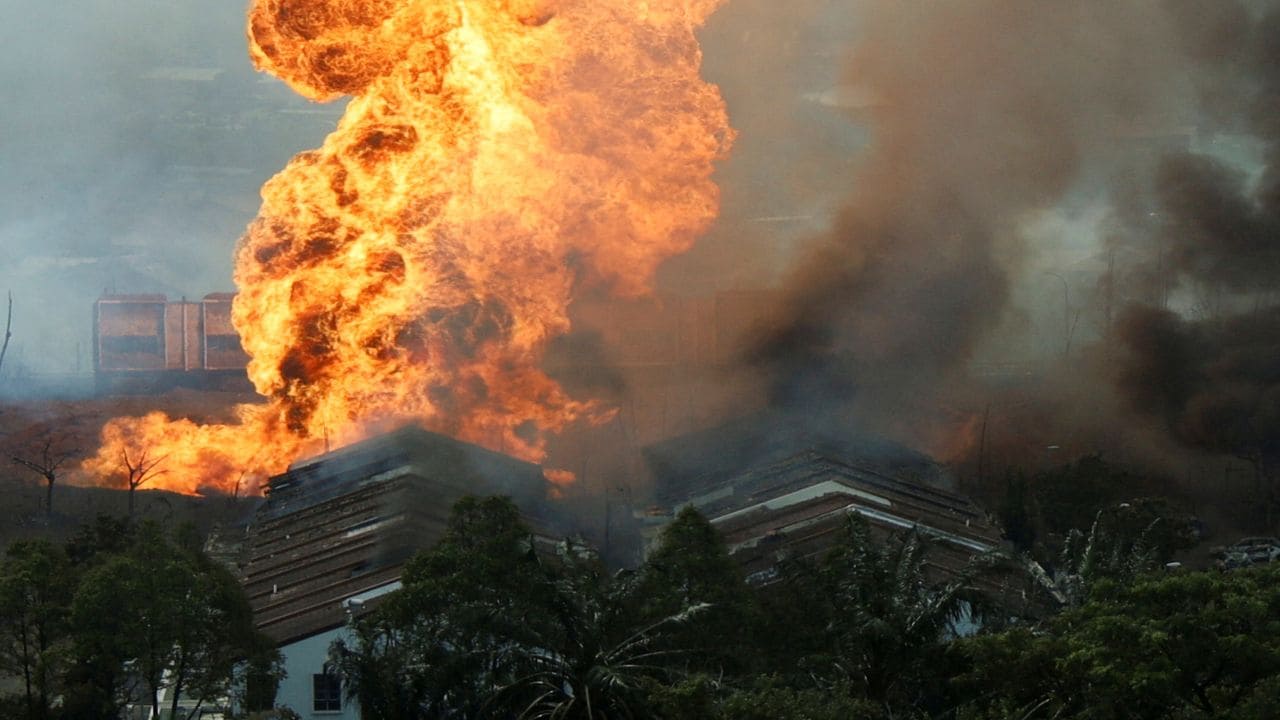
By the time the first sirens cut through the evening air, the orange glow reflecting off the Sulu Sea was already a death knell for two hundred homes. The math of such a disaster is cold: 200 structures, 400 people, zero time to think. But the math doesn't tell you about the weight of a grandmother’s sewing machine, or the way a child screams when they realize their school shoes are melting into the floorboards.
Consider the layout of a place like Kampung Bahagia. These are not isolated suburban villas with fire hydrants every fifty yards. These are intricate, interconnected webs of timber and corrugated iron. To save one house, you often have to sacrifice the bridge to the next. It is a cruel, structural intimacy. When the fire hit at approximately 4:00 PM, the wind acted as an accelerant, turning the dense cluster of homes into a furnace.
Firefighters from the Sandakan Fire and Rescue Station arrived to find a wall of heat so intense it distorted the horizon. They weren't just fighting flames; they were fighting the tide and the crumbling infrastructure of a village that was literally dissolving into the water.
The Weight of a Plastic Bag
Imagine a woman named Siti. She is a hypothetical stand-in for the hundreds of mothers who stood on the shoreline that night. She has thirty seconds to decide what her life is worth. Does she grab the birth certificates? The gold bangles passed down from her mother? Or does she simply grab her youngest son and run until the wood stops shaking beneath her feet?
Most chose the latter.
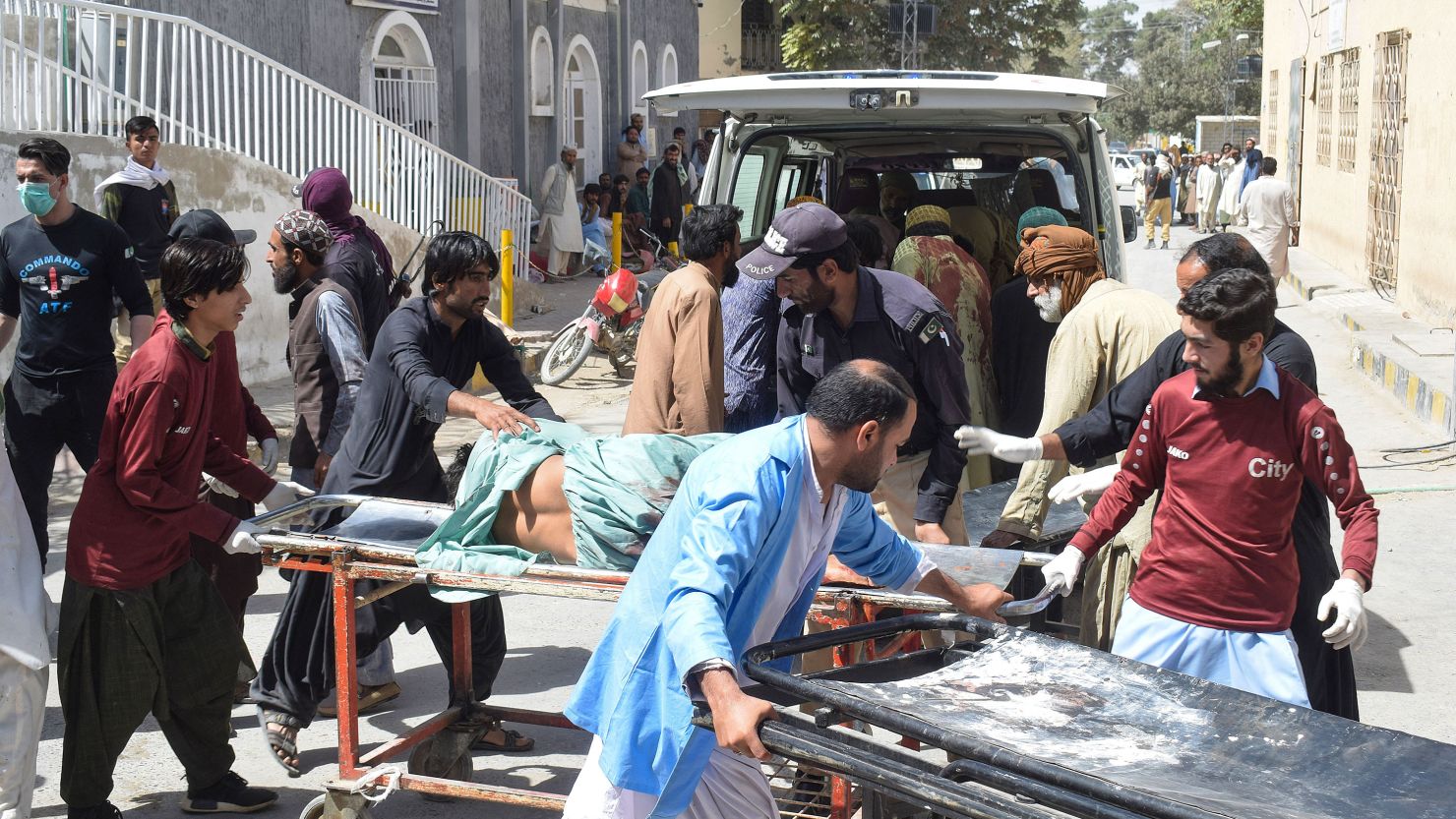
By nightfall, the tally of the displaced reached 400. That is 400 individuals who went from having a roof and a history to standing in a temporary relief center with nothing but the clothes on their backs. The displacement is a physical ache. It is the sudden, violent realization that "home" is a fragile concept, especially when it sits on stilts over the ocean.
The local authorities, led by the Sabah Fire and Rescue Department, deployed dozens of personnel. They pumped seawater, a desperate irony, using the very element the village lived upon to try and save what was left of it. But the fire was hungry. It devoured the dry wood, the plastic siding, and the memories tucked into the rafters of 180 houses before it was finally brought under control hours later.
The Invisible Stakes of the Water Village
Why does this keep happening? To understand the fire in Sandakan is to understand the precariousness of the Malaysian water village. These communities are cultural touchstones, vibrant and resilient, yet they exist in a state of permanent vulnerability. The "invisible stakes" here are not just the property values—which are negligible to a banker but everything to a fisherman—but the social fabric itself.
When 200 homes vanish, a library of oral history burns with them. The way the neighbors shared sugar, the specific creak of the third plank on the main walkway, the communal space where weddings were celebrated—all of it is gone. The displacement of 400 people isn't just a logistics problem for the government to solve with tents and rations; it is a fracture in the identity of Sandakan.
The risk factors are well-documented but difficult to solve.
- Proximity: Houses are built inches apart, allowing fire to "jump" with ease.
- Material: Aged timber is essentially tinder.
- Access: Fire engines cannot drive onto a wooden pier.
The firefighters had to utilize floating pumps and extend hoses hundreds of meters. It is a logistical nightmare that requires every ounce of sweat and coordination. Yet, despite the scale of the destruction, the miracle of the Sandakan blaze was the lack of fatalities. The community saved itself before the professionals arrived. They signaled, they shouted, they dragged the elderly across collapsing planks. They chose life over things.
The Morning After the Smoke Clears
The sun rose over a different Sandakan the following morning. The charcoal skeletons of the stilts stood like jagged teeth in the mud. The 400 displaced residents moved in a daze, some returning to the water’s edge to poke through the ash with sticks, looking for something—anything—that survived. A charred cooking pot. A blackened coin.
The relief efforts began immediately. Rations, blankets, and temporary housing were organized. But the trauma of a fire is not quelled by a warm meal. It is a lingering ghost. Every time a neighbor lights a stove or the wind picks up, the heart rate of the survivor spikes.
This is the hidden cost of the Sandakan fire. It isn't just the millions of ringgit in property damage. It is the erosion of peace. It is the fact that 400 people now know exactly how fast everything they love can turn to smoke.
The government speaks of rebuilding, of better safety standards, of "modernizing" these settlements. But for those standing in the mud of Kampung Bahagia, the future is as murky as the stirred-up silt of the bay. They are the people of the water, and they will likely build again, hammering new planks into the old mud, because the sea is the only home they know.
The fire is out, but the warmth in the chest of the displaced is not comfort. It is the embers of a life they have to start over, one plank at a time, while the salt air waits to reclaim the scent of the shore.
A single charred shoe floats in the tide, bobbing against a blackened pillar, a lonely reminder of the pace at which a world can end.