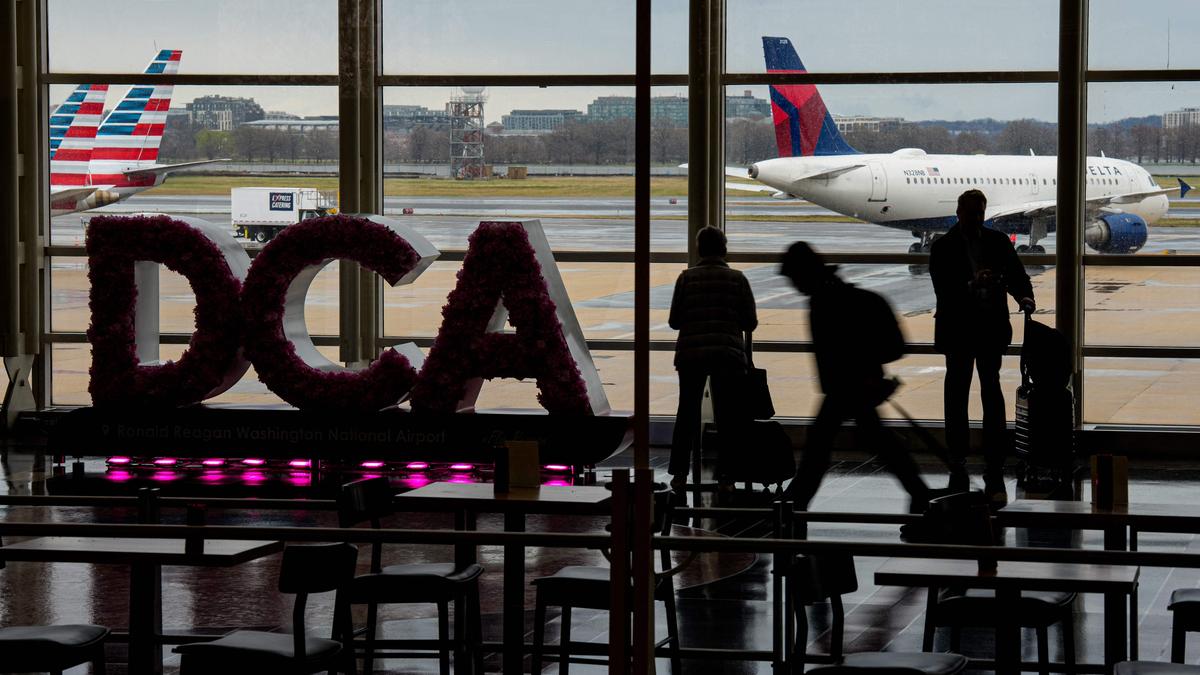
The coffee in a Dubai airport lounge has a specific, metallic bitterness when it is 3:00 AM and the departure boards have turned into a sea of red. Most travelers don’t look at the screen for information anymore. They look at it for confirmation of a reality they already feel in the sudden, heavy silence of the terminal.
For many, the United Arab Emirates is a postcard of the future. It is a place where gravity feels optional and the desert has been beaten back by glass and ambition. But when the sirens ripple through the humid night air, that futuristic veneer thinness becomes apparent. You realize that even the most glittering oasis is still governed by the ancient, messy physics of conflict.
A businessman from London sits three seats down from a family trying to get to Manila. He is staring at his phone, his thumb hovering over a news update that hasn't changed in twenty minutes. The headline is blunt: UAE intercepts fresh missile attacks. It is a sentence that feels too heavy for a vacation or a business trip. It belongs in a history book, not a flight itinerary. Yet, here he is, caught in the gears of a geopolitical machine he never asked to understand.
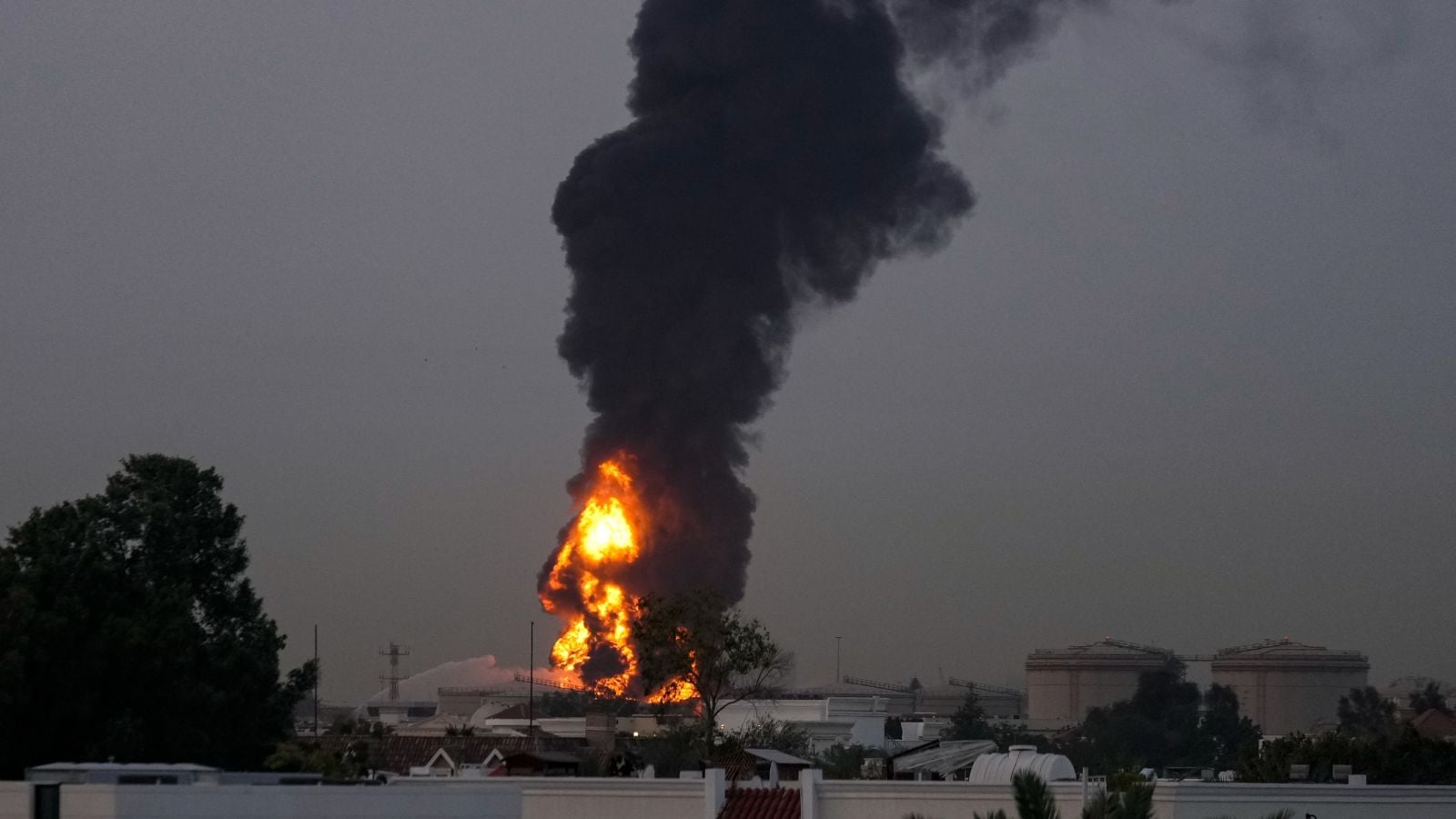
The interception of a missile is a violent, technological miracle. It happens in seconds. Up there, in the blackness above the Burj Khalifa, defense systems are making calculations that involve thousands of variables per millisecond. When the impact happens, it isn't a movie explosion. It’s a dull thud that vibrates in the marrow of your bones. It’s the sound of a catastrophe being prevented, which is a very different thing from the sound of safety.
This is the hidden tax of the modern world. We trade our proximity to old-world tensions for the convenience of global hubs.
Consider the logistical nightmare triggered by a single moment of friction. It isn't just about "cancelled flights." It is about a grandmother in Kerala whose heart skips a beat because her grandson's plane never left the tarmac. It is about a medical conference in Abu Dhabi where the keynote speaker is stuck in a holding pattern over the Gulf, watching the fuel gauge and the clock with equal anxiety.
Airlines like Emirates and Etihad are not just companies in this context. They are the circulatory system of a globalized economy. When they stop, the pulse of a dozen cities slows down. The decision to ground a fleet is never made lightly. It involves a frantic, high-stakes choreography between civil aviation authorities, military intelligence, and meteorologists who are suddenly tracking more than just wind shear.
The cancellations ripple outward. A flight from New York to Dubai being axed means a connecting flight to Bangkok is now a ghost ship. Thousands of people find themselves in a strange, liminal space—the airport hotel. These are places where time loses its meaning. You eat breakfast at midnight and watch rolling news coverage of the very sky you were supposed to be flying through.
The fear isn't always loud. Often, it’s just the quiet realization that the map we use to navigate our lives is much more fragile than the GPS leads us to believe. We assume the path between Point A and Point B is a straight line. We forget that those lines cross over territories where history is still being written in fire.
Safety is an invisible infrastructure. You only notice it when it breaks, or when it’s tested. In the UAE, that infrastructure is world-class, a shield forged from billions of dollars and the highest levels of global cooperation. But even the best shield can feel heavy when you’re standing under it, wondering if the next flash in the sky is a star or something much more sinister.
The travelers at the gate aren't thinking about regional hegemony or the technical specifications of a surface-to-air battery. They are thinking about their kids. They are thinking about the meetings they’ll miss and the money they’ll lose. They are thinking about the strange, hollow feeling of being stuck in a paradise that is currently a target.
But humans are resilient, almost to a fault.
By 6:00 AM, the tension begins to ebb, replaced by a weary, professional resolve. The ground crews start moving. The red text on the boards flickers and changes to yellow: Delayed. It’s a small victory. It’s a sign that the machinery of normal life is attempting to grind back into motion. The London businessman finally puts his phone away. The family from Manila starts repacking their carry-on bags.
We live in a world where the extraordinary has become the baseline. We expect to fly over war zones in pressurized cabins, sipping gin and tonics while the earth below simmers. We have built a civilization that thrives on the defiance of distance and danger. Most of the time, we succeed.
When the sun finally rises over the Gulf, it turns the dust in the air into a hazy, golden veil. The skyscrapers catch the light, looking once again like the invincible monuments they were designed to be. The jets begin to taxi, their engines a low roar that drowns out the memory of the sirens.
The sky is open again, but the silence of the night before lingers in the minds of those who waited. They know now what it feels like when the future pauses to catch its breath. They understand that every smooth landing is a small, hard-won triumph over a world that is still learning how to be quiet.
The engines roar. The wheels leave the tarmac. For now, the line between Point A and Point B holds firm.