Panama is in a tight spot. Just weeks after its Supreme Court tore up a long-standing port contract, the government is practically begging Chinese shipping giant Cosco to come back to the table. It's a messy situation where global trade, local law, and big-power politics have collided at the mouth of the Pacific.
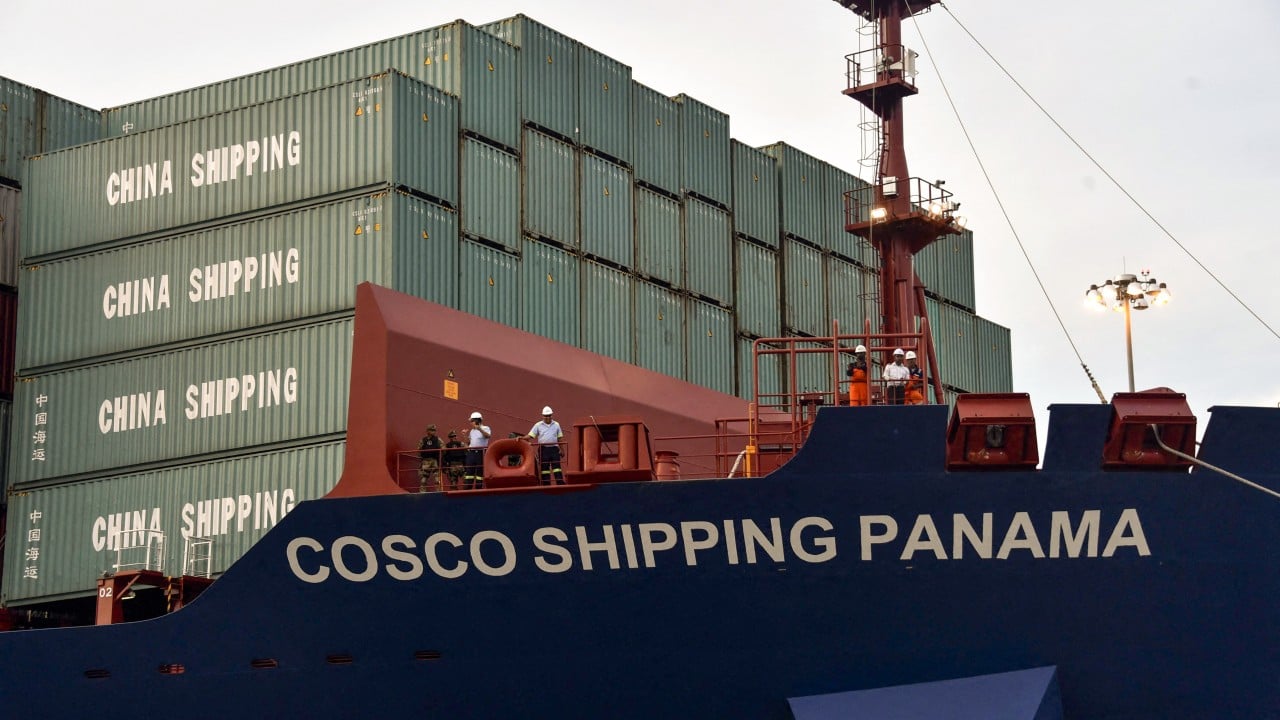
You can't blame the Panamanian authorities for being a little rattled. Jose Ramon Icaza, the Minister for Canal Affairs, recently admitted the news caught them off guard. Cosco basically sent out a "we're out" notice to its clients on March 10, 2026, halting all arrivals and departures at the Balboa port. For a country that lives and breathes maritime logistics, losing 4% of a major port's throughput overnight isn't just a rounding error. It's a hit to the wallet and the ego.
The legal domino effect that cleared the deck
This isn't just about a shipping company getting its feelings hurt. The root of the drama is a January ruling from Panama’s Supreme Court that annulled the contract for Panama Ports Company (PPC). PPC is a subsidiary of the Hong Kong-based CK Hutchison Holdings, and they've been running the show at the Balboa and Cristobal terminals since 1997.
The court called the contract unconstitutional. That decision forced a takeover of the facilities on February 23, 2026. Panama didn't want the ports to sit idle, so they handed the keys to interim operators. APM Terminals, which belongs to the Danish giant Maersk, took over Balboa, while MSC’s terminal arm grabbed Cristobal. These are temporary 18-month fixes while the government prepares for a proper international tender.
But China didn't take the eviction of a Hong Kong firm lightly. Beijing warned of a "heavy price," and it looks like Cosco’s withdrawal is the first installment of that bill. By pulling out, Cosco isn't just shifting ships; it's sending a signal that if Chinese companies aren't welcome as owners, they might not stick around as customers either.
Politics is a loud guest in the engine room
If you think this is only about local court rulings, you haven't been watching the news. The Panama Canal has become a favorite talking point in the U.S. election cycle. Last year, Donald Trump made headlines by claiming China "effectively runs" the canal. Panama has spent a lot of energy denying this, pointing out that the Panama Canal Authority (ACP) is an independent body that doesn't answer to Beijing.
However, the optics of a Hong Kong firm controlling the ports at both ends of the waterway—the Pacific and the Atlantic—was enough to keep the tension high. The U.S. has been leaning on Panama to reduce Chinese influence over strategic infrastructure. When the Panamanian court spiked the CK Hutchison contract, it was seen as a massive win for Washington.
The problem is that Panama still needs China's business. China is the second-largest user of the canal. You can't just kick out the investors and expect the shippers to keep smiling. It's a delicate balancing act that's starting to look like a high-wire routine in a windstorm.
The numbers don't lie about the impact
Balboa isn't some sleepy dock. In 2025, Panama’s ports handled nearly 10 million containers. Balboa alone processed 2.7 million of those. When Cosco pulls out, they aren't just taking their ships; they're taking a significant chunk of revenue.
- 4% of Balboa's total volume is tied directly to Cosco cargo.
- Panama-flagged ships are already seeing the blowback, with reports of a spike in detentions at Chinese ports.
- Logistics chains are being rerouted to Colon province on the Atlantic side, adding time and cost for regional distributors.
Cosco’s move to cancel bookings and redirect empty containers to terminals like Manzanillo International or Colon Container Terminal isn't a minor tweak. It's a logistical headache for every business that relies on the Pacific entrance for efficiency.
What happens when the giants stop talking
Honestly, the most concerning part is the silence. Cosco hasn't given an official reason for the suspension, and they aren't exactly answering the phone when the media calls. This "silent treatment" approach is a classic move when state-owned enterprises are acting in line with broader diplomatic goals.
Panama's government is trying to play it cool. They say port operations are continuing under Maersk's APM Terminals without a hitch. But you don't go on record "urging" a company to return if everything is going great. They know that if more Chinese firms follow Cosco’s lead, the "heavy price" Beijing promised could become a reality that hurts every Panamanian citizen.
The next few months are going to be critical. If Panama can’t convince Cosco to come back, they’ll have to hope that other shipping lines can fill the gap. But in a world where shipping alliances are tightly knit, a snub from one of the world's largest carriers usually leaves a mark that doesn't wash off easily.
Navigating the fallout
If you're doing business in the region or rely on Pacific-to-Atlantic transit, don't wait for the official press releases to tell you there’s a problem.
- Check your carrier's current routing to see if they’re shifting away from Balboa.
- Expect delays at the Atlantic-side terminals in Colon as they absorb the redirected traffic from the Pacific.
- Monitor Panama-flagged vessel status if you're operating ships, as inspection intensity in Asian ports is likely to remain high.
The canal itself is still open and moving ships, but the ports around it are the new front line in a trade war that's getting personal. Panama's struggle to win back Cosco is a reminder that in global trade, being "independent" often means being stuck in the middle of someone else's fight.