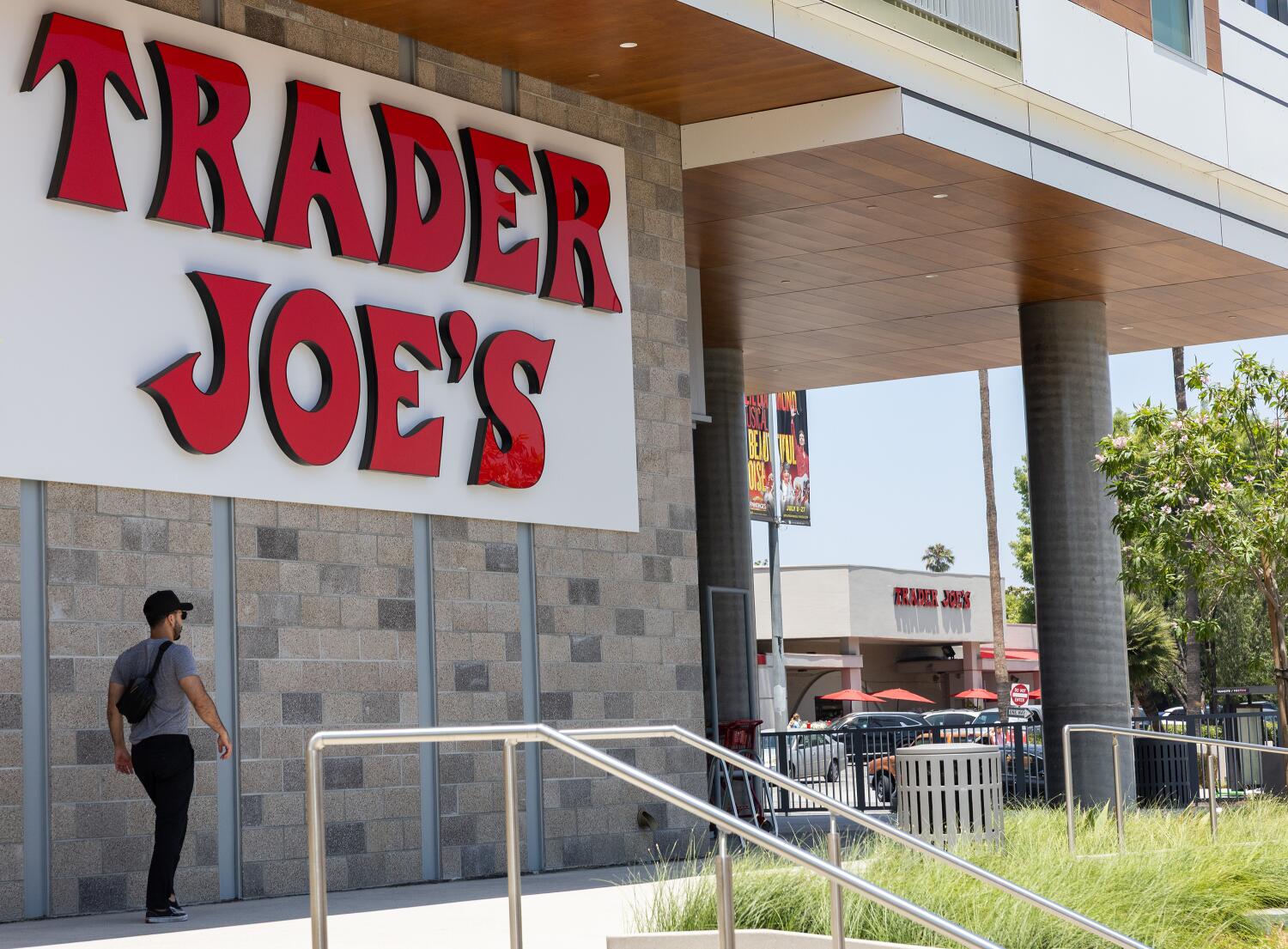
The headlines are predictable. They are copy-pasted from PR wires with the same breathless tone. Trader Joe’s and Ralphs have pulled frozen products due to potential glass contamination. The internet reacts with its usual performative outrage. Parents toss out bags of pilaf. Shareholders twitch.
Stop. You are falling for the theater of corporate safety.
Most people see a recall and think "catastrophic failure." In reality, these recalls are a masterclass in liability shifting and brand preservation. When a grocery giant tells you they are "voluntarily" pulling a product to "protect the consumer," they aren’t being your guardian angel. They are running a calculated legal maneuver to prevent a class-action lawsuit that would cost ten times the price of the wasted inventory.
The real story isn't that there is glass in your spinach. The real story is that our globalized supply chain is so convoluted that "traceability" is a fairy tale we tell ourselves to sleep at night.
The Myth of the Controlled Supply Chain
When you buy a bag of frozen vegetables at a premium grocer, you imagine a clean, linear path from a local farm to a high-tech flash-freezer. That version of reality doesn't exist.
The food industry operates on a system of massive, third-party co-packers. These facilities handle private labels for dozens of competing brands simultaneously. A single "processing incident" at one plant in the Midwest can trigger a domino effect that hits a high-end organic brand and a budget-tier supermarket staple in the same hour.
We talk about these recalls as if they are isolated mistakes. They aren't. They are the mathematical certainty of industrial scale. When you process millions of tons of produce using heavy machinery, metal-on-metal wear and glass breakage are not "ifs." They are statistical "whens."
The industry standard for foreign material detection often relies on X-ray systems and metal detectors. But here is the dirty secret: these machines have sensitivity thresholds. If a glass shard is too small or has the same density as the surrounding frozen matter, the machine misses it. The recall happens not because the system worked, but because a human—either a floor worker or an unlucky customer—finally noticed what the "cutting-edge" tech could not.
Why "Voluntary" Is a Marketing Term
You will notice that almost every major recall is labeled as "voluntary."
This is not an act of corporate altruism. In the regulatory world, a voluntary recall allows a company to control the narrative. By moving faster than the FDA or local health departments, the brand maintains the "hero" persona.
If the government mandates a recall, it implies the company was negligent or hiding something. If the company "discovers" the issue themselves, they are "committed to quality." It’s a PR pivot that turns a manufacturing disaster into a brand-building exercise.
I have watched companies spend more on the crisis management firm handling the press release than on the actual physical recovery of the contaminated goods. They know the "return rate" on recalled frozen food is abysmally low. Most people just throw the bag away. The company gets to claim they "recalled" 100,000 units, even if they only physically processed 5,000 returns. It’s a phantom cleanup.
The Cost of the Zero-Risk Illusion
Consumers demand a zero-risk food system. This is a logical fallacy.
To achieve a truly "glass-free" or "foreign-body-free" environment, food prices would need to triple. We would need to move away from high-speed automated processing and back to labor-intensive human inspection. But the same consumer crying on social media about a piece of glass in their frozen dumplings will refuse to pay $12 for a bag of peas.
We have traded safety for throughput.
The "lazy consensus" says we need stricter regulations. The nuance is that we already have more regulations than the industry can actually follow without breaking the economy of scale. Every new "safety" layer adds a layer of bureaucracy that actually obscures the physical reality of the factory floor. We are drowning in digital paperwork while the physical gears are grinding.
The Statistical Reality of Your Freezer
Let’s talk about the actual risk.
The probability of you being injured by a piece of glass in a recalled bag of frozen food is statistically lower than the probability of you being injured in the car ride to go buy that food.
We fixate on the "shards of glass" because it’s a visceral, jagged image. It feels like a betrayal. But the real dangers in the frozen aisle aren't physical contaminants; they are the systemic failures in cold-chain logistics that lead to listeria and salmonella—pathogens you can't see, feel, or crunch.
Focusing on a few bags of "glass-affected" pilaf is like worrying about a papercut while you have stage four pneumonia. It’s a distraction.
The Insider's Playbook for the Next Recall
If you want to actually protect yourself, stop looking at the brand name on the front of the bag.
- Check the Plant Code: Every frozen or processed food item has a plant code (often near the "best by" date). Start tracking these. You will quickly realize that your "artisan" frozen meal and the generic brand are coming from the exact same zip code.
- Understand the "Lot" Logic: Recalls are surgical. They target specific lots. If your bag isn't in the lot, it doesn't mean it's "safe"—it just means that specific batch didn't trigger a report.
- Diversify Your Sourcing: If you buy all your frozen goods from one retailer, you are putting all your "supply chain eggs" in one basket. When that retailer's primary co-packer fails, your entire freezer becomes a liability.
The grocery industry relies on your short memory. They want you to see the recall, feel a brief flash of fear, appreciate their "honesty," and then go back to buying the same SKU three weeks later.
They aren't fixing the machines. They are just updating the insurance policy.
Stop thanking corporations for telling you they messed up. A recall isn't a sign of a functional safety system. It's the sound of a legal department slamming the panic button before the lawyers on the other side can get their shoes on.
If you’re waiting for a "safe" industrial food system, keep waiting. Or, start realizing that the price of cheap, convenient, year-round frozen food is the occasional, inevitable shard of reality breaking through the plastic.
Throw the bag out. But don't for a second think they did you a favor by telling you to do it.