Fear sells, and right now, the internet is trying to sell you the idea that a "new Covid" is brewing on a cruise ship in the Atlantic. Headlines are screaming about a hantavirus strain that's "as contagious as Covid" and "silently spreading" across the ocean. Honestly, it's enough to make anyone want to lock their doors and stock up on masks again.
But I've spent enough time looking at infectious disease data to know when the panic button is being pushed for clicks. The situation on the MV Hondius is serious—people have died—but comparing it to the 2020 pandemic is not only wrong, it’s scientifically messy. Meanwhile, you can read other events here: The Eighth Passenger and the Breath of the Dust.
Here’s the reality: Hantavirus isn't the next global shutdown. It’s a tragic, localized outbreak of a very specific, very rare strain called Andes virus. While it’s the only hantavirus that can jump from person to person, it doesn't do it with the terrifying efficiency of a respiratory virus like SARS-CoV-2.
The MV Hondius Outbreak Explained
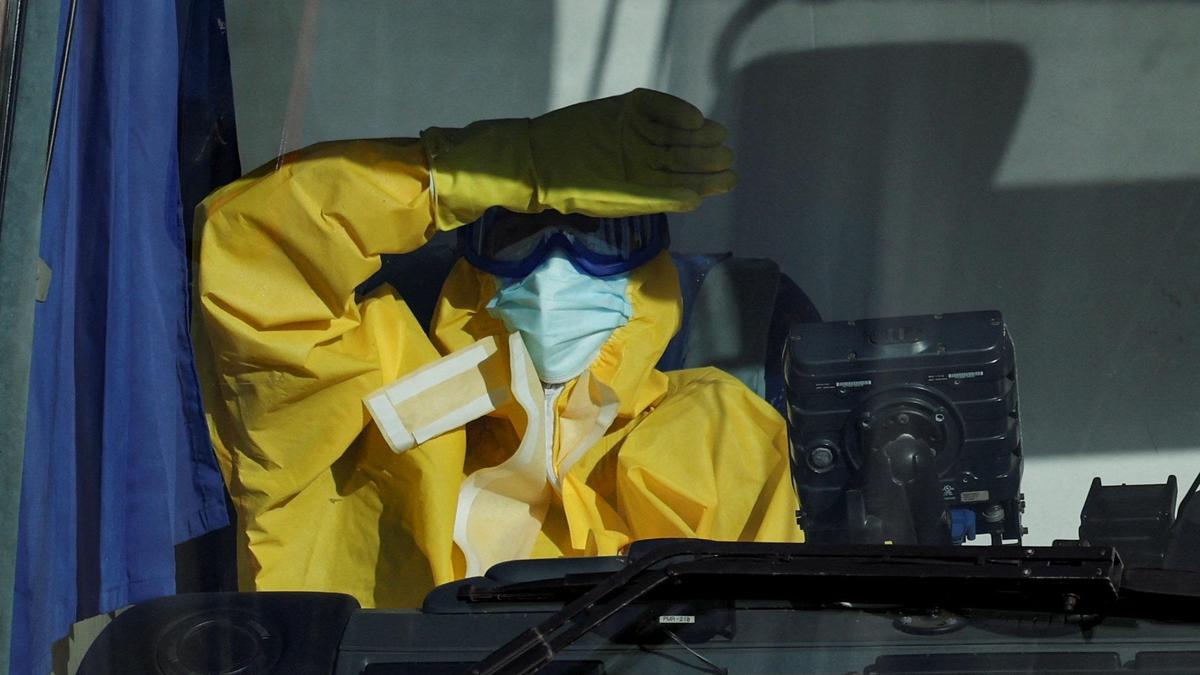
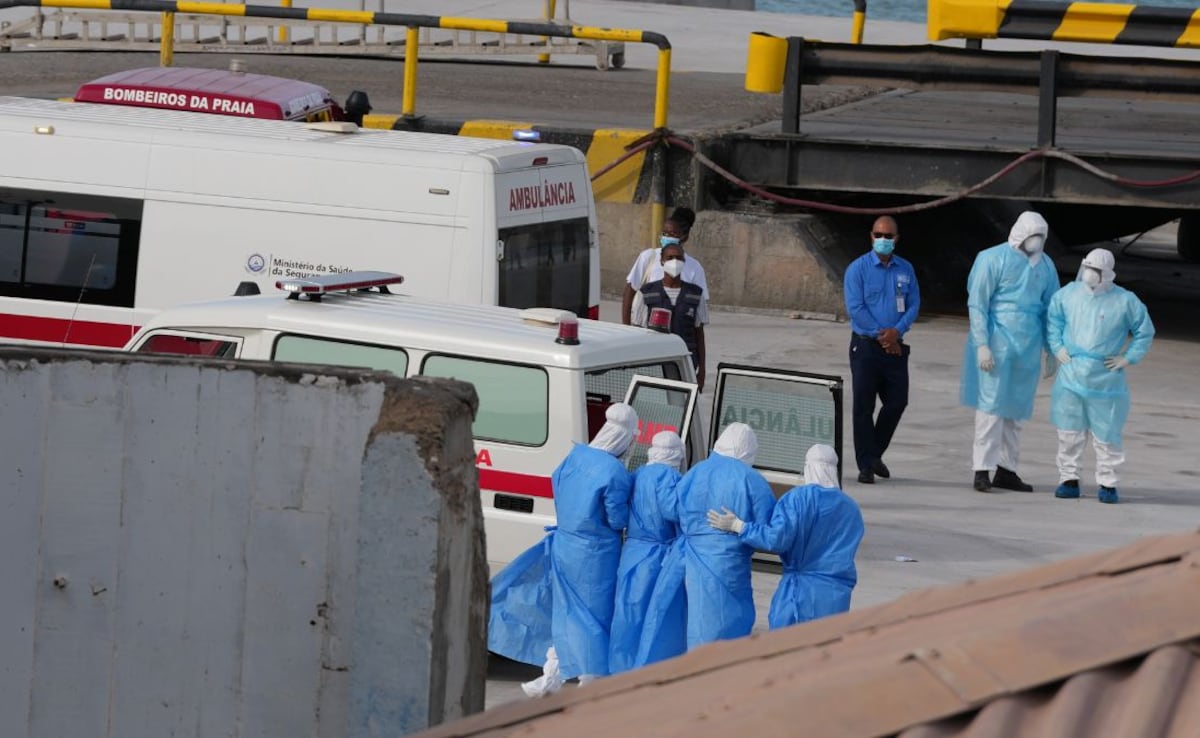
In May 2026, the World Health Organization (WHO) confirmed a cluster of hantavirus cases on the MV Hondius, a Dutch polar expedition vessel. The ship was traveling from Argentina toward the Canary Islands when passengers started getting hit with what looked like a bad flu or stomach bug. To explore the complete picture, we recommend the detailed article by Healthline.
It wasn't a stomach bug.
As of May 11, 2026, there are eight identified cases. Three people are dead. One is in critical condition. These aren't just statistics; they're passengers who went from a fever to "cardiovascular collapse" in a matter of days. The virus involved is the Andes virus, which is native to South America. Unlike the hantaviruses we usually see in North America—which you only get from breathing in dust contaminated by rodent droppings—Andes virus can spread through close human contact.
Why Contagious as Covid is a Flat Out Lie
You’ve probably seen the "as contagious as Covid" comparison. It’s a massive exaggeration. To understand why, you have to look at how these things actually move through a room.
COVID-19 is an aerosol-driven beast. You can catch it by standing in a grocery store aisle where an infected person breathed ten minutes ago. Andes hantavirus doesn't work like that. Even on a cruise ship—the ultimate "petri dish" for viruses—this outbreak hasn't exploded. Out of 147 people on board, we’re looking at eight cases. If this were COVID-19 or measles, that number would likely be in the dozens or hundreds by now.
According to Dr. Bill Hanage from the Harvard T.H. Chan School of Public Health, hantavirus doesn't spread easily before people show symptoms. This is the "Pandemic Secret Sauce." Covid won because people felt fine while they were spreading it. With hantavirus, you get sick. Fast. And when you’re that sick, you aren't out mingling at the ship’s buffet; you’re in a hospital bed or confined to your cabin.
The transmission of Andes virus requires prolonged, close contact. We’re talking about sharing a bed, kissing, or being in a tiny, unventilated room with someone for hours. It’s a "close contact" virus, not a "walk past you in the hall" virus.
The 42 Day Wait
Scientists are currently eyeing June 2026 as the date we'll know if the virus has "silently spread." Why then? Because the incubation period for hantavirus is famously long and annoying.
The CDC and WHO have set a 42-day monitoring period for anyone who was on that ship. The median time it takes for symptoms to show up is about 18 days, but it can take up to six weeks. That’s why you’re seeing news about passengers being repatriated on private charter flights and sent to quarantine centers like the one in Omaha, Nebraska.
It’s not that the government thinks these people are "biological bombs" about to level a city. It’s that if they do get sick, they need specialized care immediately. The mortality rate for Hantavirus Pulmonary Syndrome (HPS) is roughly 38%. Compare that to the less than 1% mortality rate of most Covid strains, and you see why health officials are being so aggressive. They aren't afraid of a pandemic; they’re trying to save the lives of the people already exposed.
What Hantavirus Actually Does to the Body
If you’re worried you might have been exposed (though unless you were on a South Atlantic cruise lately, you probably weren't), you should know the symptoms. It’s not a slow burn.
- The Early Phase: It starts with fatigue, fever, and muscle aches. Not just "I worked out too hard" aches, but deep pain in the thighs, hips, and back.
- The GI Twist: About half of the people on the MV Hondius reported nausea, vomiting, and diarrhea.
- The Crash: This is the scary part. Four to ten days after the first symptoms, the "respiratory phase" hits. Your lungs fill with fluid. You feel like you’re suffocating.
There is no "cure" for hantavirus. There’s no pill you can take to make it go away. Treatment is basically "supportive care"—meaning doctors put you on a ventilator and hope your body can fight it off. This is why early detection is the only thing that matters.
The Rodent Factor and Geographic Safety
One reason this won't become a global pandemic is the "rodent reservoir." Most hantaviruses need a specific host to survive long-term. For the Andes virus, that’s the long-tailed pygmy rice rat.
Those rats don't live in New York, London, or Paris. Even if an infected person traveled to Europe, the virus wouldn't find a local rodent population to settle into. It would hit a dead end. Without the animals to keep the virus circulating in the environment, the "silent spread" usually just peters out.
Stop the Panic and Stay Informed
We need to stop treating every viral outbreak like it’s the sequel to 2020. The MV Hondius situation is a tragedy for the families of those who died, and it’s a fascinating case study for epidemiologists. It is not a reason to cancel your summer plans or start wearing three masks to the park.
If you’re traveling to South America, specifically rural areas in Argentina or Chile, follow the standard advice:
- Avoid rodents: Don't sleep on the floor of cabins where you see droppings.
- Don't stir up dust: If you’re cleaning a dusty shed or cabin, wet it down with disinfectant first so you don't breathe in particles.
- Watch for the fever: If you’ve been in a high-risk area and get a sudden, high fever, go to a doctor and tell them where you’ve been.
The "scientists' date to know" isn't a countdown to Doomsday. It's just a standard public health timeline. By mid-June, the 42-day window for the MV Hondius passengers will close. Most likely, the headlines will move on to something else, and the "next pandemic" will turn out to be exactly what it is: a rare, tragic, but contained event.
Keep your eyes on the data, not the clickbait. The risk to the general public remains extremely low, and no, hantavirus is not the new Covid. Be smart, stay clean, and let the experts in Omaha and Geneva do their jobs.