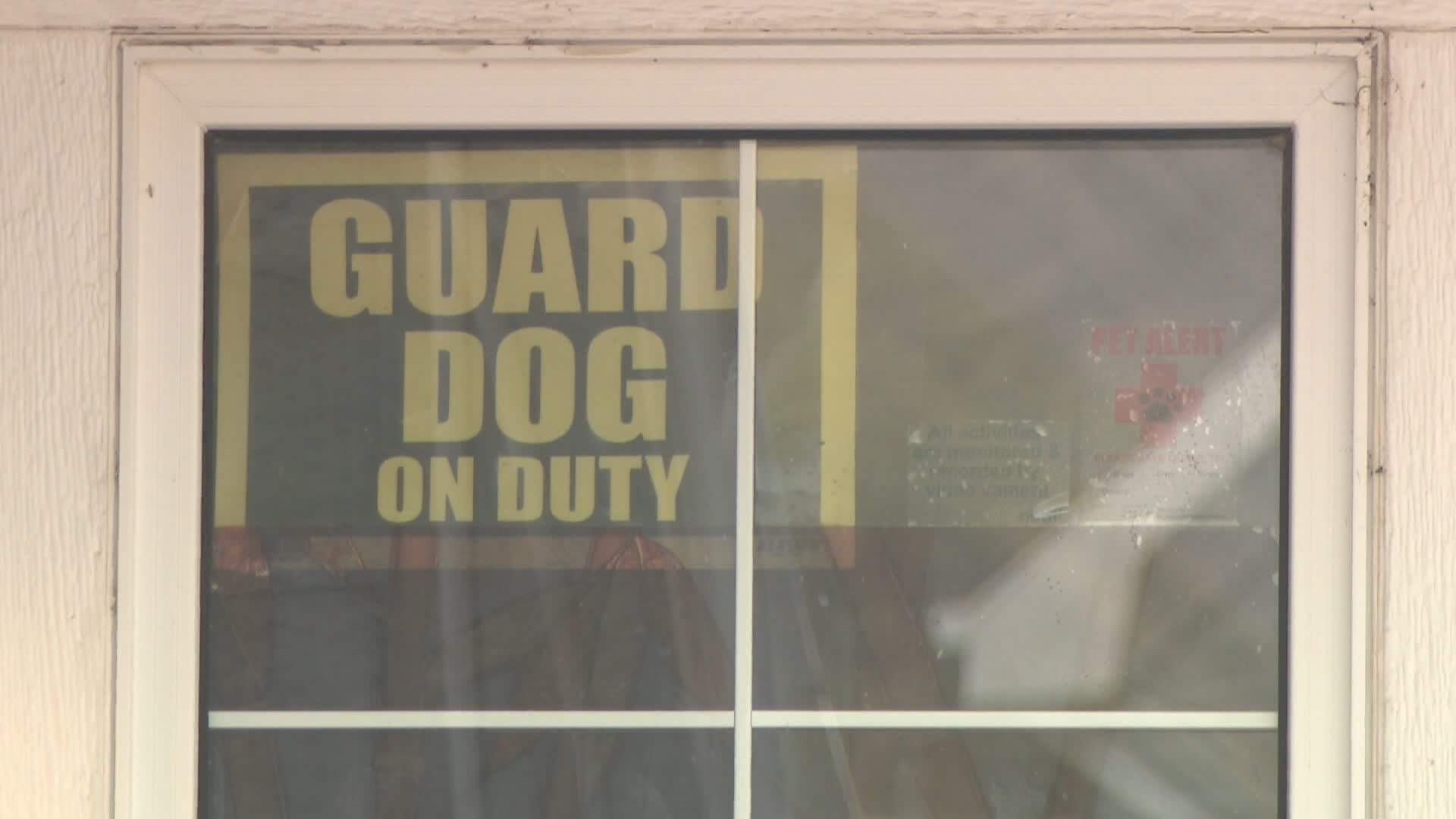
The air in Edmonton during the first week of April is rarely kind. It carries a lingering bite, a reminder of a winter that refuses to let go. In a courtroom filled with the heavy scent of old wood and the muffled shuffling of legal papers, a different kind of cold has settled. This is the trial of Crystal Huang. She is the owner of two Cane Corso dogs that, on a Monday afternoon in late March 2024, ended the life of an eleven-year-old boy named Kheenan Meardith.
Justice isn’t a fast-moving machine. It is a slow, methodical grinding of facts. But for a family from British Columbia who came to visit for spring break, the world stopped moving entirely on that driveway.
Kheenan was a child of laughter and movement. He wasn’t a stranger to the house where he died; he was there visiting his father. He was in a place where a child should feel the ultimate safety of a parent's orbit. Instead, he encountered a failure of responsibility so profound it has forced an entire province to look at the concept of pet ownership through a much harsher lens.
The trial isn't just about a tragic accident. It is about the specific, documented history of two animals and the choices made by the person who held their leashes.
The Weight of Warning Signs
Imagine a neighborhood where the sidewalk feels like a tightrope. Residents of the Summerside area had long whispered about the house with the large, powerful dogs. These weren't just pets; they were physical presence incarnate. A Cane Corso is a breed of ancient lineage, powerful and protective, requiring a level of mastery and vigilance that goes far beyond the average backyard setup.
Records entering the court tell a story of "what if" moments that were ignored. Before that fatal Monday, the city’s animal control officers had already been called to the property multiple times. There were reports of the dogs behaving aggressively. There were warnings issued.
When a dog is labeled "dangerous" or even "aggressive" by a municipality, it is a formal declaration that the social contract has been frayed. It means the owner has been told, in no uncertain terms, that their private property contains a public risk. Huang now faces charges under the Edmonton animal licensing and control bylaw. Specifically, she is charged with failing to prevent her dogs from attacking a person.
The legal stakes are high, but the moral stakes are staggering. If the city knew these dogs were a problem, and if the owner knew these dogs were a range of muscle and instinct waiting for a gap, why was there a gap?
A Short Distance to Disaster
The attack happened in the blink of an eye. That is the most terrifying part of these cases. There is no long, cinematic buildup. There is only the silence of a suburban afternoon, the sound of a door or a gate, and then a shift in the atmosphere.
Kheenan was attacked inside the home's garage. He didn't stand a chance. The sheer physics of the encounter—the weight of two large dogs against the frame of a young boy—is something the mind tries to reject. First responders arrived to find a scene that changed them. People who see trauma for a living were left shaken by the intensity of the violence that had occurred within those four walls.
Why does this matter to someone who doesn't live in Edmonton? Because it highlights the terrifying reality of "incidental" danger. We live in a society that grants us the right to own powerful animals, but that right is predicated on a promise of containment. When that containment fails, it isn't just a bylaw infraction. It is a catastrophic breach of trust.
The Defense of the Indefensible
Inside the courtroom, the defense often hinges on the unpredictability of nature. Dogs are animals, the argument goes. They have instincts. They can be triggered by things we don't understand.
But the prosecution is building a different narrative. They aren't looking at the dogs' instincts; they are looking at the owner’s awareness. Every prior complaint, every bark that turned into a lunging snap at a fence, and every official visit from the city is a brick in the wall of accountability. To own a dog of that size and power is to accept a lifelong role as a warden. If you walk away from the post for even a minute, the consequences are permanent.
There is a specific kind of grief that comes with a death that was preventable. It’s a jagged, restless emotion. Kheenan’s father has spoken of the boy’s spirit, his love for his family, and the hole that has been ripped into their lives. That hole isn't just made of sadness; it’s made of the "why."
Why were the dogs still there? Why was the security not absolute?
The Ripple Effect of Responsibility
This trial is being watched by more than just the families involved. It is a bellwether for how cities handle "problem" animals. For years, the system has been criticized for being too reactive—waiting for a tragedy before taking decisive action. We see the same pattern in city after city: a history of complaints, a series of small fines, and then a headline that breaks a community's heart.
The prosecution’s witnesses describe a pattern. Neighbors recount the feeling of unease that lingered around the property. This wasn't a sudden, out-of-the-blue transformation of a "good dog" into a killer. It was a slow-motion collision that everyone saw coming but no one was empowered to stop.
The legal proceedings will eventually conclude. There will be a verdict. There may be fines, or there may be stricter orders. The dogs involved were euthanized shortly after the attack, a grim and necessary end to a situation that had gone beyond recovery.
But the verdict won't bring back the boy from B.C. who just wanted to spend a week with his dad. It won't erase the images from the minds of the paramedics who arrived at the house.
We often think of our homes as fortresses, and our pets as the heart of those homes. We forget that some animals carry a capacity for destruction that requires more than just a wooden fence or a locked door. They require a level of human responsibility that is absolute.
As the trial continues, the evidence will be weighed, and the testimony will be parsed. But the core truth remains etched in the driveway of that Edmonton home. A boy is gone because the barrier between a domestic life and a predatory instinct was allowed to fail.
The silence in the courtroom is a reflection of that failure. It is the sound of a community realizing that "sorry" is a word that cannot bridge the gap between a history of warnings and a final, fatal afternoon. The price of that broken gate is a debt that can never be paid in full.
In the end, the city moves on. The snow finally melts into the North Saskatchewan River. The lawyers go home to their families. But for one family in British Columbia, the spring of 2024 is a season that will never end, a permanent winter of the soul where the only thing left is the memory of a boy who was supposed to come home.