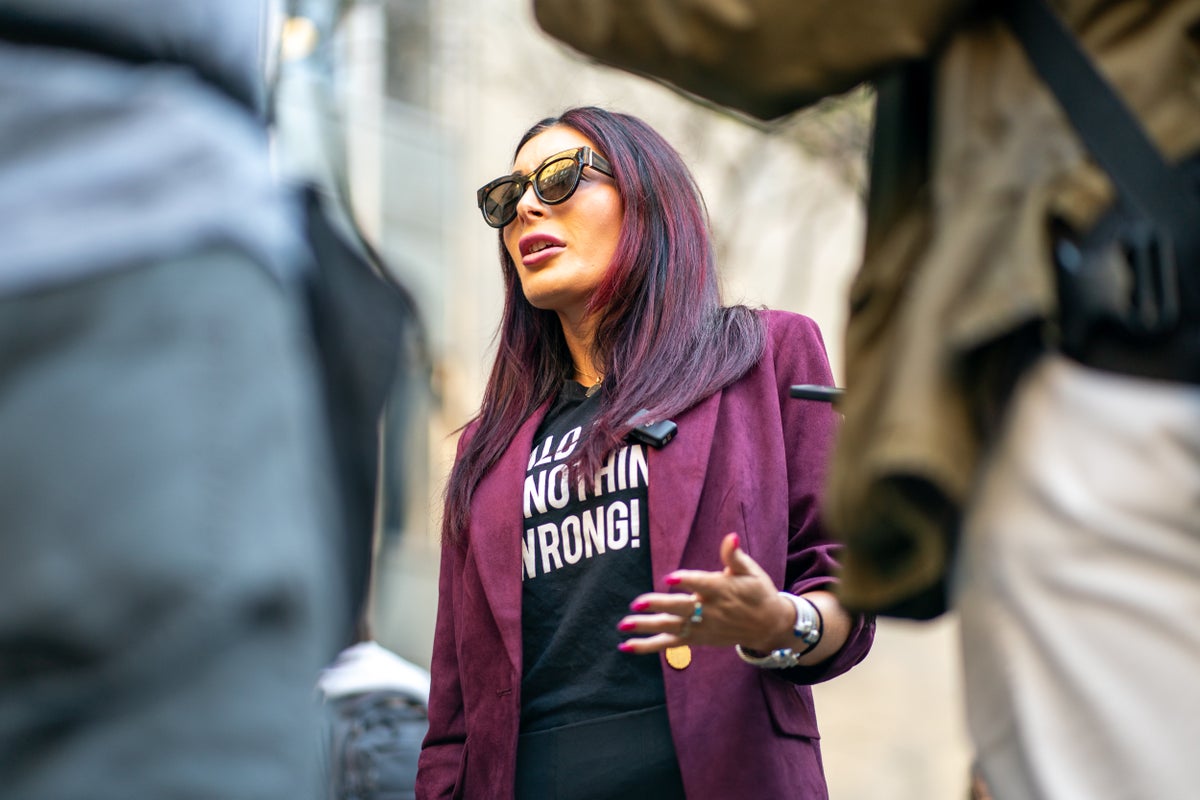
Chappell Roan is currently the most flammable figure in pop music. The Missouri-born singer, whose meteoric rise over the last year has rewritten the industry playbook, recently found herself at the center of a PR firestorm following allegations that she dismissed or mistreated an 11-year-old fan. To the casual observer, it looks like a standard "diva" narrative. To those who have watched the machinery of fame grind artists into dust for decades, it is something much more significant. This is a deliberate, messy, and perhaps necessary demolition of the unspoken agreement between stars and their followers.
The incident in question involved a young fan attempting to engage with the artist in a public, yet non-professional setting. According to accounts circulating on social media, the interaction was curt. Roan reportedly declined the engagement, leading to a wave of online vitriol accusing her of being "ungrateful" or "cold" to the very demographic that fueled her success. Roan’s response was characteristically blunt. She didn't offer the standard, sanitized PR apology. Instead, she doubled down on her right to exist as a private citizen when the stage lights are off.
This isn't just about one grumpy interaction at a sidewalk or a restaurant. It is about the collapse of the parasocial contract. For decades, the industry standard was simple: the fan buys the record, and the artist owes the fan their soul. Roan is saying the transaction ends at the concert hall doors.
The Myth of the Grateful Star
The entertainment industry is built on the lie of constant accessibility. We have been conditioned to believe that if a person reaches a certain level of tax bracket or Spotify monthly listeners, they forfeit the right to bodily autonomy and personal space. This expectation is a relatively new phenomenon in the grand scheme of celebrity history. In the Golden Age of Hollywood, stars were distant gods. In the 2020s, they are expected to be our best friends, our therapists, and our 24/7 content generators.
When Chappell Roan pushes back against a child, the internet reacts with visceral horror because it violates the "mother" or "big sister" archetype that fans have projected onto her. The irony is thick. The same fans who praise her for her "authentic" and "unfiltered" persona are the first to grab the pitchforks when that lack of filter is directed at them. They want authenticity, but only the kind that feels like a warm hug.
The reality of fame at this velocity is traumatizing. Roan has been vocal about the "predatory" behavior of some fans—people tracking her family, showing up at her hotel, and treating her like a museum exhibit rather than a human being. In this context, a "curt" response to an 11-year-old isn't an isolated act of cruelty. It is a defensive reflex. It is a person trying to keep a sliver of their sanity intact while the world tries to take a bite out of them.
The Logistics of the Modern Fanbase
We need to talk about the math of modern stardom. In 1995, if you wanted to harass a celebrity, you had to write a letter or hang out outside a stage door. Today, a single TikTok can mobilize three million people to demand an explanation for a facial expression. The sheer volume of "demand" for an artist’s time is mathematically impossible to meet.
- Total Fans: Millions.
- Total Interaction Minutes per Day: 1,440.
- The Result: A permanent state of deficit.
If Roan stays to talk to the 11-year-old, the 12-year-old behind them feels slighted. If she takes one photo, she has to take five hundred. If she doesn't, she's "hating her fans." This is a trap. By setting a hard, often cold boundary, she is opting out of the trap entirely. It is a scorched-earth policy toward PR, and while it's painful to watch, it might be the only way to survive a career that looks like it's going to last longer than a summer.
Industry veterans know that "people-pleasing" is the fastest route to a breakdown. We’ve seen it with Britney Spears, with Amy Winehouse, and more recently with the exhausted hiatuses of stars like Shawn Mendes. Roan is attempting to skip the "breakdown" phase by going straight to the "leave me alone" phase.
The Victimization of the Audience
There is a growing trend in digital spaces where the audience views themselves as the primary victim of any celebrity boundary. When an artist says "no," it is framed as an act of violence against the community. This is particularly prevalent in Gen Z fan culture, where "stan" identity is often the primary source of a young person's social capital.
When Roan rejects a fan, she isn't just rejecting an individual. She is rejecting the currency that fan uses to build their online life. This explains the intensity of the backlash. It’s not about the 11-year-old’s feelings; it’s about the collective fear that the "product" (the celebrity) is becoming sentient and refusing to be consumed.
The Business of Boundaries
From a management perspective, Roan’s strategy is a high-stakes gamble. Most labels want their artists to be "likable." Likability sells perfume, it sells brand deals, and it secures late-night talk show slots. By being "difficult," Roan is narrowing her path. She is signaling that she is not a brand ambassador; she is a musician.
This limits her "Total Addressable Market." Some people will walk away because they want a star they can project their fantasies onto without being told to back off. But those who stay will be there for the music. In the long run, this creates a more stable, albeit smaller, career. It filters out the tourists.
The Double Standard of "Niche" Fame
Roan’s rise happened almost entirely within the context of queer and alternative spaces—places where "community" and "safety" are the primary buzzwords. There is a specific sting when a queer icon sets a boundary that feels exclusionary. The fans feel they "built" her, and therefore they own a piece of her.
However, we rarely see this level of scrutiny applied to male rock stars or rappers who have spent decades being objectively "difficult" or "rude" in public. A male artist can throw a microphone at a fan and be called "edgy" or "rock and roll." A female artist asks for space and she is "ungrateful." We are witnessing a gendered expectation of emotional labor that Roan is simply refusing to perform.
The Infrastructure of Stardom is Broken
The problem isn't Chappell Roan, and the problem isn't even the 11-year-old fan. The problem is the infrastructure. We have built a world where the gap between "person in their bedroom" and "global icon" is bridged in six months by an algorithm, but the human psyche hasn't evolved to handle that transition.
There are no more "B-list" celebrities. You are either a total stranger or you are the center of the universe. This binary creates a high-pressure environment where every interaction is loaded with the weight of a thousand "think pieces."
Roan’s "mistreatment" of a fan is a symptom of a system that provides no cooling-off period and no middle ground. She is being criticized for not having the polished grace of a veteran who has had twenty years to build a thick skin. She is learning in real-time, on a global stage, that she cannot be everything to everyone.
The Future of the Public Person
We are entering an era where more artists will follow this lead. The "candid" and "relatable" era of the 2010s is dying. It was a lie that led to massive burnout and privacy violations. The next generation of stars will likely be more guarded, more litigious, and more "rude" by traditional standards.
They have to be.
If the choice is between being a "sweetheart" who ends up in a conservatorship or a "jerk" who gets to go home and sleep at night, more artists are going to choose the latter. Roan is just the first one brave—or tired—enough to say it out loud.
The fans who are outraged today are the same ones who will watch a documentary ten years from now about the "tragedy" of a star who was pushed too hard. They will wonder why no one did anything to help. They will ignore the fact that they were the ones holding the cameras and demanding the smiles.
Stop looking for a role model and start looking for a musician. If you want a friend, go to a coffee shop. If you want a performance, go to a concert. Just don't expect the person on the stage to be the person on the street. The two cannot coexist in the current climate without one of them dying.
Chappell Roan isn't failing her fans; she's teaching them how to be human beings in a world that has forgotten how. It’s a harsh lesson, and it’s one that will likely cost her some "likability" points in the short term. But for an artist interested in a thirty-year career rather than a three-year explosion, it’s the only move left on the board.
The next time you see a celebrity "acting out" by asking for space, ask yourself what you would do if a thousand strangers thought they owned your face. You’d probably be a bit curt, too.
Demand better music, not better manners.
---