Measles is making a comeback and it’s not just a "childhood rite of passage" like some people want to believe. It's a respiratory virus that's so contagious it lingers in the air for two hours after an infected person leaves the room. If you’re in a room with someone who has it and you aren't immune, there's a 90% chance you'll catch it. But here’s the scary part. The most vulnerable people in our communities—infants under 12 months old—can't even get the vaccine yet.
Standard medical guidelines from the Centers for Disease Control and Prevention (CDC) don't recommend the first dose of the Measles, Mumps, and Rubella (MMR) vaccine until a child hits their first birthday. This creates a massive gap. It's a window of time where babies rely entirely on the people around them to stay safe. When vaccination rates in a community drop below 95%, that safety net shreds. We're seeing exactly that happen in outbreaks across the country right now. Building on this idea, you can find more in: Why generic Ozempic in Canada is actually a big deal.
Why the Wait for the First Dose
You might wonder why we don't just jab babies the moment they're born. It seems logical. If they're at risk, why wait? It comes down to biology and how our immune systems develop.
When a baby is born, they carry a "starter pack" of antibodies from their mother. These maternal antibodies are great for initial protection, but they actually interfere with the MMR vaccine. If we give the shot too early, those maternal antibodies neutralize the vaccine before the baby’s own immune system can learn how to fight the virus itself. The vaccine basically becomes a dud. Experts at National Institutes of Health have shared their thoughts on this situation.
Research shows that by 12 months, those maternal antibodies have faded enough for the vaccine to actually work. It’s a timing game. If you go too early, it’s ineffective. If you wait too long, you’re playing with fire during an outbreak.
In specific cases, like when a family is traveling to a country where measles is rampant or if there's a local emergency, doctors might give an early dose at six months. But even then, that dose doesn’t count toward the official two-dose series. That child still needs their regular shots at 12 months and four to six years old to ensure long-term immunity.
The Reality of Measles for Infants
Measles isn't just a fever and some spots. For an infant, it's a brutal experience. Their small airways can't handle the inflammation. Complications aren't rare; they're expected.
About one in every three children under the age of five who catch measles ends up in the hospital. We're talking about severe pneumonia, which is the most common cause of measles-related death in kids. Then there’s encephalitis—swelling of the brain—that can lead to permanent deafness or intellectual disabilities.
There's also a terrifying, delayed complication called Subacute Sclerosing Panencephalitis (SSPE). It's rare, but it's a fatal disease of the central nervous system that shows up years after a person "recovers" from measles. The risk of SSPE is highest for those infected as infants. This isn't something you want to gamble with.
How Herd Immunity Actually Works
We talk about herd immunity like it's a buzzword, but for a parent of a 6-month-old, it's a lifeline. Herd immunity means enough people are vaccinated that the virus can't find a new host. It hits a dead end.
For measles, the threshold is incredibly high because the virus is so efficient at spreading. We need 95% of the population vaccinated to protect the 5% who can’t be—like babies, people undergoing chemotherapy, or those with weakened immune systems.
When parents choose to skip or delay vaccines for their older children, they aren't just making a choice for their own family. They're making a choice for the baby at the grocery store. They're making a choice for the kid in the pediatrician's waiting room. Small pockets of unvaccinated people allow the virus to get a foothold, and once it starts moving, it finds the "sitting ducks" fast.
Identifying the Early Signs
If you're a parent or caregiver, you need to know what to look for, especially if you live in an area with reported cases. Measles doesn't start with the rash. It starts with what looks like a nasty cold.
- The Prodromal Phase: This lasts 2-4 days. You’ll see a high fever, cough, runny nose (coryza), and red, watery eyes (conjunctivitis).
- Koplik Spots: These are tiny white spots that can appear inside the mouth a few days before the rash breaks out. They look like grains of salt on a red background.
- The Rash: Usually starts at the hairline and spreads downward to the neck, trunk, arms, and legs. It's not itchy like chickenpox, but it’s distinctive.
If your baby shows these symptoms and has been exposed, call your doctor before showing up. Don't just walk into the clinic. Most offices have protocols to see suspected measles patients in a way that doesn't expose everyone else in the building.
Practical Steps to Protect Your Baby
Since your baby can’t get the shot yet, you have to build a "cocoon" around them. This isn't about living in a bunker, but it is about being smart and proactive.
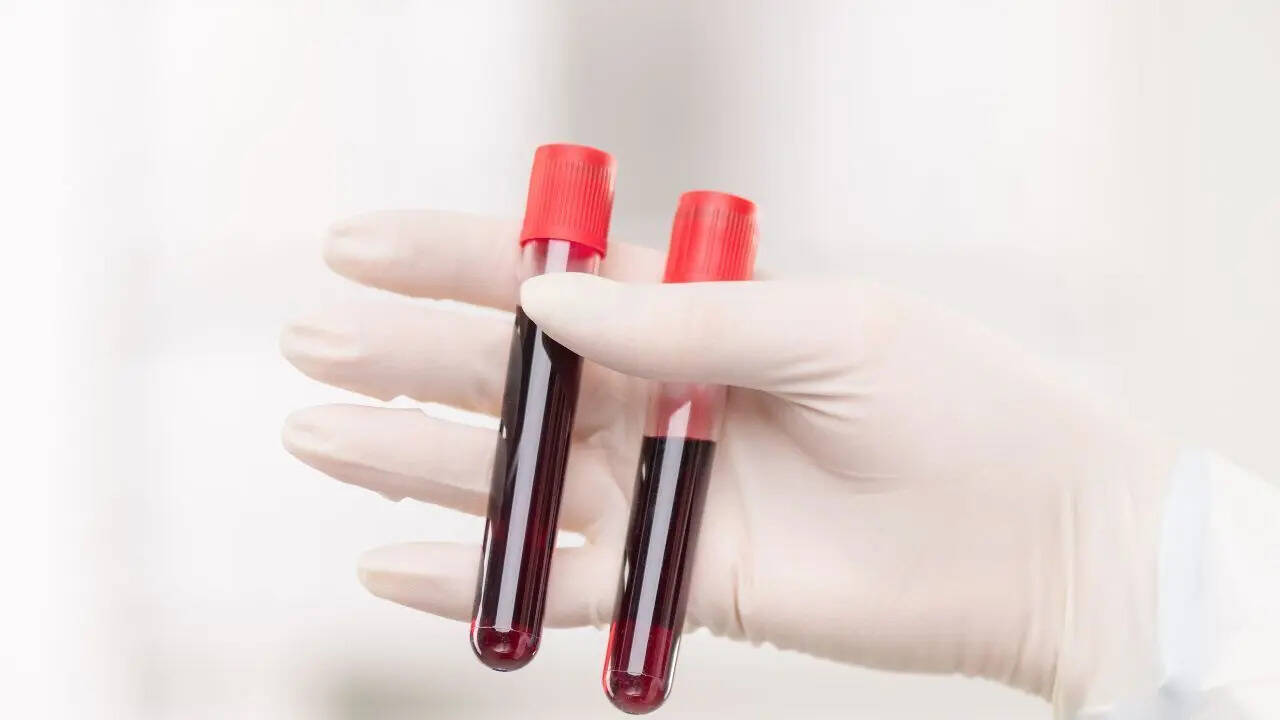
Check the adults. Most people born before 1957 are considered immune because they likely had the disease. But if you were born after that and aren't sure about your status, get a blood test (titer) to check your immunity. Many adults only received one dose of the vaccine decades ago and might need a booster.
Screen your circle. Be blunt. Ask friends, family, and babysitters if they’re up to date on their MMR. If they aren't, they shouldn't be around your infant during an outbreak. It's not being rude; it's being a parent.
Avoid high-risk areas. If your city is currently experiencing an outbreak, skip the indoor play gyms, crowded malls, or busy airports with your unvaccinated infant. The virus stays in the air. You don't have to touch someone to get sick.
Advocate for travel doses. If you have to travel internationally to a region where measles is common, talk to your pediatrician about getting that early 6-month dose. It’s an extra layer of defense that's worth the extra office visit.
What to Do If Exposure Happens
If you find out your baby was exposed to measles, time is everything. There’s a narrow window where doctors can intervene.
If caught within 72 hours of exposure, giving the MMR vaccine to an infant (if they’re over 6 months) might prevent the disease or make it much milder. Another option is Immune Globulin (IG), which is a shot of antibodies that can be given within six days of exposure. It’s not a permanent fix, but it can provide immediate, short-term protection to help the baby's body fight off the virus before it takes hold.
We have to stop treating these outbreaks as isolated incidents or "personal choices." When measles enters a community, the biology of the virus doesn't care about your philosophy. It looks for the unprotected. Right now, that means our youngest children. The best way to protect them is to make sure everyone else—siblings, parents, teachers, and neighbors—is fully vaccinated. Don't wait for an outbreak to check your records. Go to your local pharmacy or doctor and ensure your family's immunity is solid today.