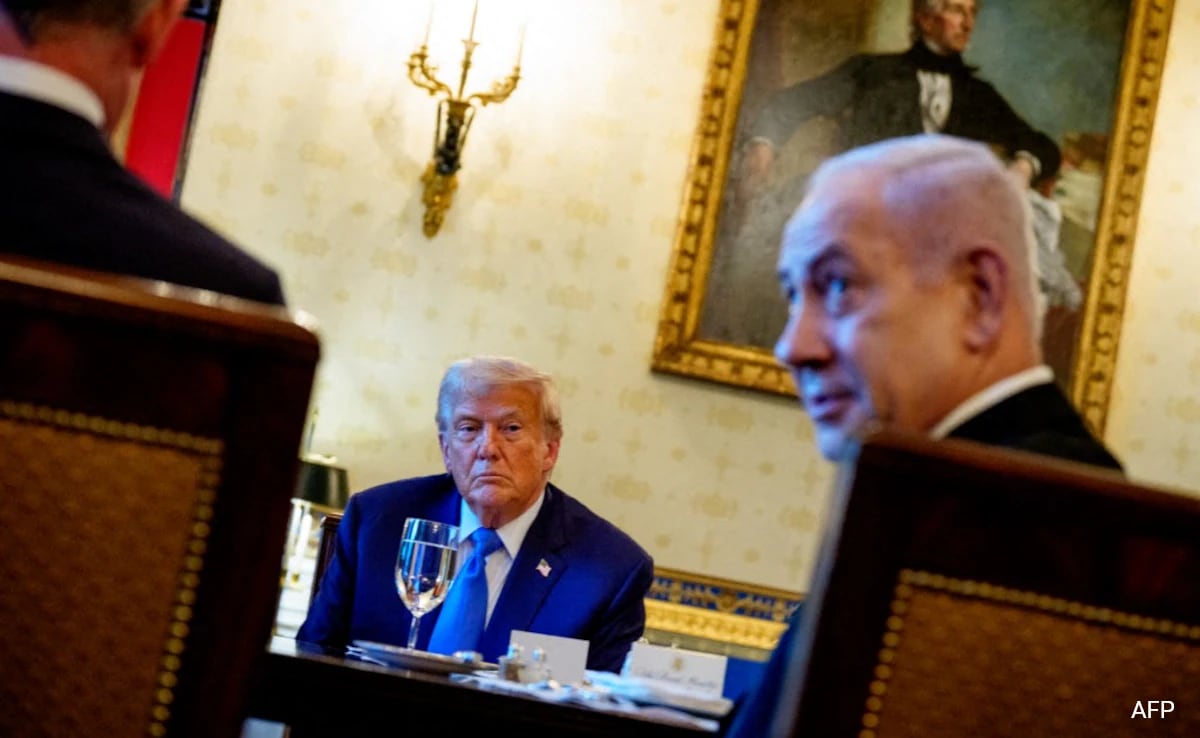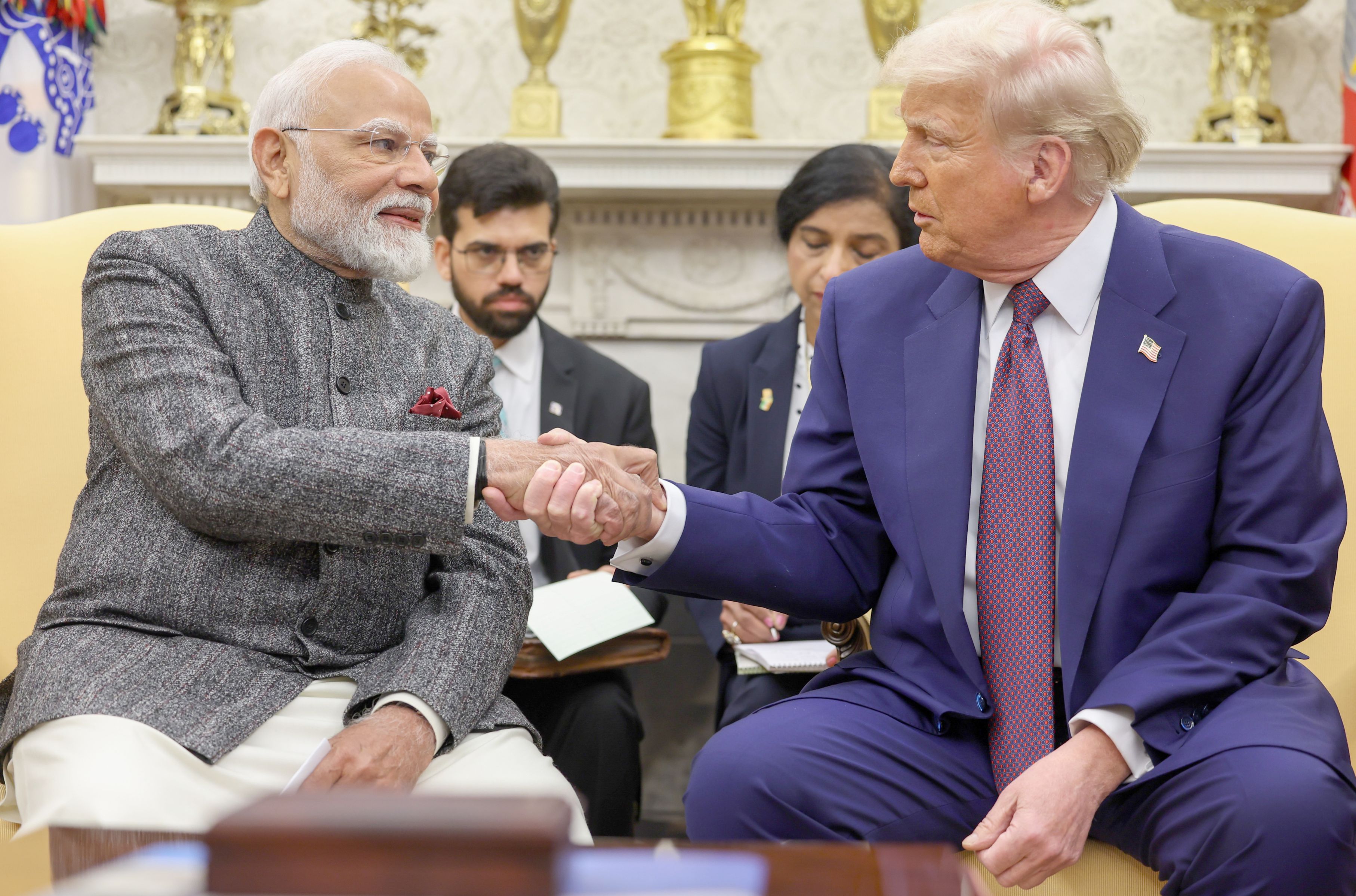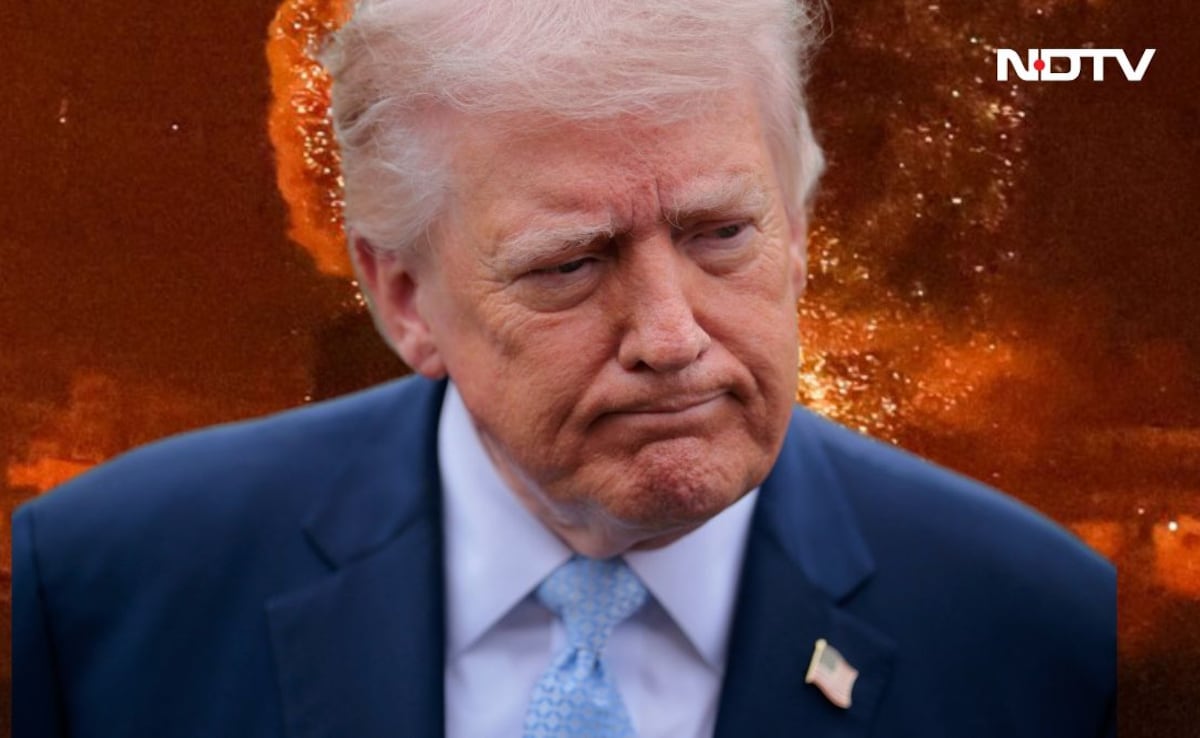
The ultimatum was vintage Donald Trump: a 48-hour clock, a threat to "obliterate" Iran’s power grid, and a demand to reopen the Strait of Hormuz. But as the Monday evening deadline passed without a single American Tomahawk missile hitting a turbine, the world witnessed a familiar pivot. The administration abruptly hit pause, claiming "constructive conversations" with Tehran, while Iranian officials simultaneously branded the talks "fake news."
This disconnect is not a simple case of diplomatic miscommunication. It is a calculated high-stakes gamble where both sides are using the threat of total regional collapse as their primary bargaining chip. The reality behind the stalled offensive is far more complex than the headlines suggest. While the White House signals a breakthrough to calm hysterical oil markets, the Islamic Revolutionary Guard Corps (IRGC) is digging in, betting that the global economy cannot survive the very "final deadline" Trump has imposed.
The Strategy of the Invisible Negotiator
On March 23, 2026, the global Brent crude price took a sharp 13% dive, dropping to $96 per barrel. This wasn't because of a peace treaty. It was a reaction to a Truth Social post. By announcing a five-day postponement of strikes, Trump effectively manipulated the only metric that truly threatens his domestic standing: the price of gas at the pump.
Behind the scenes, the "negotiations" are a ghost story. Mediators from Egypt, Turkey, and Pakistan have been frantically shuttling messages, but Tehran’s public stance remains one of total defiance. For the Iranian leadership, admitting to talks under the shadow of an ultimatum is political suicide, especially following the February 28 strikes that decapitated much of the regime's upper echelon.
The Iranian strategy is to weaponize this ambiguity. By denying the talks, they maintain their "revolutionary" credentials while secretly reviewing the American "points" delivered through backchannels. They know Trump is under immense pressure to show a win before the eight-month countdown to the midterm elections. If they can stretch the "deadline" into a series of rolling delays, they buy time to further mine the Strait of Hormuz and harden their remaining assets.
Why the Power Grid Threat Backfired
The threat to destroy Iran's electrical infrastructure was designed to be the ultimate leverage. The logic seemed sound: take out the lights, and the remaining civilian support for the regime would evaporate. However, military analysts have identified a massive flaw in this "Head for an Eye" doctrine.
Iran’s power grid is not a centralized target. It is a sprawling, decentralized network of thermal generation plants. To truly "obliterate" the system, the U.S. would need to strike hundreds of dispersed sites, a campaign that would likely result in thousands of civilian casualties. More importantly, the IRGC responded with a counter-threat that actually holds weight. They promised to target desalination plants across the Gulf.
- Regional Thirst: GCC nations like Saudi Arabia and the UAE rely on desalination for nearly 90% of their drinking water.
- Irreversible Damage: Unlike a power plant, which can be bypassed or repaired with enough parts, a destroyed desalination plant in a desert climate creates an immediate, existential humanitarian crisis.
- Economic Blowback: If the Gulf's water infrastructure is hit, the global energy market doesn't just see a price hike; it sees a total halt in production as workers flee and facilities shut down.
Tehran is effectively holding the entire region's water supply hostage. This asymmetric "deterrence" has forced the White House to reconsider. It is one thing to bomb a nuclear facility in the desert; it is quite another to trigger a water famine in allied nations that are already wavering on their support for the war.
The Midterm Election Shadow
Trump's "Epic Fury" campaign, launched in late February, was intended to be a swift, decisive blow. Instead, it has turned into a month-long grind that has killed over 4,000 people and sent global fuel shortages into the red zone. The American public, initially supportive of a "strong" stance, is now facing the reality of a war-driven recession.
The administration's shifting rhetoric—moving from "winding down" operations on Friday to "48-hour ultimatums" on Saturday—reflects a White House struggling to find an exit ramp that doesn't look like a retreat. The "final deadline" wasn't just for Iran; it was a deadline for Trump to regain control of the narrative before the U.S. economy fractures.
The IRGC is well aware of this timeline. They have observed the domestic pushback in the U.S. and believe they can outlast the American president’s patience. By targeting Diego Garcia with ballistic missiles—a strike that proved their reach extends 4,000 kilometers—they sent a clear message: the U.S. cannot protect its assets if this escalates into a total regional war.
A War of Choice and a Crisis of Credit
The most damning factor in this standoff is the lack of international consensus. Trump has branded NATO allies "cowards" for refusing to join the naval escorts in the Strait of Hormuz. But the refusal isn't based on cowardice; it's based on a lack of trust in the American strategy. European and Asian partners see a war that was initiated without a clear "day after" plan.
Shipping insurers have already begun pulling coverage for any vessel attempting to transit the Strait, regardless of American naval presence. The "deadline" failed because the U.S. could not provide the one thing the market needed: certainty. Even if the U.S. successfully bombs every Iranian naval vessel, the threat of sea mines—at least a dozen of which are already confirmed in the waterway—makes the Strait a no-go zone for commercial traffic.
The five-day pause currently in effect is a stay of execution, not a pardon. Both sides are trapped in a cycle where de-escalation is viewed as weakness, and escalation carries the risk of global economic depression. As the new deadline approaches, the question isn't whether Iran will blink, but whether the White House can afford to keep the lights on—both in Tehran and at home.
The conflict has moved beyond the nuclear silos and into the very pipes and wires that sustain modern life in the Middle East. If the next deadline expires without a deal, the resulting "obliteration" will not be confined to Iranian soil. It will ripple through every gas station in America and every faucet in the Gulf, proving that in this war, the "final deadline" is a cliff that nobody is truly prepared to jump over.
Would you like me to analyze the specific economic impact of the Strait of Hormuz closure on Asian energy markets?