The U.S. State Department’s latest travel advisory update is less of a guidebook and more of a global warning siren. Following the escalation of combat operations in Iran this March, the "Level 4: Do Not Travel" list has expanded to include a staggering block of the Middle East, signaling a collapse of traditional security corridors. For American citizens, the message is blunt: the era of predictable international transit is over. If you are currently in Iraq, Iran, or Lebanon, the government isn't just suggesting you leave—it is telling you that the window for a safe exit is physically closing as regional airspaces shutter.
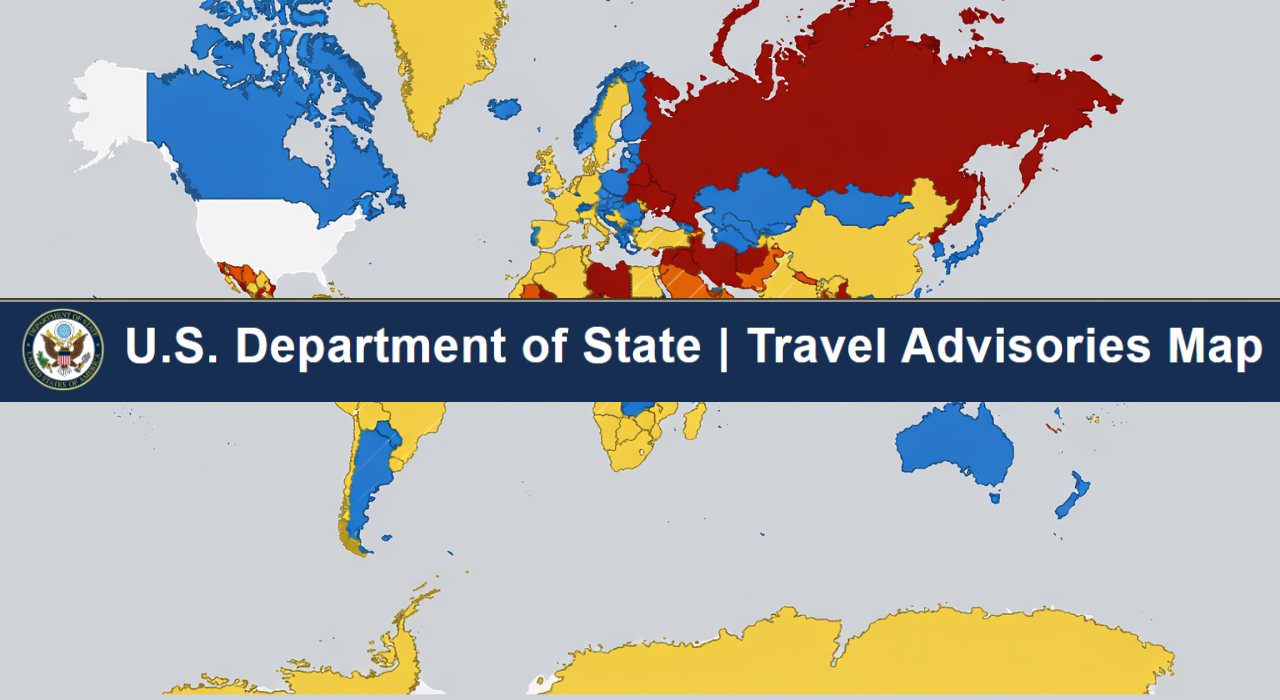
This isn't merely about avoiding active war zones. The 2026 "Red Map" reflects a fundamental shift in how the State Department views global risk. For decades, travel advisories were largely static, updated only after major coups or natural disasters. Today, they are reactive, digital-first tools that track "wrongful detention" and "state-sponsored kidnapping" with the same urgency as kinetic warfare.
The Middle East Blackout
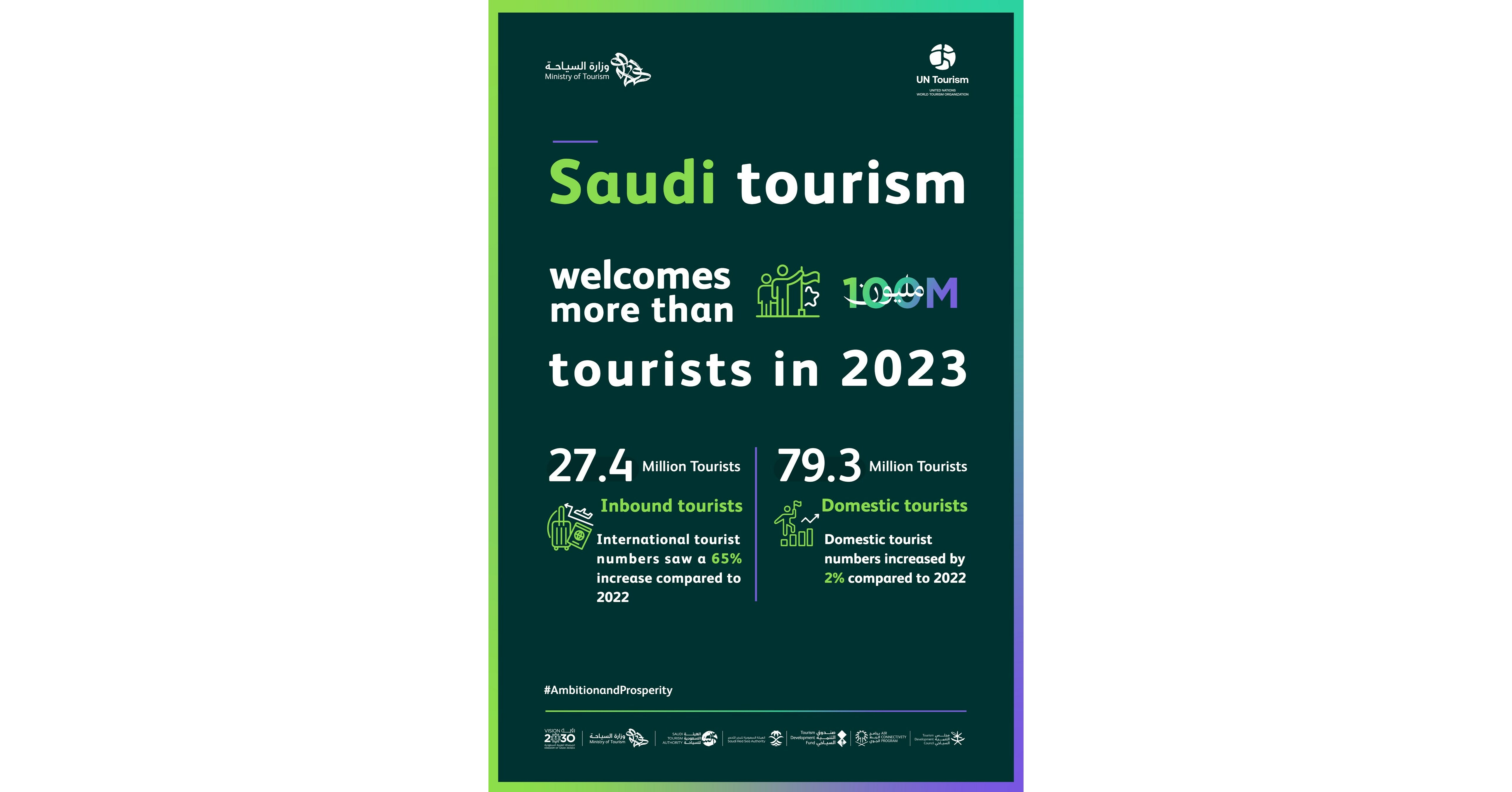
The most immediate impact of the Iran conflict is the functional disappearance of the "Level 2" safety net in the Gulf. In a sweeping move this week, the State Department elevated Saudi Arabia, Oman, and Kuwait to Level 3 (Reconsider Travel). These were once the "safe harbors" of the region.
The logic behind the downgrade is logistical as much as it is tactical. When Iran-aligned militias began targeting energy infrastructure and commercial airports, the reliability of these hubs evaporated.
- Iraq and Iran: Both are under strict Level 4 mandates. In Iraq, the U.S. Embassy in Baghdad has moved to "ordered departure" status.
- The Airspace Trap: Major transit points like Dubai (DXB) and Doha (DOH) have seen temporary ground stops. If you are transiting these hubs, you risk being stranded in a country that could be reclassified as a "Do Not Travel" zone while you are sitting in the terminal.
- The Fuel Factor: Military operations have triggered regional fuel supply shortages. Even in "safe" countries like Jordan, local transport and flight schedules are becoming erratic.
Beyond the Conflict Zone
The "Most Dangerous" list for 2026 contains the usual suspects—Afghanistan, Syria, and North Korea—but the fine print has changed. The threat is no longer just "terrorism" in the 2000s sense of the word. It is now defined by "Wrongful Detention (D)".
Russia and Belarus remain at Level 4, not just because of the war in Ukraine, but because the State Department has identified a pattern of American citizens being used as political leverage. In North Korea, the advisory still carries the grim suggestion to "draft a will" before attempting entry. These designations represent a "no-man's-land" where the U.S. government admits it has "extremely limited ability" to assist its citizens.
The New Risk Indicators
The State Department has introduced more granular risk indicators that every traveler must decode. Understanding these acronyms is the difference between a ruined vacation and a life-threatening situation.
- D (Wrongful Detention): This is the newest and most critical marker. It indicates that the local government may arrest you specifically because of your U.S. citizenship to use you as a bargaining chip. This is currently flagged in Iran, Russia, and Burma.
- K (Kidnapping): Predominant in parts of Mexico, Haiti, and many Central African nations. In Haiti, the state of emergency has essentially handed control of transit routes to armed gangs.
- U (Civil Unrest): This is appearing in unexpected places. Even "Level 2" countries in Europe have seen this indicator rise due to spillover protests related to the Middle East conflict.
The Illusion of Consular Safety
A common misconception among American travelers is that a U.S. Embassy is a fortress of last resort. The reality in 2026 is far colder. In "Level 4" countries like Afghanistan, Yemen, and now large swaths of the Middle East, there is no physical U.S. diplomatic presence.
If you get into trouble in Tehran, your only point of contact is the "Virtual Embassy" or the Swiss government, which acts as the "Protecting Power." They cannot pull you out of a jail cell, and they cannot fly you home if the airports are bombed. You are, quite literally, on your own.
The State Department’s Smart Traveler Enrollment Program (STEP) is often touted as a safety net, but in a rapid-escalation scenario, it serves more as a way for the government to track how many bodies they might need to account for. It does not guarantee an evacuation.
The Tactical Reality of 2026
The current list of 20+ "Do Not Travel" nations reflects a world where borders are hardening. In Colombia, while the country as a whole remains at a lower level, specific departments like Arauca and the Venezuela border are Level 4 zones. This "pocketed" danger requires travelers to look past the country-level rating and investigate specific provinces.
The conflict in Iran has proven that the "Worldwide Caution" issued on March 22 isn't boilerplate legalese. It is a recognition that "Iran-aligned groups" may target Americans in third-party countries that were previously considered safe.
If you are holding a U.S. passport, the target on your back has never been larger. The "Red Map" isn't a suggestion; it's a reflection of a world where the protection of the American flag no longer reaches past the departure gate. If you choose to ignore the Level 4 warning, you aren't just taking a risk—you are opting out of the social contract of state protection.
Prepare a will. Leave your electronics behind. Or, more simply: stay home.
Would you like me to analyze the specific entry and exit requirements for any of the Level 3 countries currently on the borderline?