The coffee hadn't even finished brewing when the air in Tel Aviv curdled. It is a sound that doesn’t just hit your ears; it vibrates in your marrow. The siren starts as a low moan and climbs into a frantic, mechanical shriek. In that heartbeat of a second, the mundane reality of a Sunday morning—scrolling through emails, looking for a matching sock, wondering if the milk is still good—evaporates.
The city holds its breath.
You don't run because you want to. You run because your DNA remembers the sound. Thousands of people, from high-rise tech offices to the sun-bleached stalls of the Carmel Market, moved as one toward the nearest reinforced concrete. For some, it was a designated shelter. For others, a stairwell. For a young father I saw on the street, it was simply the pavement, his body arched like a shield over a stroller.
Then, the sky cracked.
A Two-Thousand Kilometer Trajectory
While the world reads a headline about a "missile claim," the reality on the ground is a calculation of physics and terror. This wasn't a localized skirmish. This was a hypersonic ballistic missile, fired from the rugged highlands of Yemen, crossing approximately 2,000 kilometers of desert and sea to find a target in the heart of Israel.
The Houthis, officially known as Ansar Allah, aren't just a ragtag militia in sandals anymore. They are an expeditionary force with an arsenal that defies their geography. By claiming responsibility for this specific strike, they aren't just attacking a city; they are announcing a new era of reachable distance.
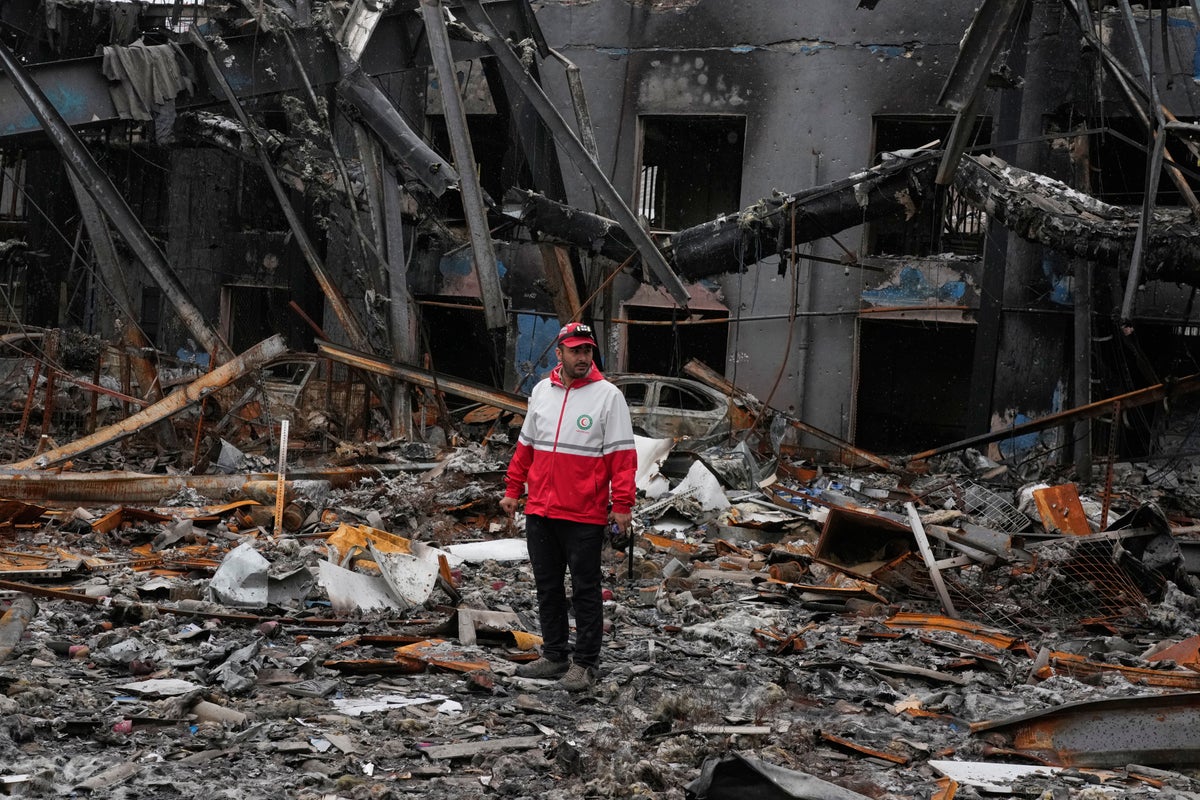
The technical specs matter, but only because of what they do to the human psyche. When a missile travels at those speeds, the reaction window narrows to a sliver. The Arrow defense system and the Iron Dome are masterpieces of engineering, but they are also the only things standing between a normal Sunday and a catastrophe of charred glass and grief. This time, the interceptors met the threat in the upper atmosphere. Debris rained down near a railway station in Modin. No direct hits on people, this time. Only the jagged remnants of metal and the smell of ozone.
The Invisible Strings of the Region
To understand why a rebel group in Yemen is obsessed with a city two thousand miles away, you have to look past the smoke.
Imagine a grand chessboard where the players are hidden behind heavy velvet curtains. The Houthis are widely recognized as a primary limb of Iran’s "Axis of Resistance." This isn't a secret. It’s a strategy. By providing the long-range technology and the logistical backbone, Tehran creates a reality where Israel can be pressured from the north by Hezbollah, the south by Hamas, and now, the distant southeast by the Houthis.
It is a claustrophobic feeling.
For the person living in Tel Aviv, the geography of the Middle East has effectively shrunk. The Red Sea, once a distant vacation thought or a shipping lane for Toyotas and grain, is now a launchpad. The Houthis have spent months harassing global shipping, turning the Bab el-Mandeb Strait into a gauntlet. But this strike represents a pivot. It’s an attempt to prove that they can bypass regional defenses—including those of neighboring Arab states—to strike the "Zionist enemy" directly.
The Cost of the Siren
We often talk about "successful interceptions" as if they are a zero-sum game. The missile was destroyed; therefore, everything is fine.
It isn't fine.
There is a cumulative trauma to a society that lives by the bell. When the siren goes off, the economic engine of a nation grinds to a halt. Parents look at their children and wonder how many more times they will have to explain why they are hiding in a windowless room. The elderly, those who remember the wars of '67 or '73, feel the ghosts of the past reaching into the present.
The Houthis know this. They aren't just aiming for buildings; they are aiming for the sense of normalcy. Every siren is a withdrawal from the bank of public confidence.
In Sana’a, the Houthi capital, the narrative is flipped. To their supporters, these launches are David’s sling against a Goliath they blame for the suffering in Gaza. The rhetoric is thick with religious fervor and revolutionary zeal. They see themselves as the only ones truly "acting" while the rest of the Arab world watches. This creates a dangerous feedback loop. Success—or even a high-profile "near miss"—bolsters their recruitment and cements their status as a major regional player.
The Shadow of the Next Move
The Israeli response is rarely a matter of if, but how.
When the Houthis struck Tel Aviv with a drone back in July, the Israeli Air Force flew 1,700 miles to strike the port of Hodeidah in Yemen. It was a massive, fiery display of "we can reach you too." But the cycle didn't break. It tightened.
Now, the Israeli cabinet finds itself in a familiar, agonizing position. To ignore the missile is to invite another. To retaliate with overwhelming force risks widening a fire that is already licking at the borders of Lebanon and the West Bank. The regional tension is a taut wire, and the Houthis are dancing on it with heavy boots.
What does this mean for the person sitting in that Tel Aviv cafe?
It means the "latest update" is never just an update. It is a reminder that the world is smaller than we want it to be. The missile didn't hit a house, but it hit the collective peace of mind. As the all-clear signal finally echoed through the streets, people emerged from the shelters. They brushed the dust off their clothes. They went back to their coffee.
But they kept one eye on the sky.
The sky remained blue, indifferent, and vast. But it no longer felt empty. It felt heavy with the weight of two thousand kilometers of intent, a silent highway where the next shadow is already being mapped out in a desert far away, waiting for the next siren to scream.