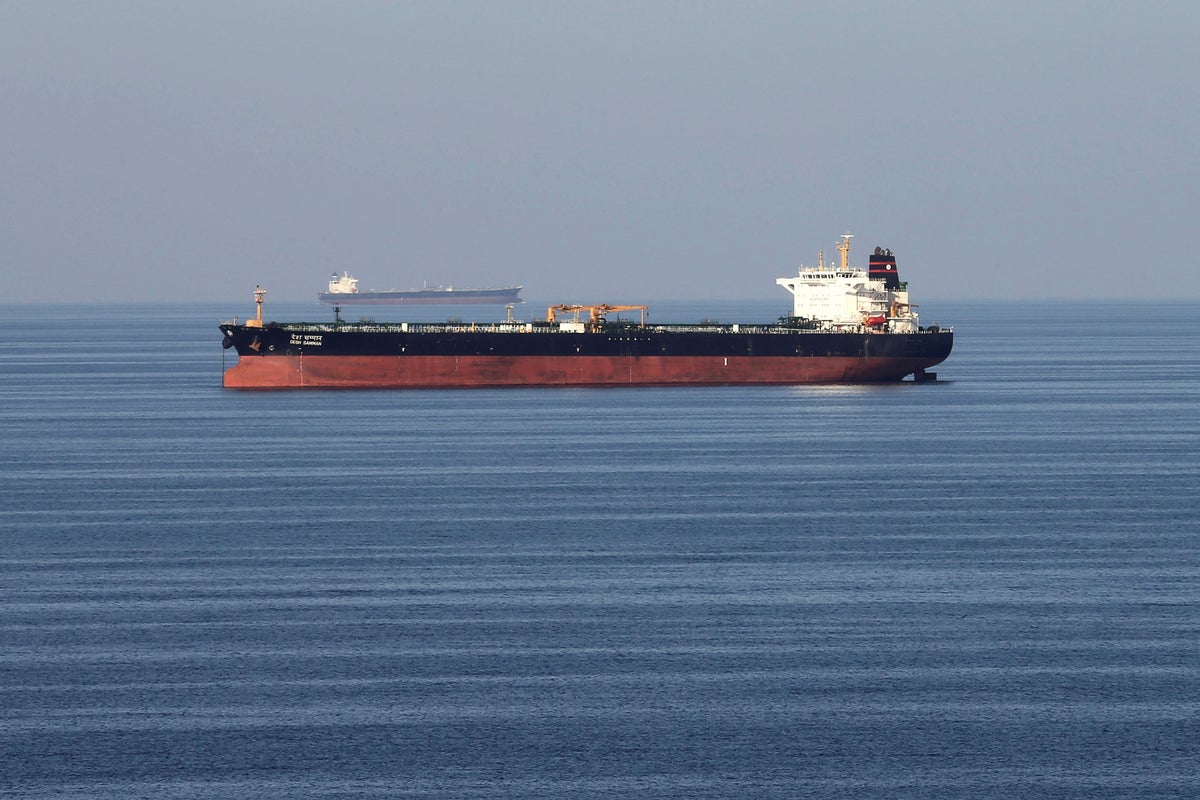
The arithmetic of Indian energy security changed at 4:00 AM on February 28, 2026, when the first joint U.S.-Israeli strikes hit Iranian soil. As the Strait of Hormuz effectively shuttered under a cloud of missile fire and insurance cancellations, New Delhi found itself staring at a 2.5 million barrel-per-day hole in its supply chain. Within 72 hours, the Kremlin moved to fill it. Russia has now positioned 9.5 million barrels of crude in a "floating bridge" near Indian waters, ready to discharge at a moment's notice.
This is not merely a tactical diversion of tankers; it is the final collapse of Washington’s attempt to dictate India’s energy menu. Just weeks ago, the Trump administration celebrated a "historic" trade deal, claiming New Delhi had agreed to phase out Russian oil in exchange for tariff relief. The reality on the ground—or rather, on the water—paints a different picture. India is currently absorbing Russian barrels at a rate that could soon account for 40% of its total imports, up from 30% in February. For a country that holds only a 25-day buffer of crude in its strategic reserves, the choice was never between Moscow and Washington. It was between keeping the lights on and watching the economy stall. For a closer look into this area, we suggest: this related article.
The Myth of the American Veto
The diplomatic friction between New Delhi and Washington has reached a boiling point. The U.S. narrative that India would "stop buying Russian oil" was always a fragile piece of political theater. In the harsh light of the Iran conflict, that theater has been dismantled. Indian refineries, particularly the massive Jamnagar complex, had briefly scaled back Russian intake in January to roughly 1.1 million barrels per day—the lowest level since late 2022—to appease U.S. Treasury officials. That caution has evaporated.
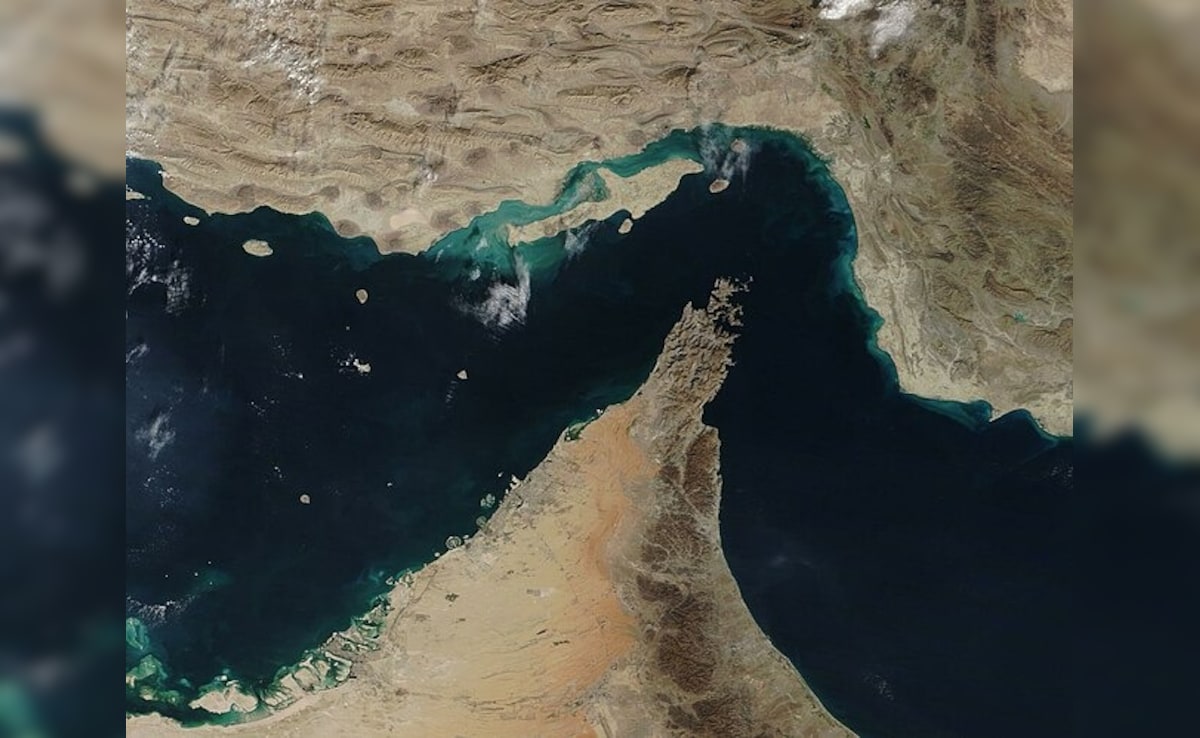
The closure of the Strait of Hormuz, which handles nearly half of India’s crude and 90% of its LPG, left the Ministry of Petroleum and Natural Gas with no viable alternative. While the U.S. Navy offers "escorts" for tankers, maritime insurers have already pulled the plug. Major firms like Norway’s Gard and the UK’s NorthStandard have canceled war risk cover for the Gulf. Without insurance, a tanker is little more than a multi-million-dollar liability. Russian "shadow" fleets, operating under sovereign guarantees and outside the Western insurance architecture, are the only vessels currently willing to brave the logistical chaos of a regional war. For additional background on this issue, extensive reporting is available at Financial Times.
The Sellers' Market Shift
For two years, India enjoyed a "peace dividend" on Russian oil, buying Urals at steep discounts below the G7 price cap. That era is over. As Middle Eastern supply lines choke, the discount on Russian crude is narrowing rapidly. Moscow knows India is desperate. With Qatar stopping LNG production after strikes on its Ras Laffan facilities, Russia is also moving to replace lost Qatari gas flows.
This shift represents a fundamental restructuring of global trade. India is no longer just a passive buyer; it is the anchor of a new Eastern energy corridor that bypasses Western financial systems. The "petrodollar" and the "price cap" were designed for a world where Middle Eastern stability was a given. In a 2026 where the Gulf is a combat zone, those tools are obsolete.
Strategic Reserves and the 10-Day Clock
The Indian government has established a 24/7 control room to monitor stock levels, but the math is unforgiving. Domestic strategic petroleum reserves (SPR) provide approximately 18 days of coverage. Commercial inventories add another week. If the disruption in the Strait of Hormuz persists beyond 15 days, New Delhi will be forced to implement demand management protocols—a polite term for fuel rationing.
The urgency of the Russian "diversion" becomes clear when looking at the refined product side. India exports a significant portion of its diesel and gasoline. To protect the domestic market, the government is prepared to hit the "break glass" option: redirecting export-bound fuels back into the local grid. However, this creates a secondary shock for European markets that rely on Indian refined products to replace their own banned Russian barrels. It is a circular crisis where every solution in one region creates a shortage in another.
Mission Samudra Manthan
The long-term play for New Delhi is a frantic dash toward "Mission Samudra Manthan," a national deepwater exploration drive aimed at increasing domestic production. The goal is to triple the number of exploratory wells to 100 per year by 2027. But rigs don't strike oil overnight. For the remainder of the 2020s, India’s fate is tied to the reliability of the sea lanes.
The current crisis has exposed the hollowness of "energy diversification" when the alternatives are equally volatile. The U.S. might be a major producer, but it cannot bridge the 12,000-mile gap to India fast enough to replace 2.5 million barrels a day of lost Gulf supply. Russia, with its existing fleet and willingness to ignore Western sanctions, is the only player with the physical capacity to act as a global swing producer.
The geopolitical consequence is a hardened, transactional alliance between Moscow and New Delhi that ignores the moralizing of the West. India's Petroleum Minister, Hardeep Singh Puri, has consistently stated that the "trilemma" of availability, affordability, and sustainability guides his policy. In practice, availability has become the only metric that matters.
As the smoke hangs over the Gulf, the 9.5 million barrels of Russian oil sitting off the Indian coast are more than just a cargo. They are the most visible evidence yet that the era of Western-led energy hegemony has ended. India will not stop buying Russian oil because it cannot afford the alternative: a total collapse of its industrial growth story. The shift is permanent, and the price of oil is no longer just a number on a screen in New York—it is a reflection of who has the ships, who has the insurance, and who has the nerve to sail.