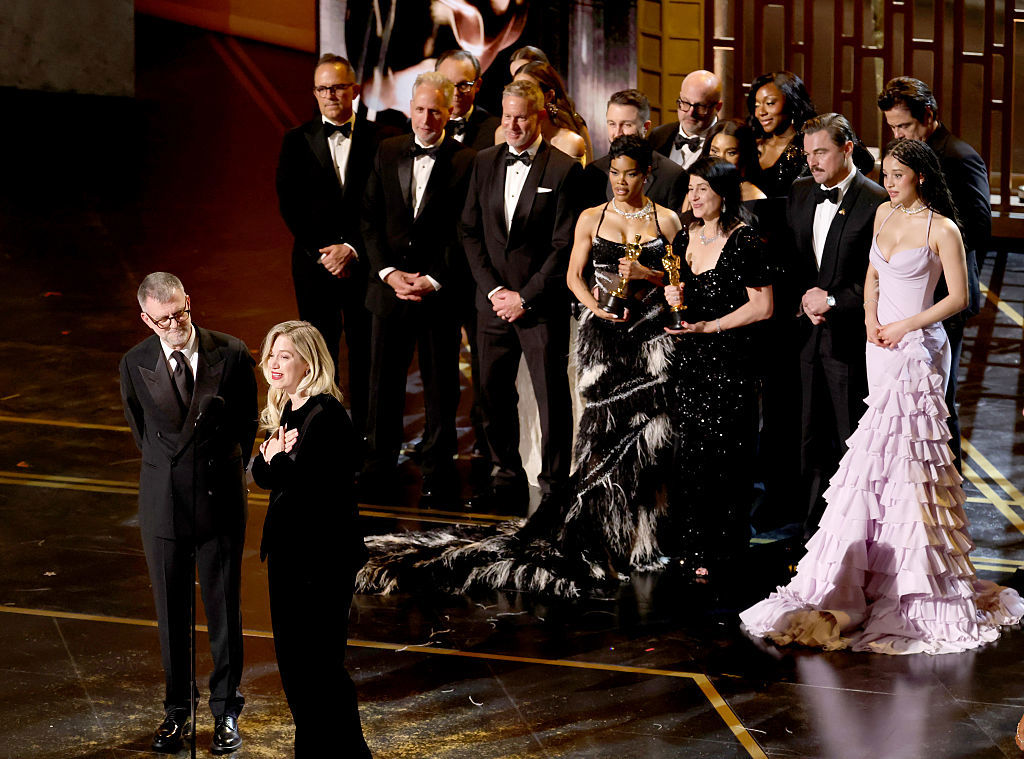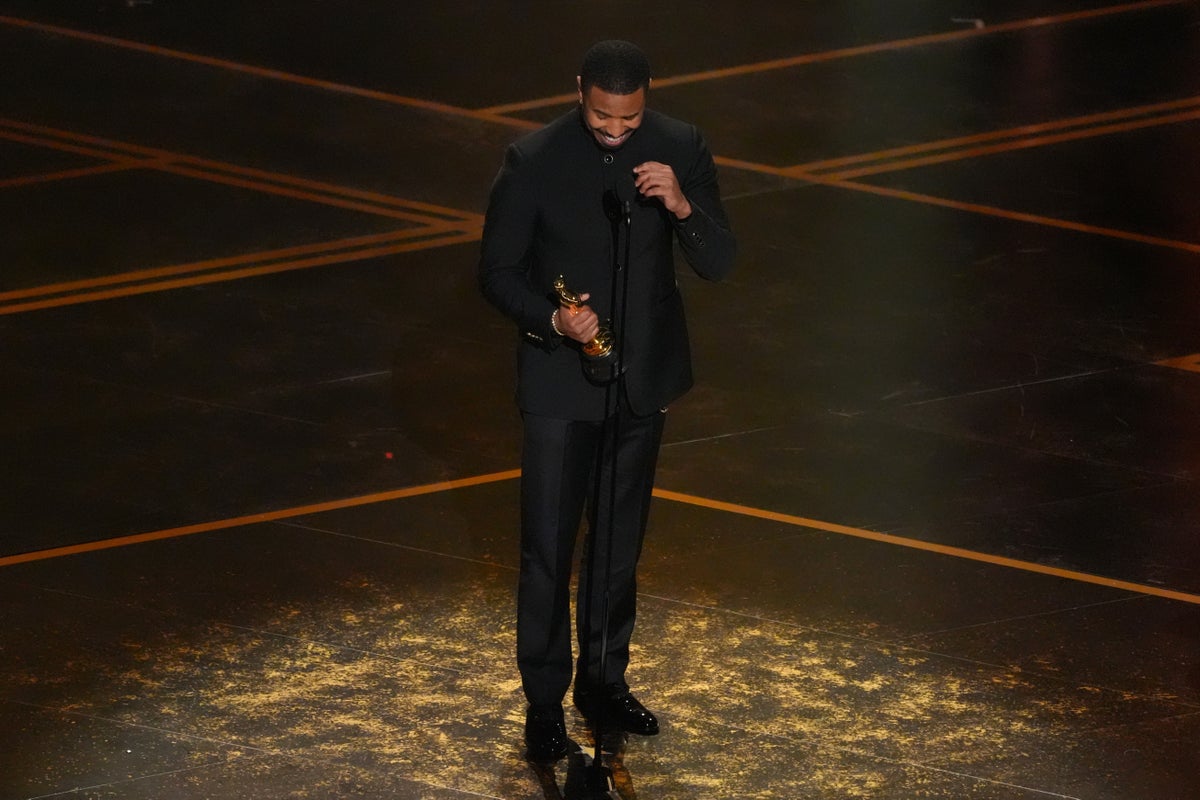
The gold statuettes are already tucked into velvet-lined cases or being clutched by frantic publicists in the back of black SUVs. The Dolby Theatre is empty, smelling of expensive floral arrangements and the lingering anxiety of three hours of live television. Most of the world thinks the Oscars are over. They are wrong.
For the elite few who shape the cultural zeitgeist, the real performance is just beginning. It happens in the transition. It is the moment a Best Actress nominee sheds forty pounds of hand-stitched silk and boning to step into something that allows her to breathe, yet somehow requires her to work twice as hard. This is the afterparty circuit—a gauntlet of flashbulbs where the stakes aren't about who won a trophy, but who owns the morning headlines.
There is a specific vibration in the air at the Vanity Fair bash. It’s the sound of a thousand conversations competing with the rhythmic thwack-zip of photographers’ shutters. Here, the fashion isn't about tradition or the "prestige" of the Academy. It is about the pivot.
The Architecture of the Pivot
Consider the hypothetical journey of a rising star we will call Elena. Three hours ago, she was the picture of classical Hollywood restraint. She wore a gown that suggested she spent her weekends reading Tolstoy by a fireplace. It was safe. It was "Awards Season."
But the afterparty is where the mask slips—or rather, is replaced by a more daring one. Elena slides into a sheer, architectural piece that defies physics. It is a calculated risk. If the red carpet was her resume, the afterparty is her manifesto. She isn't just an actress anymore; she is a brand, a silhouette, a lightning rod for "the look."
The shift from the main stage to the afterparty creates a fascinating paradox. We see the same faces, but the energy has curdled into something sharper and more desperate. The red carpet is a celebration of achievement. The afterparty is a battlefield of relevance.
The Silent Language of the Slit and the Sequin
We often dismiss these galleries as "best dressed" lists, a superficial tally of who wore what. That perspective misses the silent negotiations happening in every frame. When a veteran star shows up in a vintage piece from the 1996 archives, she isn't just recycling. She is signaling longevity. She is telling the room, and the millions watching through their phone screens, that she has been here before and she will be here after the current crop of ingenues has faded into trivia questions.
Then there are the "disruptors." These are the artists who trade the expected tuxedo for something fluid, something that challenges the very idea of what a man or woman should look like at a party. They aren't just wearing clothes; they are testing the boundaries of the public's comfort zone.
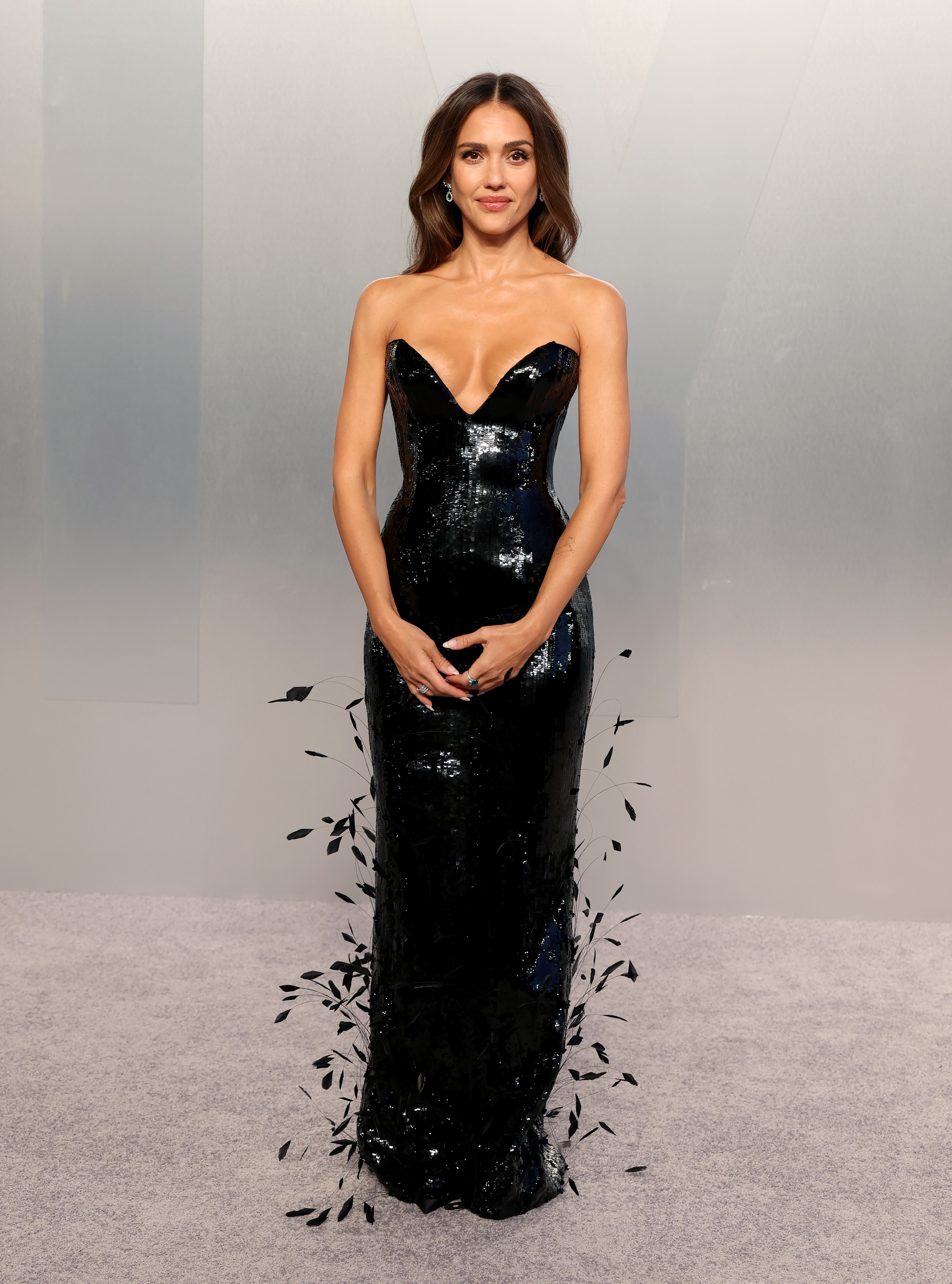
Every sequin is a data point. Every plunging neckline is a bid for a magazine cover. In the age of the viral moment, a dress isn't just an outfit; it’s an algorithm-friendly asset. The "best looks" are rarely the most beautiful ones. They are the ones that demand you stop scrolling. They are the ones that force a reaction, even if that reaction is confusion.
The Invisible Toll of the Afterglow
There is a physical reality to these photos that the high-resolution lenses often mask. By 2:00 AM, the adrenaline that fueled the three-hour ceremony has evaporated. The smile that looks radiant in the "Arrivals" gallery is often held in place by sheer willpower and the knowledge that a single slouching frame will be dissected by millions.
The shoes are the first thing to betray them. Even the most seasoned icons eventually feel the bite of a five-inch heel against a marble floor. But you will never see them flinch. To show fatigue is to show vulnerability, and in the shark tank of post-Oscar celebrations, vulnerability is a scent that attracts the wrong kind of attention.
The "looks" we celebrate are actually feats of endurance. We are looking at athletes of aesthetics. They have spent months dieting, weeks in fittings, and hours in the "glam chair" just to spend forty-five minutes walking through a room, sipping a drink they won't finish, and making sure their "good side" is always facing the lens.
Why We Can’t Look Away
It is easy to be cynical about the excess. It is easy to point at the diamonds and the sheer fabrics and call it vanity. But there is a deeper human impulse at play here. We watch these transitions because we are obsessed with the idea of transformation.
We want to see the "serious" actor let their hair down. We want to see the underdog who lost the award "win" the night by wearing something so spectacular that the winner’s speech becomes a footnote. We are looking for the human being beneath the heavy embroidery.
Ironically, the more "relaxed" these afterparty looks become, the more manufactured they actually are. The "effortless" slip dress took six people to steam and a specialized kit of adhesive tapes to secure. The "tousled" hair was sculpted with mathematical precision.
The real story of the night isn't found in the list of winners. It’s found in that strange, liminal space between the ceremony and the sunrise. It’s in the way a dress catches the light as a star walks away from the cameras, heading toward a car that will take them back to a reality that—for one night—they managed to transcend.
The flashbulbs eventually stop. The dresses are returned to the designers. The makeup is scrubbed away. But the images remain, frozen in time, serving as the only evidence of a night where everyone was performing, even after the curtain had officially fallen.
The sun begins to hit the Hollywood Hills, turning the smog into a hazy gold that mimics the color of the trophies. The parties are winding down. The "best looks" have been logged and uploaded. In the quiet of the morning, the only thing left is the image—a carefully constructed ghost of a night that felt like it would never end, until it did.